The claims
Each entry pairs a reported miracle with the documentary record and a tier rating, Gold standard through Disproven, showing how strongly the evidence resists a natural explanation.
Full A–Z index (all 250 claims)
- A Holocaust Survivor's Menorah, Pulled Whole From the Ashes of the Eaton Fire
- A Lung Lymphoma That Vanished After Only a Biopsy (2025)
- A Quran Found Untouched After a North Carolina Condo Fire
- A Soldier's Dog Tag, Returned After 82 Years in the Forest Mud
- Adriano Assis — The Wrong Counter and VoePass Flight 2283 (2024)
- Agam Berger — The Siddur a Captor Brought in Gaza (2023–2025)
- Alice Couteault: Multiple Sclerosis Remission at Lourdes Baths
- Amanda Paola: Unborn Baby Survives Against All Odds — Paul VI's Canonization Miracle
- Angela of Foligno — Medieval Mystic, Questionable Preservation Claim
- Anita Moorjani — The Coma, the Chemotherapy, and the Recovery (2006)
- Ann O'Neill — Acute Lymphocytic Leukemia Remission (1952)
- Anna Bågenholm: Survival from Extreme Accidental Hypothermia
- Annabel Beam — The Fall Into the Hollow Tree (2011)
- Antonietta Raco: Primary Lateral Sclerosis Healed — The 72nd Recognized Miracle
- Antonis Mavropoulos — Two Minutes Late for Flight ET302 (2019)
- Audrey Santo's Weeping Oil: Laboratory Analysis Identifies Corn, Soybean, and Animal Fat
- Augustine's Catalogue of Miracles in City of God, Book 22
- Baby Aya — Born Beneath the Rubble of Jindires (2023)
- Baby KJ — a CRISPR Therapy Built in Six Months for One Baby (2025)
- Baby Lily Groesbeck — The 'Help Me' Voice at the Spanish Fork River (2015)
- Bageshwar Dham's 'Divya Darbar': Naming Strangers' Secret Troubles
- Bahia Bakari — Sole Survivor of Yemenia Flight 626 (2009)
- Barbara Cummiskey Snyder — Multiple Sclerosis Remission (1981)
- Bede's Account of the Miracles of St. Cuthbert
- Bella Montoya — The Knock from the Coffin at Babahoyo (2023)
- Benny Hinn: HBO and NBC Dateline Investigations Find No Verified Healings
- Bishop Climate Wiseman's 'Plague Protection Kit'
- Blessed Imelda Lambertini — The Child Who Died at First Communion
- Boden Allen and Buford — A Ranch Dog Walks a Toddler Home (2025)
- Buddhist Sarira: Crystal Relics from Cremated Masters
- Candela Giarda: Catastrophic Childhood Encephalopathy Resolved — John Paul I's Miracle
- Carolina Wilga — Twelve Days Lost in the Western Australian Outback (2025)
- Catherine Labouré — Blue Eyes After 57 Years
- Cecilia Maribel Flores: HELLP Syndrome Recovery — Oscar Romero's Canonization Miracle
- Chain 357 — One Stranger's Kidney Became 35 Transplants (2015)
- Charbel Makhlouf — The Fluid-Exuding Monk of Lebanon
- Chris Dempsey and Heather Krueger — The Overheard Conversation and the Liver (2015)
- Chris Gunderson — 16 Years of Feeding-Tube Dependence Resolved After Prayer (2011)
- Chris Trokey and Michael Shannon — The Premature Baby Who Cut the Doctor Free (2011)
- Consiglia De Martino: Ruptured Thoracic Duct Heals Before Surgery
- Daniel Ekechukwu: Claimed Resurrection at a Reinhard Bonnke Crusade, Nigeria 2001
- David Bennett — The First Pig Heart in a Human (2022)
- Deacon Jack Sullivan: Debilitating Spinal Stenosis Resolved After Newman Prayer
- Delia Knox — Claimed Walking Recovery After 22 Years of Paralysis (2010)
- Delizia Cirolli: Ewing's Sarcoma Vanishes Months After Lourdes Visit
- DUDE 44 — The Two Airmen Pulled Out of Iran (2026)
- Dybbuk Possession in Jewish Tradition
- Eben Alexander: A Neurosurgeon's 'Proof of Heaven'
- Edeltraud Fulda: Addison's Disease Cured at Lourdes
- Elisa Aloi: Ten Years of Bone Tuberculosis Healed at Lourdes
- Eucharistic Miracle of Bolsena-Orvieto (1263)
- Eucharistic Miracle of Buenos Aires (1996)
- Eucharistic Miracle of Legnica, Poland (2013)
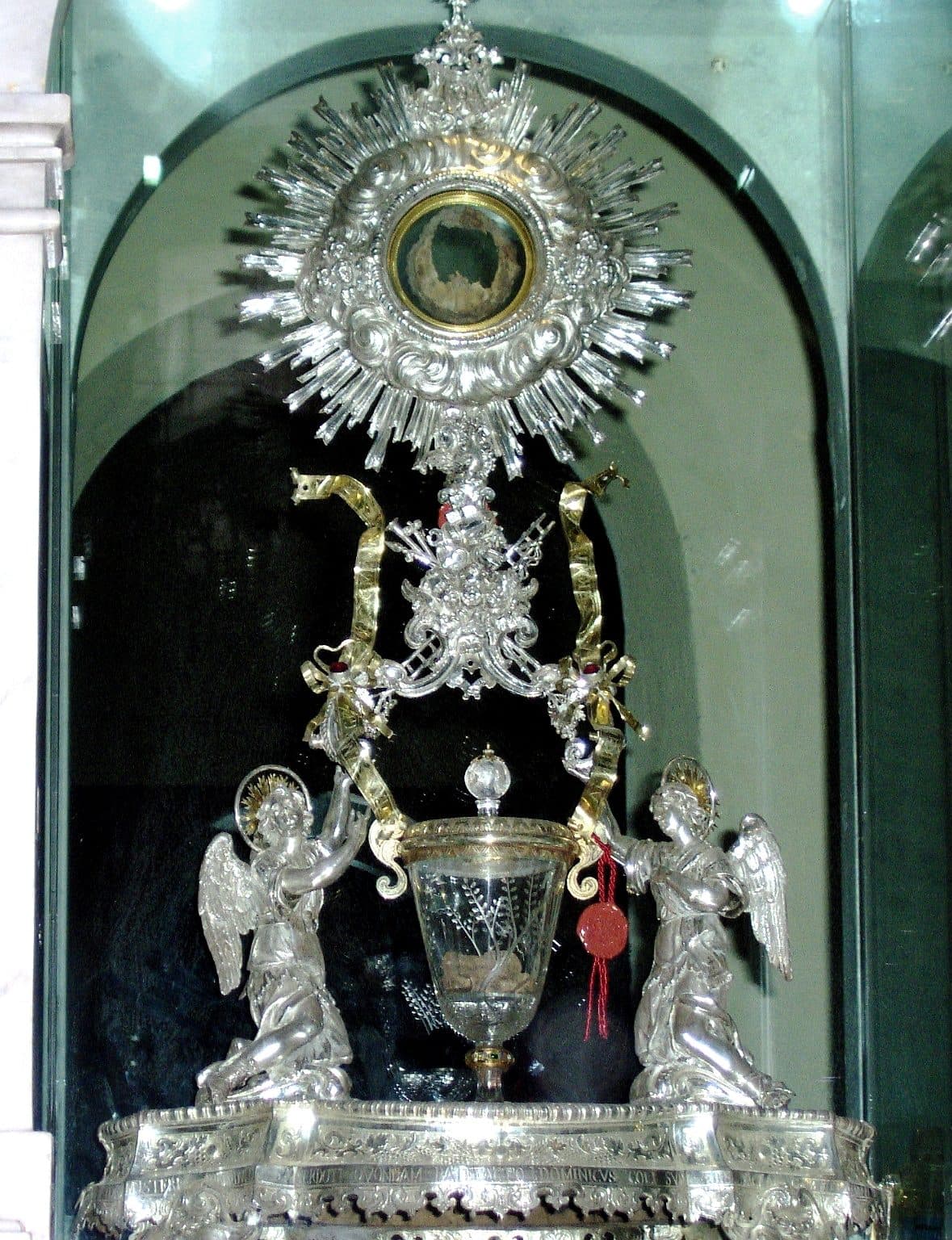
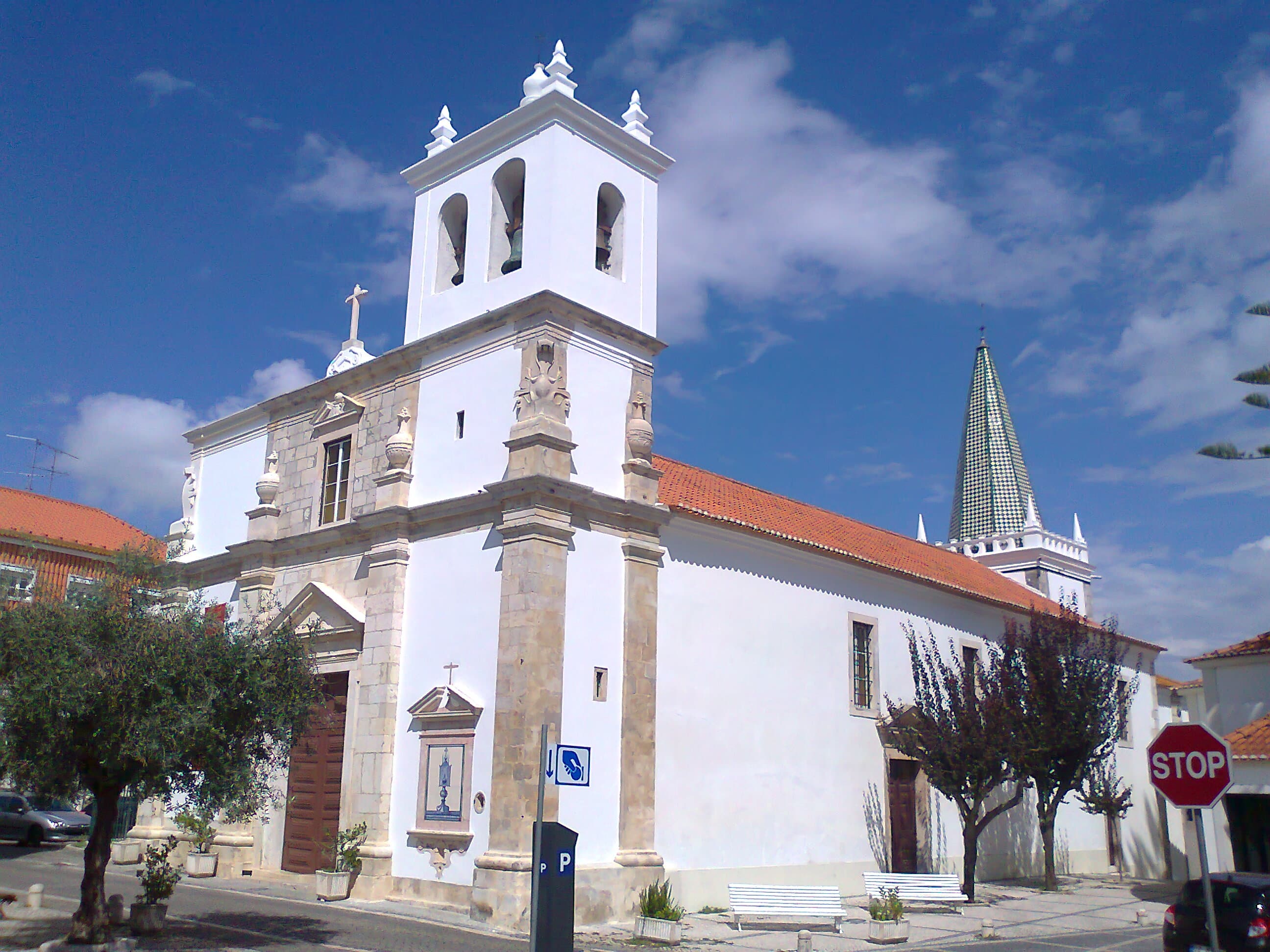
- Eucharistic Miracle of Santarém
- Eucharistic Miracle of Siena — Incorrupt Hosts (1730)
- Eucharistic Miracle of Sokółka, Poland (2008)
- Eucharistic Miracle of Tixtla, Mexico (2006)
- Evasio Ganora: Terminal Hodgkin's Lymphoma Cured at Lourdes Baths
- Floribeth Mora Díaz: Inoperable Brain Aneurysm Disappears After John Paul II Beatification
- Gabriel Gargam: Railroad Accident Survivor Walks After Two Years Bedridden
- Gardell Martin — 101 Minutes Without a Pulse, Full Recovery (2015)
- Gemma Galgani's Stigmata and Ecstasies
- Gen. Eric Smith — Cardiac Arrest, and a CPR Instructor on the Right Block (2023)
- Heidi Baker / Iris Global: Healing Claims in Mozambique
- Hillary Dawa Sherpa — Six Days Alone on Everest, Found Crawling to Base Camp (2026)
- Hobbs, New Mexico Weeping Virgin Mary (2018)
- Jahi McMath — A Family's Challenge to the Definition of Brain Death (2013–2018)
- Jake Finkbonner: Flesh-Eating Bacteria Arrested After Kateri Tekakwitha Relic
- James Fulton Engstrom: Stillborn 61 Minutes, Full Recovery — Fulton Sheen's Miracle
- Jeanne Fretel: Eleven-Year Tubercular Peritonitis Resolved at Eucharistic Procession
- Jeju Air Flight 2216 — The Jump Seats and the Concrete Mound (2024)
- Jeni Stepien — Walked Down the Aisle by Her Father's Heart (2016)
- Joan Ginther's Four Texas Lottery Jackpots
- Joan of Arc 'Relics' — Confirmed 20th-Century Forgery
- John Smith — Heart Restarted After 15 Minutes Under a Frozen Lake (2015)
- John Traynor: WWI Wounded Sailor Walks — The 71st Recognized Miracle
- John Vianney (Curé d'Ars) — Dried Body, Wax Mask, Incorrupt Heart
- Jonah Handler and Nicholas Balboa — A Voice in the Surfside Rubble (2021)
- Joseph of Cupertino's Levitations
- Joshua's "Sun Stood Still" at Gibeon
- Juan Gutiérrez: Complete Achilles Tendon Tear Heals After Frassati Novena
- Kathryn Kuhlman's Spinal Cancer Healing (Nolen Follow-up)
- Katie Lentz and the 'Angel Priest' of Highway 19 — Resolved (2013)
- Kedarnath Temple and the Bhim Shila — The Boulder Behind the Temple (2013)
- Kehillat Israel — The Synagogue Still Standing in the Palisades (2025)
- Lewis Roberts — Breathing Hours Before His Organs Were to Be Donated (2021)
- Los 33 — Sixty-Nine Days Under the Atacama and the '34th Miner' (2010)
- Louis Bouriette: Quarryman's Blinded Eye Restored
- Marcilio Haddad Andrino: Brain Abscesses Resolve Before Surgery After Mother Teresa Prayer
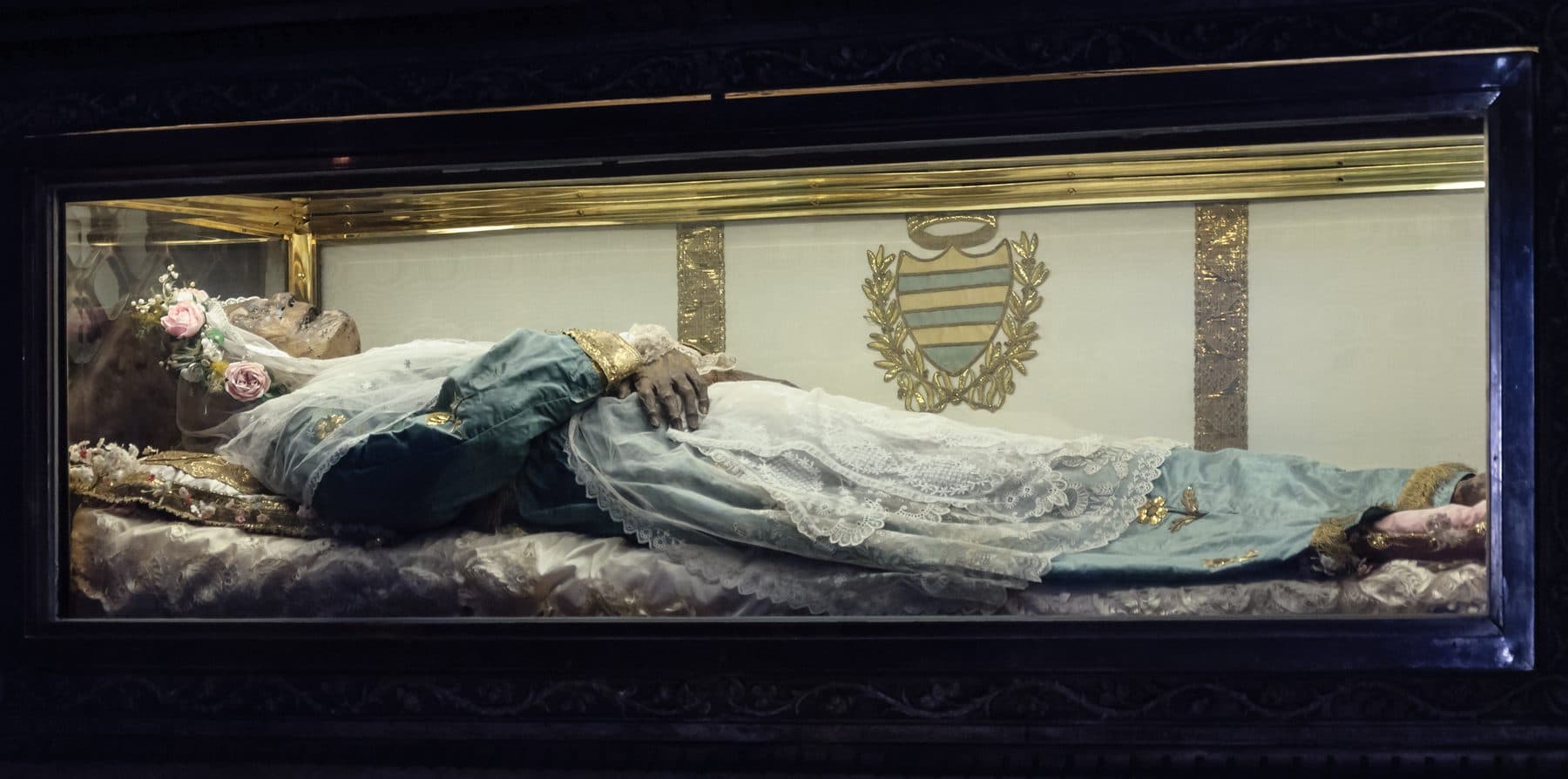
- Margaret of Cortona — 700 Years in a Crystal Reliquary
- Maria's Shoe: The Tennis Shoe NDE
- Marie Bailly: Tuberculous Peritonitis Vanishes Before a Nobel Laureate
- Marie Bigot: Blindness, Deafness, and Hemiplegia All Resolved
- Marion Carroll — The Stretcher at Knock and the 30-Year File (1989–2019)
- Marolyn Ford: Instantaneous Vision Restoration After Juvenile Macular Degeneration
- Marthe Robin's Fifty-Year Inedia
- Mary of Ágreda's Bilocation to the Americas
- Matteo Pio Colella: Full Recovery from Fulminant Bacterial Meningitis
- Máximo Napa Castro — 95 Days Adrift, Praying to the End (2024–2025)
- Melissa Villalobos: Placental Abruption Bleeding Stops Instantly After Newman Prayer
- Mikhail Pichugin — Sixty-Seven Days Adrift, and Only One Came Back (2024)
- Miracle Baby — the story behind Miracles Jar
- Miracle on the Hudson — US Airways Flight 1549
- Monica Besra: Abdominal Tumor Disappears After Mother Teresa Medal
- Munira Abdulla — Speaking Again After 27 Years in a Minimally Conscious State (2018)
- Myrrh-Streaming Orthodox Icons: The Modern Phenomenon
- Nabeel Qureshi: Stage-4 Cancer, Healing Sought at Bethel (2016–2017)
- Naing Lin Tun — 108 Hours Under a Naypyitaw Hotel (2025)
- Nan Hauser — Ten Minutes Under a Humpback's Fin (2017)
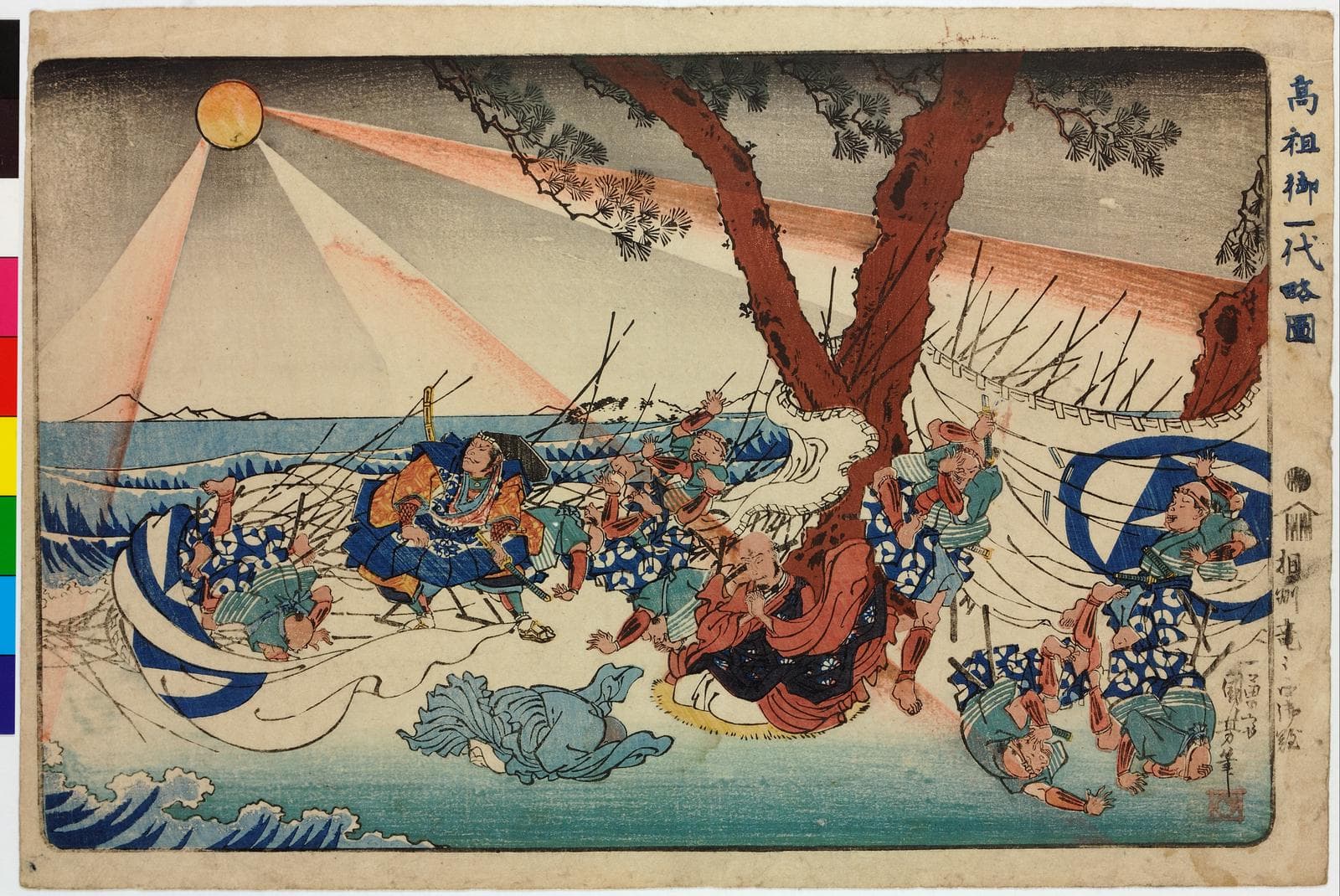
- Nichiren at Tatsunokuchi — The Light Over the Execution Ground (1271)
- Nurse Vilma Wong and Dr. Brandon Seminatore — The Preemie Who Came Back as Her Colleague (2018)
- Olive Heiligenthal — Six Days of Prayer for Resurrection (2019)
- Operation Thunderbolt — The Entebbe Rescue
- Ornish et al. — Prostate Cancer Progression Halted by Lifestyle Intervention (2005)
- Our Lady of Akita: Weeping Wooden Statue
- Our Lady of Assiut — Coptic Marian Apparitions, 2000-2001
- Our Lady of Banneux (Virgin of the Poor)
- Our Lady of Beauraing (The Golden Heart)
- Our Lady of Guadalupe (The Tilma of Juan Diego)
- Our Lady of Kibeho
- Our Lady of Knock
- Our Lady of La Salette
- Our Lady of Las Lajas (Miraculous Image in Stone)
- Our Lady of Lourdes (Bernadette Soubirous)
- Our Lady of Medjugorje (Ongoing Alleged Apparitions)
- Our Lady of Pontmain
- Our Lady of Warraq — Cairo Apparition, December 2009
- Our Lady of Zeitoun (Cairo Luminous Apparitions)
- Padre Pio — Chemical Embalming, Not Incorruption
- Padre Pio's Bilocation
- Padre Pio's Stigmata
- Pam Reynolds: Veridical NDE During Brain Surgery
- Pasadena Buddhist Temple — Two Neighbors and the Eaton Fire (2025)
- Peter Popoff's Radio Earpiece Fraud
- Pieter De Rudder: Eight-Year Open Leg Fracture Healed Instantly
- Pope John XXIII — 'Remarkably Well Preserved,' Not Miraculous
- Rahul Sahu — 104 Hours at the Bottom of a Borewell (2022)
- Reinhard Bonnke's Africa Crusade Healing Claims (General Pattern)
- Reshma Begum — Seventeen Days Beside the Prayer Room Under Rana Plaza (2013)
- Rob Howes and the Dolphins at Ocean Beach (2004)
- Saint Cecilia — The 1599 Discovery and Maderno's Sculpture
- Saint Rita of Cascia — Six Centuries of Wax-Repaired Preservation
- Saint Silvan — Oldest 'Incorrupt' Body Is Actually a Wax Sculpture
- Saint Zita of Lucca — Natural Mummification After 700 Years
- Samantha Futerman and Anaïs Bordier — The Face in the Video (2013)
- Sascha Roth and the Trial Where Every Tumor Vanished (2022)
- Sathya Sai Baba’s Materialization Claims (1940s–2011)
- Scott Ruskan — First Mission on the Guadalupe (July 4, 2025)
- Serge Perrin: Recurring Hemiplegia and Ocular Lesions Healed at Lourdes
- Set to Be Taken Off Life Support, He Recovered Instead (2024)
- Severe Aplastic Anemia Recovers With No Treatment — and the Immune System Explains How
- Sha'Kyra Aughtry and Joey White — Heard Above the Blizzard (2022)
- Silkyara Tunnel Rescue — 41 Workers, 17 Days, and the Deity at the Door (2023)
- Sister Bernadette Moriau: 70th Lourdes Miracle — Cauda Equina Syndrome Resolved
- Sister Caterina Capitani: Gastric Fistula Healed After John XXIII Relic
- Sister Marie Simon-Pierre: Parkinson's Reversed After John Paul II Prayer
- Sister Wilhelmina Lancaster — The Intact Body of Gower, Missouri (2019–2023)
- Smith Wigglesworth's Claimed Resurrections from the Dead (1900s-1940s)
- Sonny Graham and Terry Cottle — One Heart, One Wife, Two Suicides (1995–2008)
- Spontaneous Cancer Remission: Medicine's Documented Puzzle
- Spontaneous Remission of Small Cell Lung Cancer Without Treatment (2021 Case Report)
- St. Gemma's Relic That Appeared to Move on Its Own (2025)
- St. Seraphim of Sarov — Healings at Canonization and the Question of Incorruptibility
- Stage IV Colon Cancer Vanishes After a Rheumatoid-Arthritis Drug Is Stopped
- STEP Study: Largest Randomized Prayer Trial Finds No Benefit — and a Backfire Effect
- STEPP Study — Proximal Intercessory Prayer and Sensory Improvement in Mozambique (2010)
- Stigmata of Francis of Assisi
- Suzu — Alive Under a Collapsed House at 124 Hours (2024)
- Sycamore Gap — The Felled Tree That Sprouted (2023–2024)
- Tham Luang — Twelve Boys, a Meditating Coach, and a Rescue No One Believed In (2018)
- The 1995 Ganesha Milk Miracle
- The Angels of Mons
- The AWARE Studies: Prospective NDE Testing
- The Bleeding Madonna of Trevignano Romano — DNA, a Negative Ruling, and a Fraud Trial (2016–2024)
- The Calanda Miracle: A Restored Leg
- The Cock Lane Ghost
- The Cottingley Fairies: A Photographic Hoax Confessed 66 Years Later
- The Dancing Plague of Strasbourg, 1518
- The Delhi Monkey Man: Mass Hysteria as Supernatural Belief
- The Dhammakaya 'Sun Miracle'
- The Dozulé Apparitions: Ruled Not Supernatural by the Vatican
- The Dutch Healing-After-Prayer Study — 27 Files, Eleven 'Remarkable,' None 'Unexplained' (2016–2023)
- The Epidaurus Cure Inscriptions — The Iamata of Asclepius (4th Century BCE)
- The Eucharistic Miracle of Lanciano
- The Geneva Patient: HIV Remission Without the Protective Mutation
- The Hawaiian Iveron Myrrh-Streaming Icon (2007)
- The Healing of Paulus and Palladia at Hippo (Augustine, City of God 22.8)
- The Hemorrhoissa: Healing of the Woman with the Issue of Blood
- The Holy Fire of Jerusalem — Holy Saturday at the Holy Sepulchre
- The Holy Lance (Spear of Longinus / "Spear of Destiny")
- The Incorrupt Body of Francis Xavier in Goa
- The Incorrupt Relics of St. Alexander Svirsky — Soviet Examination and Return
- The Incorrupt Relics of St. John Maximovitch of Shanghai and San Francisco
- The Incorruptibility of Bernadette Soubirous
- The Indiana "Bleeding Host" That Turned Out to Be Bacteria
- The Jansenist Convulsionnaires of Saint-Medard
- The Key Bridge Mayday — Ninety Seconds on March 26, 2024
- The Kursk Root Icon of the Sign — Survival, Travels, and Diaspora
- The Lahaina 'Miracle House' — The Red Roof That Survived, Explained (2023)
- The Last Clear Hour: Terminal and Paradoxical Lucidity in End-Stage Dementia
- The Lethbridge Man Who Won the Lottery Three Times in Nine Months
- The Leukemia That Kept Vanishing With Every Infection
- The Liquefaction of the Blood of St. Januarius, Naples
- The Lourdes Cure of Jean-Pierre Bély
- The Manchester 'Allah Fish': Arabic Writing on Animal Markings
- The Máriapócs Weeping Icon
- The Medjugorje 'Miracle of the Sun'
- The Miracle of the Sun at Fátima
- The Miracles of Apollonius of Tyana
- The Miracles of Francis Xavier and the Growth of His Legend
- The Montreal Iveron Myrrh-Streaming Icon and Brother Jose Munoz-Cortes
- The Mosques Left Standing — Banda Aceh 2004 and Palu 2018
- The Mucutuy Children — Four Siblings Survive 40 Days in the Amazon (2023)
- The Naga Fireballs of the Mekong River
- The Newborn With No Pulse for 65 Minutes: Tyquan Hall and Venerable Salvador Valera Parra
- The Odor of Sanctity
- The Panagia Soumela Icon — Exile, Concealment, and Recovery
- The Parting of the Red Sea (Exodus 14)
- The Rain Miracle of Marcus Aurelius — One Storm, Four Claimants (172 CE)
- The Resurrection of Jesus: Historiographical Assessment
- The Ring That Came Back on a Carrot
- The Shroud of Turin
- The Star of Bethlehem
- The Sudarium of Oviedo
- The Ten Plagues of Egypt
- The Tilma's Eyes: Reflected Figures Claim
- The Veil of Veronica and the Holy Face of Manoppello
- The Weeping Crucifix of Mumbai: A Leaking Drain and an Exile
- The Weeping Madonna of Civitavecchia: Male Blood of an Untested Source
- The Welsh Couple Who Won £1 Million Twice
- Therese Neumann: Inedia and Stigmata
- Thich Quang Duc's Unburnt Heart (1963)
- Thomaston — The Hosts That Reportedly Replenished (2023)
- Tim Shaddock and Bella — Months Adrift in the Pacific, Found by a Tuna Boat's Helicopter (2023)
- TJ Hoover — Declared Dead, Awake Before Organ Recovery (2021)
- Todd Bentley's Lakeland Revival Healing Claims (2008)
- Todd Endris and the Ring of Dolphins (2007)
- Towana Looney — 130 Days Off Dialysis with a Pig Kidney (2024)
- Trenton McKinley — Awake After the Donation Papers Were Signed (2018)
- Tukdam: Scientists Document Slowed Decomposition in Tibetan Meditators After Death
- Uri Geller Fails Controlled Test on The Tonight Show (1973)
- Valentine Greatrakes 'The Stroker'
- Valeria Valverde: Severe Brain Trauma Resolves After Pilgrimage to Carlo Acutis Tomb
- Vesna Vulović: Survival of JAT Flight 367
- Vespasian's Healing Miracles in Alexandria
- Vincent de Paul — The Skeleton in a Wax Shell
- Vishwash Kumar Ramesh — Seat 11A, the Sole Survivor of Air India Flight 171 (2025)
- Vittorio Micheli: Pelvic Sarcoma Healed — Bone Reconstruction Documented by X-ray
- W.V. Grant: Faith-Healing Cold Reading Caught on Undercover Video (1986)
- Youssef Ziadna — The Bedouin Driver Who Drove Back Into the Massacre (October 7, 2023)