Stories & evidence, weighed honestly
What really happened — and how likely is it that there's no natural explanation?
Miracles Jar collects reported miracles and pairs each one with a Snopes-style review of the documentation. For every claim we lay out the sources, weigh the evidence, and give a plain verdict on two questions: could nature explain it — and is there real evidence it's true?
Have a story to share? You're in the right place.
How we weigh it
The strongest cases — and the ones we’ve caught
Every claim gets the same two questions: could nature explain it, and did it happen? A few across the range — from the best-evidenced to the confessed hoaxes.
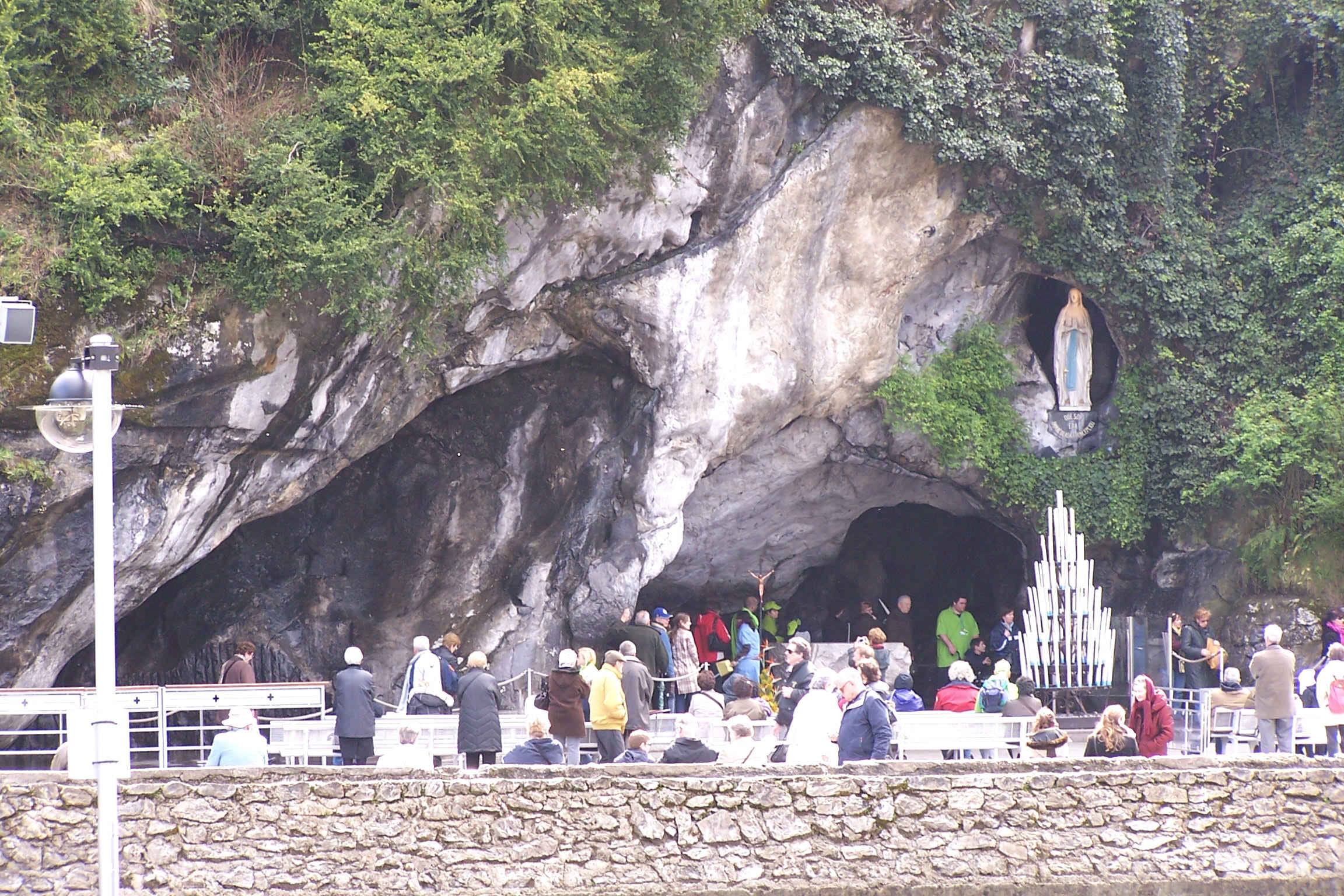
healing · Lourdes, France (patient from Trento, Italy)
Vittorio Micheli: Pelvic Sarcoma Healed — Bone Reconstruction Documented by X-ray
In the spring of 1963, a young Italian soldier was carried into Lourdes in a plaster cast, a sarcoma having eaten so much of his hip that his surgeons had stopped offering to operate. What happened over the months that followed, his doctors did not have to take on faith — they had it on film, in a sequence of X-rays showing the destroyed bone rebuilding itself.
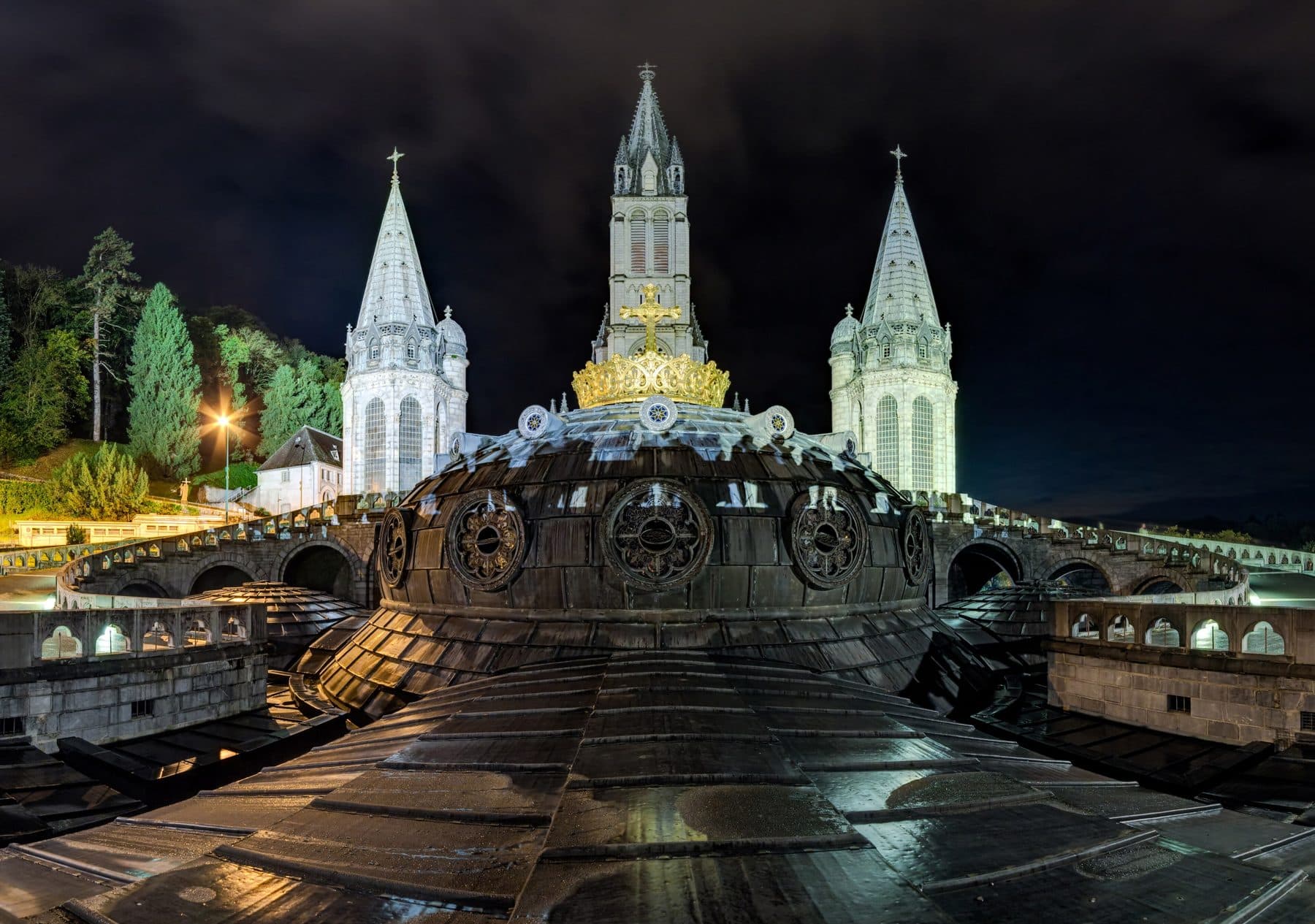
healing · Lourdes, France (patient from Tursi-Lagonegro region, Italy)
Antonietta Raco: Primary Lateral Sclerosis Healed — The 72nd Recognized Miracle
By 2008, Antonietta Raco's legs had stopped answering her — years of creeping weakness had narrowed to a diagnosis of primary lateral sclerosis, incurable and progressive. The next spring she was lowered into the baths at Lourdes, where she later said a young voice told her three times not to be afraid.
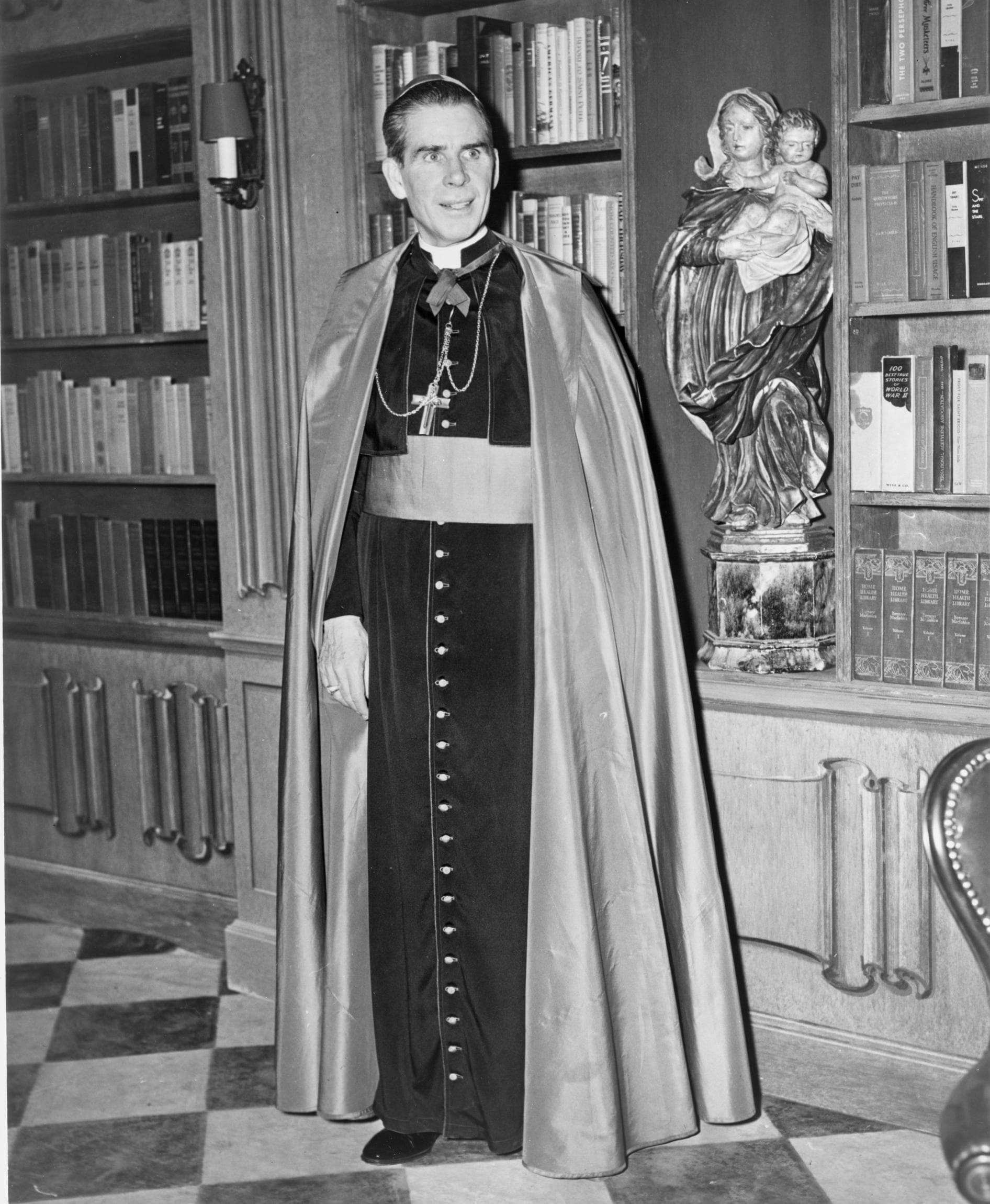
healing · Peoria, Illinois, USA
James Fulton Engstrom: Stillborn 61 Minutes, Full Recovery — Fulton Sheen's Miracle
For sixty-one minutes, a delivery room in Peoria, Illinois worked over a newborn who had come into the world without a heartbeat, his umbilical cord knotted. The doctors were about to call the time — and in the waiting room, his grandfather was praying, naming an old archbishop.
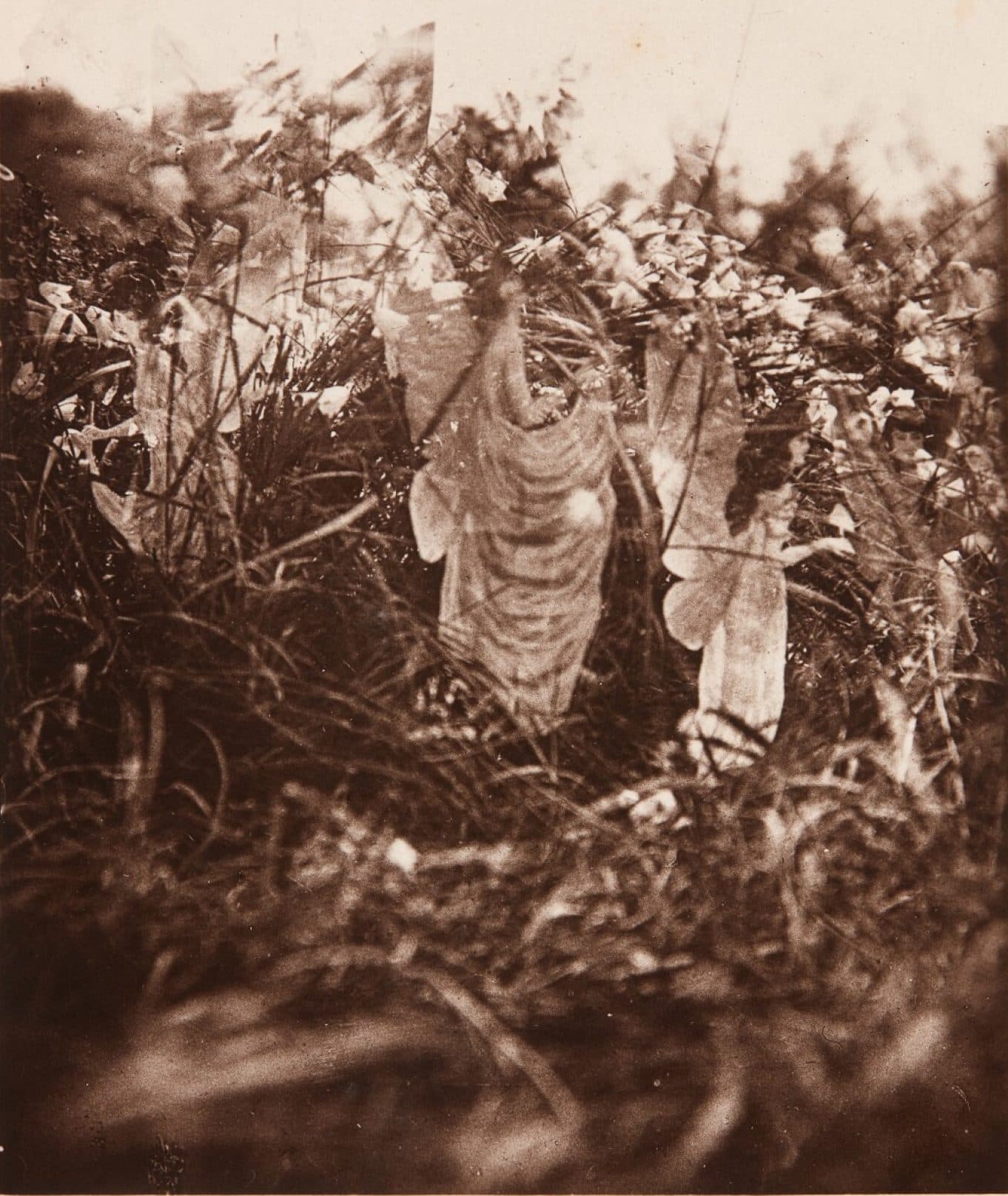
signs · Cottingley, West Yorkshire, England
The Cottingley Fairies: A Photographic Hoax Confessed 66 Years Later
In the summer of 1917, two Yorkshire cousins — sixteen and nine — borrowed a camera and came back from the stream at the foot of the garden with a photograph of fairies. Arthur Conan Doyle put his name behind the pictures; for sixty-six years, only the girls knew how they were made.
- Baby KJ — a CRISPR Therapy Built in Six Months for One Baby (2025)Explained
- David Bennett — The First Pig Heart in a Human (2022)Explained
- Towana Looney — 130 Days Off Dialysis with a Pig Kidney (2024)Explained
- The Dhammakaya 'Sun Miracle'Explained
- Eben Alexander: A Neurosurgeon's 'Proof of Heaven'Unproven
- The Naga Fireballs of the Mekong RiverUnproven
- Severe Aplastic Anemia Recovers With No Treatment — and the Immune System Explains HowExplained
- Set to Be Taken Off Life Support, He Recovered Instead (2024)Explained
- St. Gemma's Relic That Appeared to Move on Its Own (2025)Explained
- A Lung Lymphoma That Vanished After Only a Biopsy (2025)Explained
- A Holocaust Survivor's Menorah, Pulled Whole From the Ashes of the Eaton FireExplained
- The Angels of MonsDisproven
Find your way in
By what you came here for, not by category.
From the catalog
The most interesting cases to start with — well-documented and genuinely contested — followed by the newest.
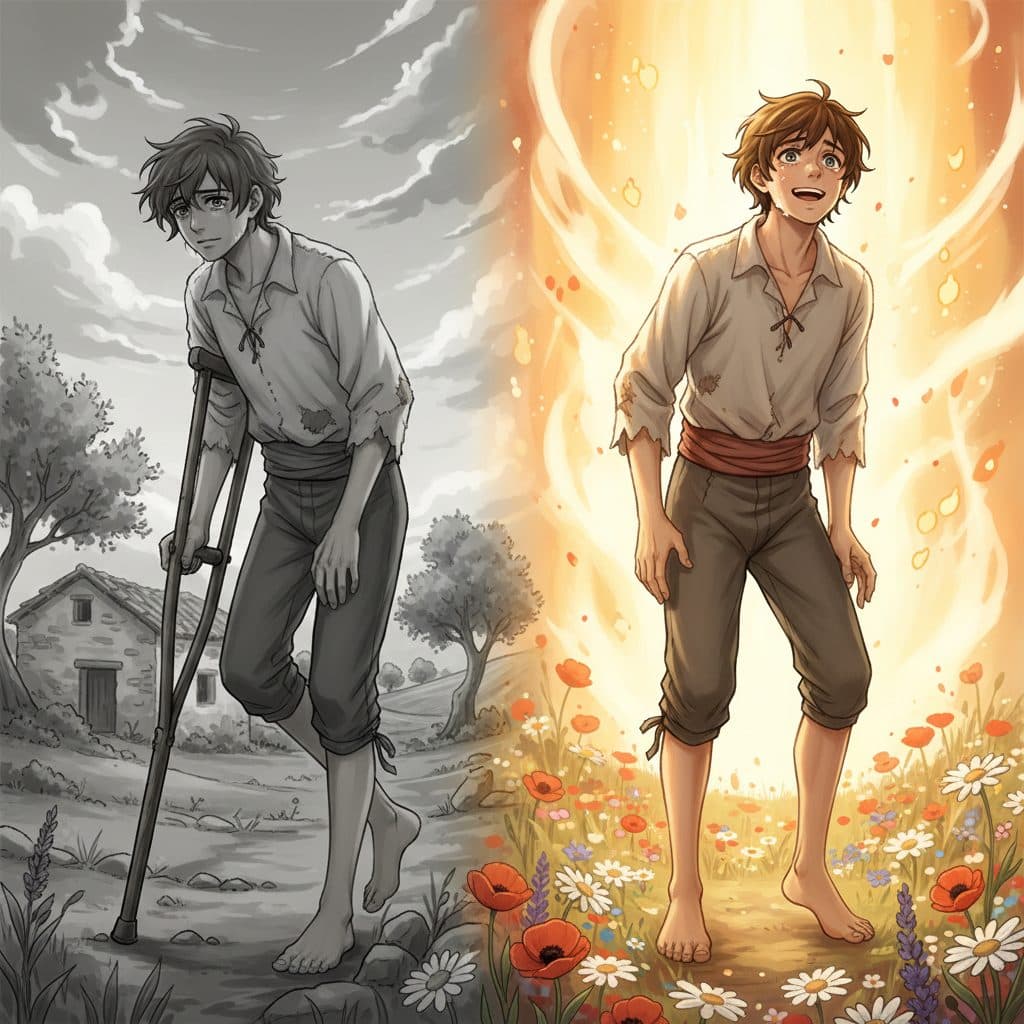
healing · Calanda, Aragon, Spain
The Calanda Miracle: A Restored Leg
On a March night in 1640, Miguel Juan Pellicer's parents drew back the blanket from their sleeping son and found two legs where, for two years, there had been one. Surgeons in Zaragoza had amputated the right leg and buried it, he had begged at the basilica doors on one leg ever since — and witnesses later swore to all of it under oath.
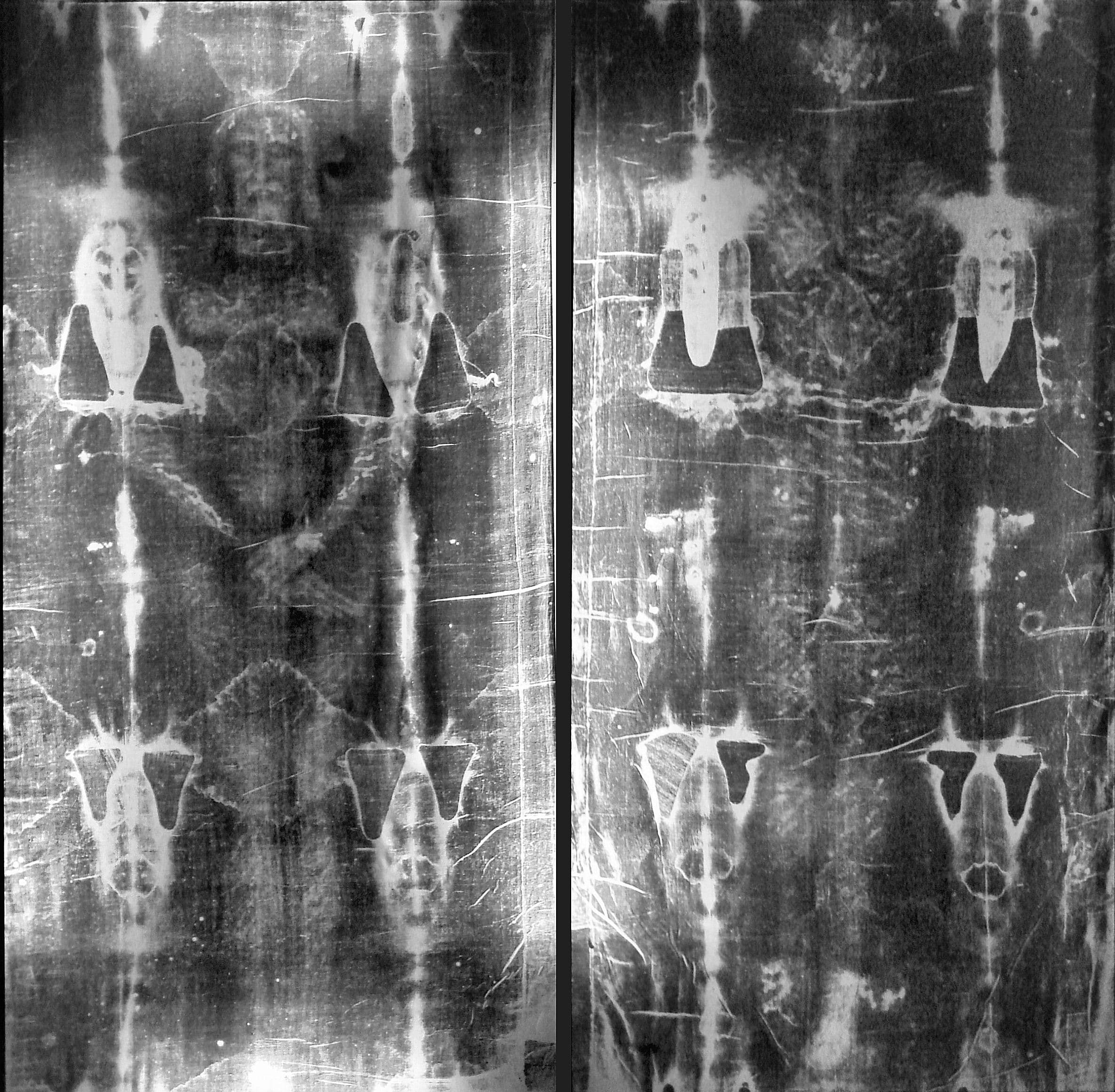
relics · Turin, Italy
The Shroud of Turin
One night in 1898, a lawyer developing his photograph of the faint image on an old linen cloth watched a detailed, lifelike face resolve in the negative — a face the cloth itself does not show. A 1988 radiocarbon test dated a corner of the linen to the Middle Ages; that date is now genuinely contested, and no one has reproduced how the image was made.
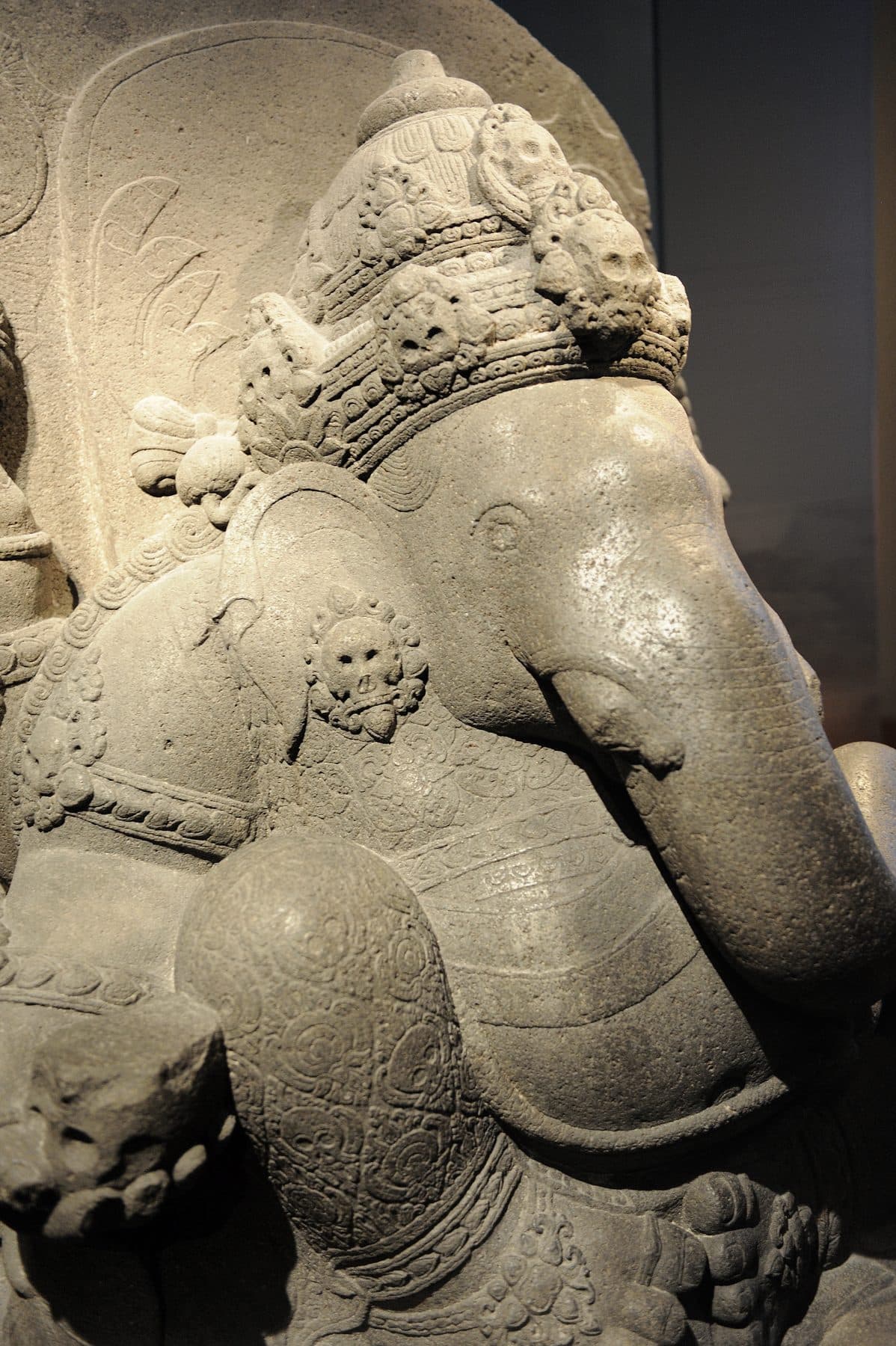
signs · New Delhi, India
The 1995 Ganesha Milk Miracle
Before dawn one September morning in 1995, a man in a New Delhi temple lifted a spoonful of milk to a stone statue of Ganesha — and the milk vanished from the spoon. By noon Hindus from Delhi to London were watching milk disappear from spoons held to their own idols; a day later it stopped, as suddenly as it had begun.
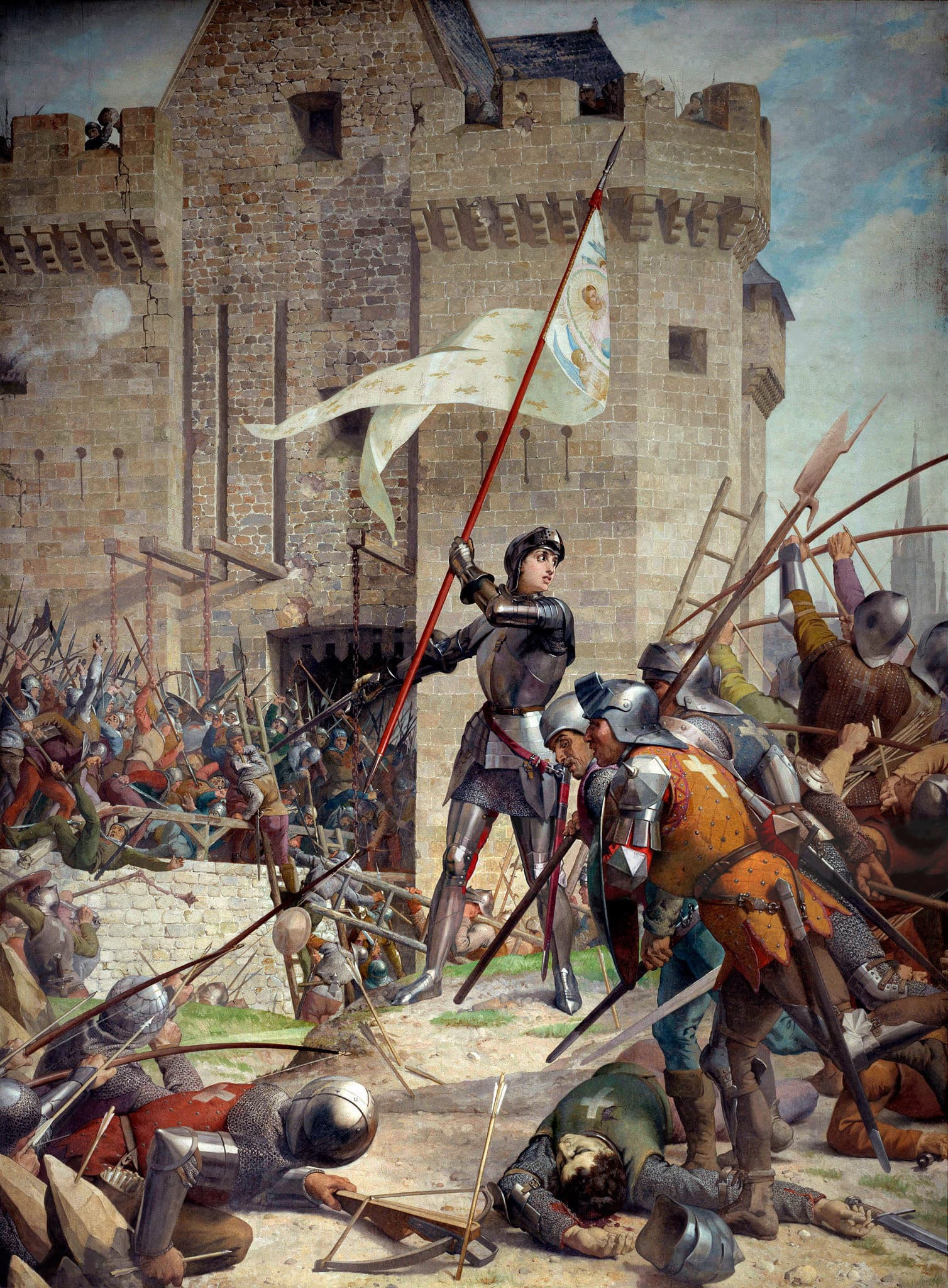
relics · Chinon pharmacy, then museum display, France
Joan of Arc 'Relics' — Confirmed 20th-Century Forgery
In 1867 a glass jar appeared at a French pharmacy, labelled in a careful hand: remains found under the pyre of Joan of Arc. Inside lay a blackened rib and charred fragments, venerated for a hundred and forty years — until a forensic team laid them out under the lights.
KJ Muldoon was a day old when doctors found ammonia flooding his blood — a one-in-a-million genetic disorder, the deadliest of its kind, kept his liver from clearing the toxin. In about six months, a Philadelphia team designed and built a gene-editing medicine for him alone — the first person ever treated with a therapy written for a single patient.
Baby KJ — a CRISPR Therapy Built in Six Months for One Baby (2025)
David Bennett was dying of heart failure, too sick to qualify for a human heart, when a Maryland team offered him one from a pig — the first ever placed in a living human. "I know it's a shot in the dark," he said the day before the operation, "but it's my last choice."
David Bennett — The First Pig Heart in a Human (2022)
Towana Looney had spent about eight years tethered to a dialysis machine, no matching human kidney in sight, when surgeons gave her one that had never belonged to a person. It came from a pig, its genome edited ten times over — and the open question was how long her body would keep it.
Towana Looney — 130 Days Off Dialysis with a Pig Kidney (2024)
On September 6, 1998, a crowd the temple put at roughly 20,000 gathered at Wat Phra Dhammakaya, a large Buddhist temple north of Bangkok, and reported seeing the sun spin, dim, and change colour, with the image of the movement's revered founder-monk appearing in the sky. The phenomenology closely matches the famous 1917 'miracle of the sun' at Fatima, and has the same proposed natural explanation — the optical after-images of staring at a bright sun, amplified by an expectant, meditation-primed crowd. The documentation is thin, drawn mainly from the movement's own media.
The Dhammakaya 'Sun Miracle'
In 2008 the academic neurosurgeon Eben Alexander spent a week in a coma from a rare bacterial meningitis, recovered fully, and in the 2012 bestseller 'Proof of Heaven' described a vivid journey to an afterlife. What set his account apart was the argument he built on his own expertise: that the experience occurred while his cortex was entirely shut down, making it, in his view, evidence of consciousness beyond the brain. A 2013 Esquire investigation placed the experience in the sedated and recovery window rather than true brain death and disputed parts of his account; defenders, including a published rebuttal, argue the investigation distorted the medical facts.
Eben Alexander: A Neurosurgeon's 'Proof of Heaven'
Every year at the end of Buddhist Lent (Wan Ok Phansa, in late October), crowds along a long stretch of the Mekong River near Phon Phisai, in Thailand's northeastern Nong Khai Province on the Thai–Lao border, report seeing reddish glowing orbs rise silently from the water and climb into the night sky. Devotees attribute them to the Phaya Naga, a revered serpent deity, honoring the Buddha's return from the heavens. The lights are real and recurring; what causes them is disputed, with two natural accounts on the table — igniting riverbed gas, and human-fired tracer rounds, the latter captured in a 2002 Thai television documentary.
The Naga Fireballs of the Mekong River
From the community
Submitted stories awaiting review. Upvote what we should research next.
This space is open — and yours to start.
No community stories are in yet. A healing you witnessed, a rescue that shouldn’t have worked, timing too perfect to shrug off — share it as good news, or opt in to a full evidence review. Either way it posts here for others to weigh in, and the community decides what we research next.
Share your story