Augustine's Catalogue of Miracles in City of God, Book 22
The story
Skip to the verdict ↓In the final book of City of God (c. 426 CE), Augustine of Hippo compiled approximately seventy attested miracle accounts from his own diocese, presenting them as evidence that miracles had not ceased with the apostolic age.
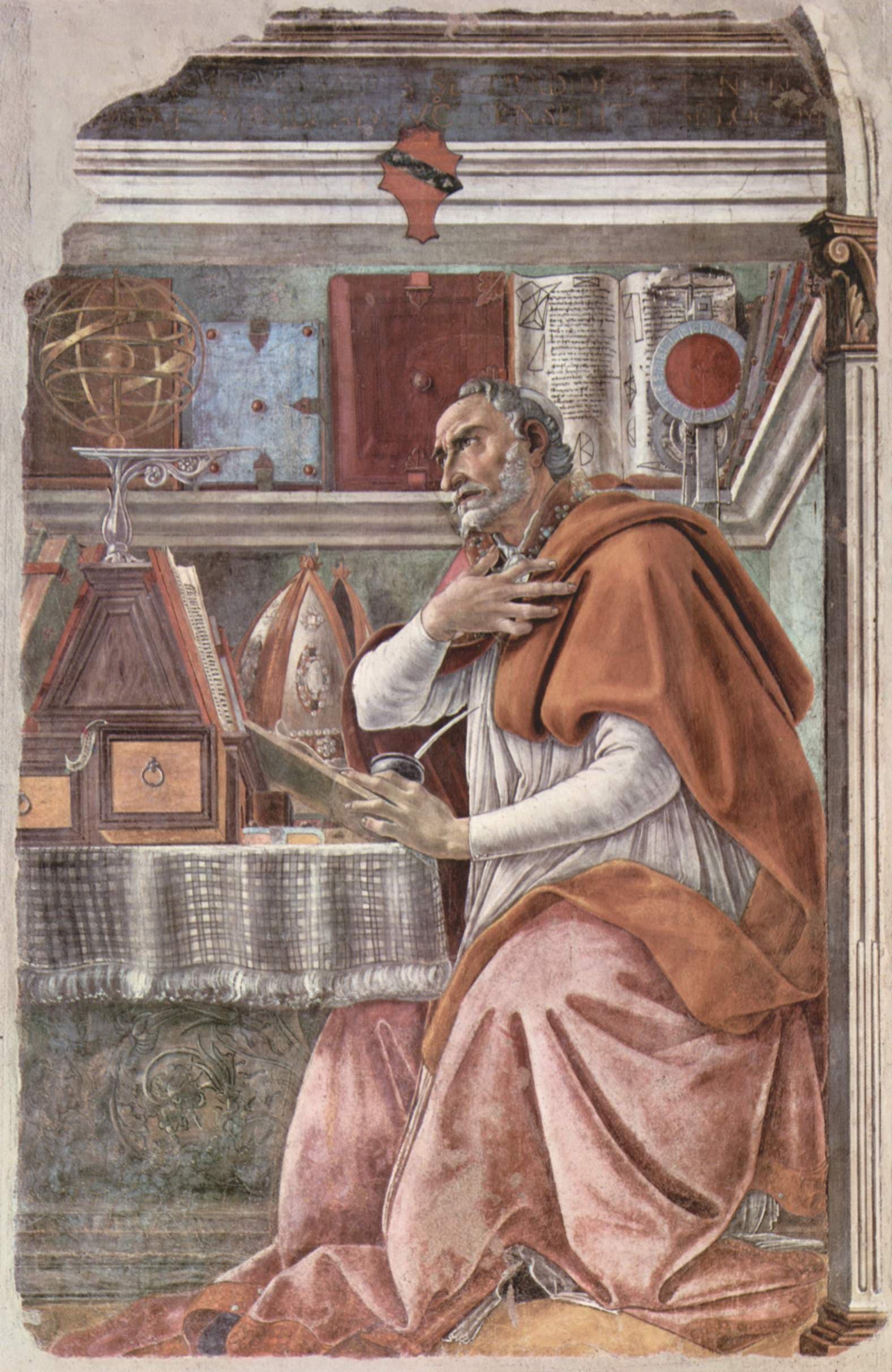
In Book 22 of City of God, written near the end of his life (c. 426 CE), Augustine of Hippo shifts from philosophical argument to empirical catalogue. He complains that miracles are no longer publicized as they should be, and sets out to remedy this for his own region. He collected roughly seventy cases from the diocese of Hippo and nearby cities, including healings of paralysis, blindness, hemorrhage, and demonic possession. For the most notable cases, he compiled libelli (written depositions read aloud to the congregation).
Among the best-documented cases are the seven Cappadocian siblings (Paulus and Palladia) who came to Hippo shaking from a supposed maternal curse. Palladia was reportedly healed at the altar during Easter services, while Paulus had been cured days earlier. Augustine personally witnessed Paulus's cure. Roughly seventy healings in the Hippo area alone were attributed to the relics of St. Stephen brought to North Africa in 416 CE.
The cures clustered around the newly arrived relics, drawing pilgrims to the shrine. Witnesses reported their cures to the bishop, Augustine himself, who gathered the testimony; the cures that were reported were the ones that entered the record. Augustine explicitly criticized Christians who failed to publicize miracles, and he had the libelli read publicly before the congregation.
Too thin a record to say either way.
Reviewer Notes
Miracles Jar weighs each claim two ways — how extraordinary it would be, and how strong the evidence is.
Assessed by Miracles Jar AI
Unusually well-documented for the period; relic-cult social dynamics provide a powerful natural explanation.
The case is genuinely uncertain — neither easily dismissed nor able to clear the bar of natural explanation.
Reasoning. Augustine is a first-rate intellect and a careful writer who took unusual pains to collect sworn testimony and names. His accounts are closer to firsthand documentation than most ancient miracle claims — the libelli process (written depositions read aloud to the congregation) was unusual in its procedural care, and the documentation methods are the best available for late antiquity. However, all cases were reported to a bishop with both theological and institutional stakes in their authenticity, and the cures are tied to relics of St. Stephen — a known focus of crowd psychology and suggestion effects. No independent verification exists, and the social dynamics (pilgrimage, communal expectation, bishop's authority) would have strongly shaped reporting.
Evidence weighed:
- *Toward authentic:* Augustine collected named witnesses with sworn testimony and had libelli read publicly — an unusually rigorous documentation effort for the 5th century. He explicitly criticizes Christians who fail to publicize miracles; the collection reflects genuine evidentiary intent.
- *Toward natural (strong):* All cures cluster around the newly arrived relics of St. Stephen; relic-pilgrimage sites are classic environments for expectation-driven psychosomatic effects. The arrival of prestigious relics at a pilgrimage site generates intense communal expectation, and expectation is a well-documented driver of both psychosomatic improvement and selective reporting of positive outcomes. Concentration of cures around a new relic is sociologically expected rather than evidentially significant. Only cures are publicized; failures and non-events leave no record.
- *Toward natural:* Accounts were collected by the bishop who was also the chief advocate for their authenticity — a structural conflict of interest.
The social architecture of the relic cult is the necessary context. "Best available" documentation in 420 CE is not the same as meeting modern evidentiary standards. The cases remain interesting as historical and sociological data about early Christian practice, even if the supernatural interpretation cannot be sustained.
Evidence ledger — what the verdict rests on
Augustine collected named witnesses with sworn testimony and had libelli read publicly -- an unusually rigorous documentation effort for the 5th century
He explicitly criticizes Christians who fail to publicize miracles; the collection reflects genuine evidentiary intent
All cures cluster around the newly arrived relics of St. Stephen; relic-pilgrimage sites are classic environments for expectation-driven psychosomatic effects
Concentration of cures around a new relic is sociologically expected rather than evidentially significant
Accounts collected by the bishop who was also the chief advocate for their authenticity -- a structural conflict of interest
What would raise the meter: Documented recurrence in cases with no expectancy pathway — or records ruling out functional overlay — would raise the meter.
What would lower it: Evidence of symptom relapse, revised diagnosis, or undisclosed treatment would lower the evidence bar.
How we weigh every claim — the full method, deductions and all →
The natural explanation
The leading natural account for this case is expectation, suggestion & the placebo response. Read what it explains — and where it stops.
Sources
Tagged by proximity to the event. Primary sources are direct or contemporaneous; tertiary are downstream retellings.
- 1.Primarybook
Augustine of Hippo, "The City of God Against the Pagans", c. 426 CE· no public link
Book 22, Chapter 8; Augustine lists approximately 70 cases and writes separate libelli (booklets) with testimony for many
- 2.Tertiaryacademic
Multiple authors (Scripps College thesis), "Relics in Augustine's City of God", 2013· no public link
Surveys Augustine's methodology and the relic-cult social context
Cases like this
Nearest on the map — similar in how miraculous they’d be, and how strong the evidence is.