Collection
The Incorruptibles
Bodies said to resist decay — exhumed, examined, displayed, and in several cases quietly assisted with wax. The claim is identical across centuries and traditions; what varies is the documentation, and that is exactly what we grade.
19 claims
Four years after burying their 95-year-old foundress unembalmed in a simple wooden coffin, the Benedictines of Mary exhumed Sister Wilhelmina Lancaster in April 2023 and found her body and habit largely intact; the diocese's commissioned pathology team called the condition 'highly atypical' for the interval and conditions, forensic anthropologists answered that natural mummification in coffin burials is well documented, and the Church itself has declared no miracle and opened no cause.
Sister Wilhelmina Lancaster — The Intact Body of Gower, Missouri (2019–2023)
The 16th-century Russian monastic founder's relics, seized by Soviet authorities in 1918, survived a Bolshevik examination that expected to expose fraud, and were returned to his monastery in 1998 after rediscovery in a Leningrad anatomical museum.
The Incorrupt Relics of St. Alexander Svirsky — Soviet Examination and Return
Angela of Foligno, the 13th-century Franciscan tertiary and mystic, died in 1309; her body is kept in the Basilica of Santa Maria Assunta in Foligno, with incorruptibility claimed but no modern forensic verification available.
Angela of Foligno — Medieval Mystic, Questionable Preservation Claim
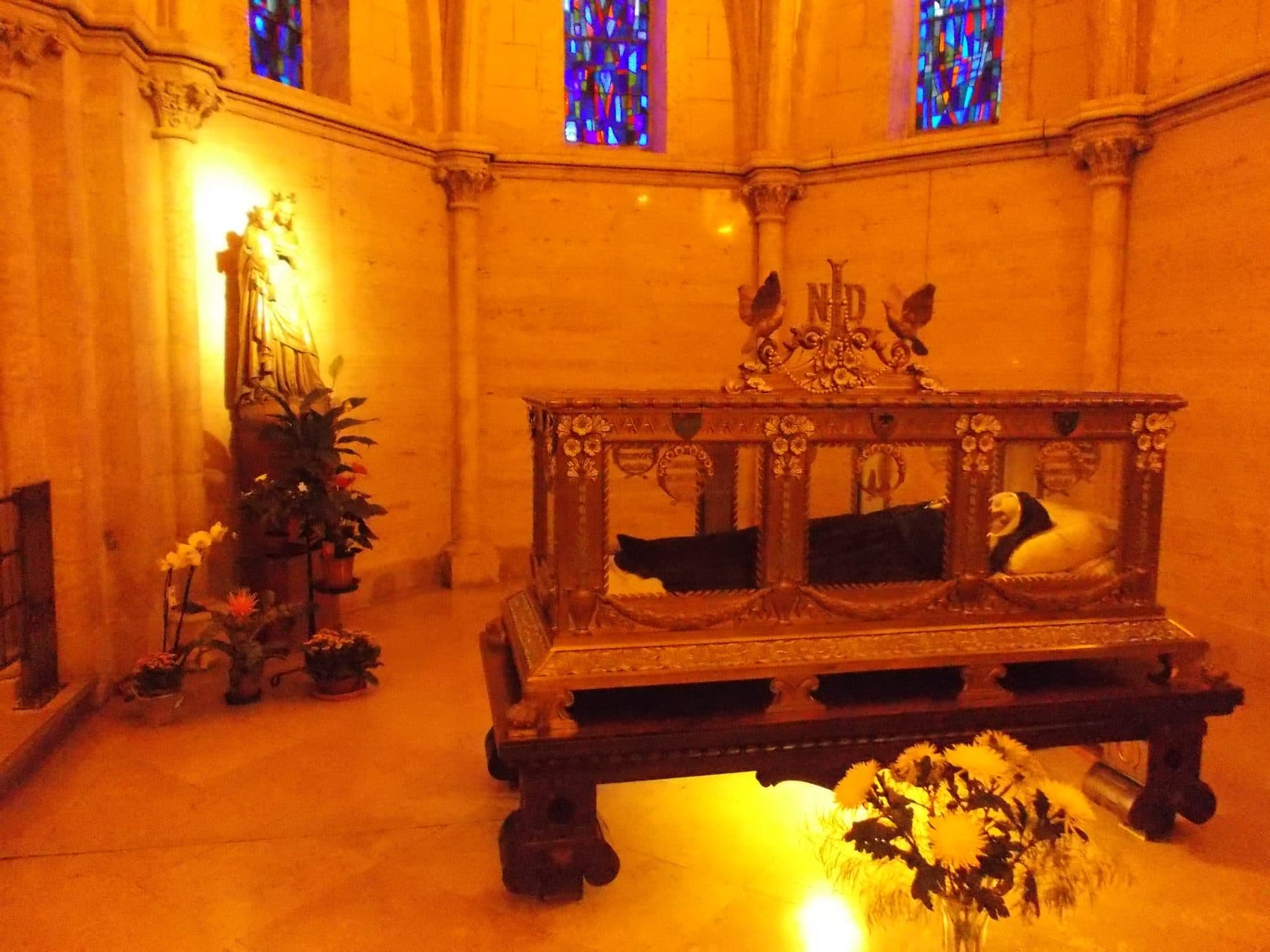
The body of the Lourdes visionary, displayed at Nevers, is often called incorrupt — but a wax mask covers the face, and natural preservation can account for the rest.
The Incorruptibility of Bernadette Soubirous
Imelda Lambertini died in 1333 at age 11, reportedly from an ecstatic episode immediately after receiving her first Eucharist; her body was found incorrupt and is displayed in a wax effigy in Bologna, though independent scientific examination is lacking.
Blessed Imelda Lambertini — The Child Who Died at First Communion
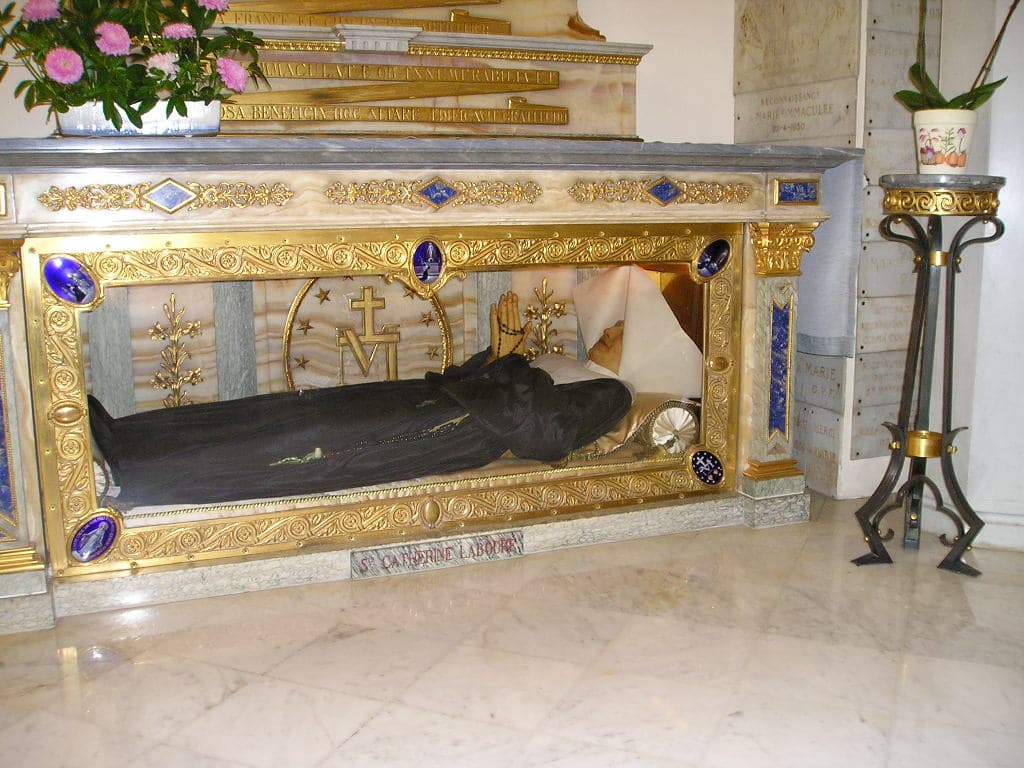
When Catherine Labouré's body was exhumed in 1933 for beatification — 57 years after her death — physicians reported it was flexible and fresh, with blue eyes intact; her body remains on display in Paris at the Chapel of the Miraculous Medal.
Catherine Labouré — Blue Eyes After 57 Years

Lebanese Maronite monk Charbel Makhlouf died in 1898; his body was found incorrupt in a flooded grave in 1899 and reportedly exuded a blood-like fluid for 67 years until beatification in 1965, when it was found finally decomposed.
Charbel Makhlouf — The Fluid-Exuding Monk of Lebanon
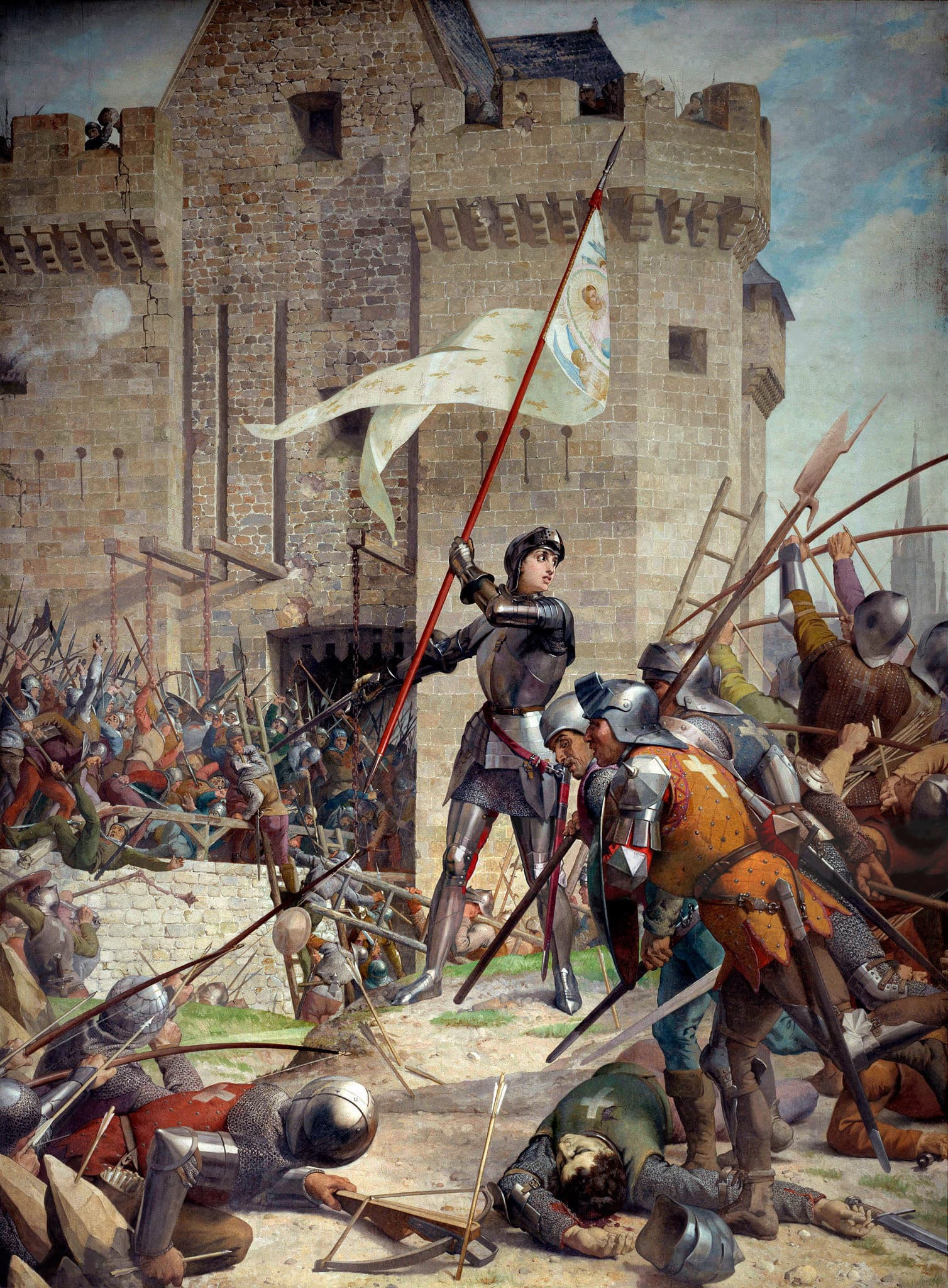
In 1867 a glass jar appeared at a French pharmacy, labelled in a careful hand: remains found under the pyre of Joan of Arc. Inside lay a blackened rib and charred fragments, venerated for a hundred and forty years — until a forensic team laid them out under the lights.
Joan of Arc 'Relics' — Confirmed 20th-Century Forgery
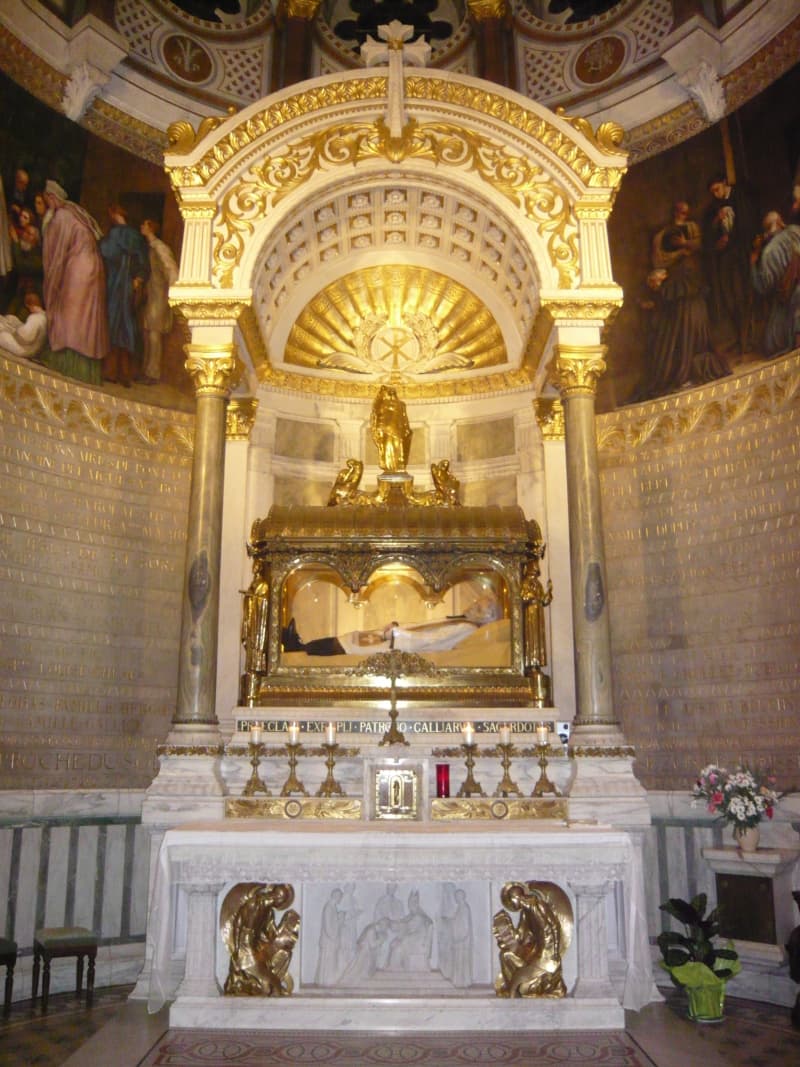
John Vianney's body was found dried and darkened after death and bears a wax mask over the face; his heart, removed in 1904, is separately venerated as a first-class relic and described as incorrupt, though it has undergone a century of conservation treatment.
John Vianney (Curé d'Ars) — Dried Body, Wax Mask, Incorrupt Heart
Margaret of Cortona, a 13th-century penitent, died in 1297; her body has been displayed in the Basilica of Santa Margherita in Cortona for over 700 years and is described as incorrupt, though no modern independent forensic examination has been published.
Margaret of Cortona — 700 Years in a Crystal Reliquary
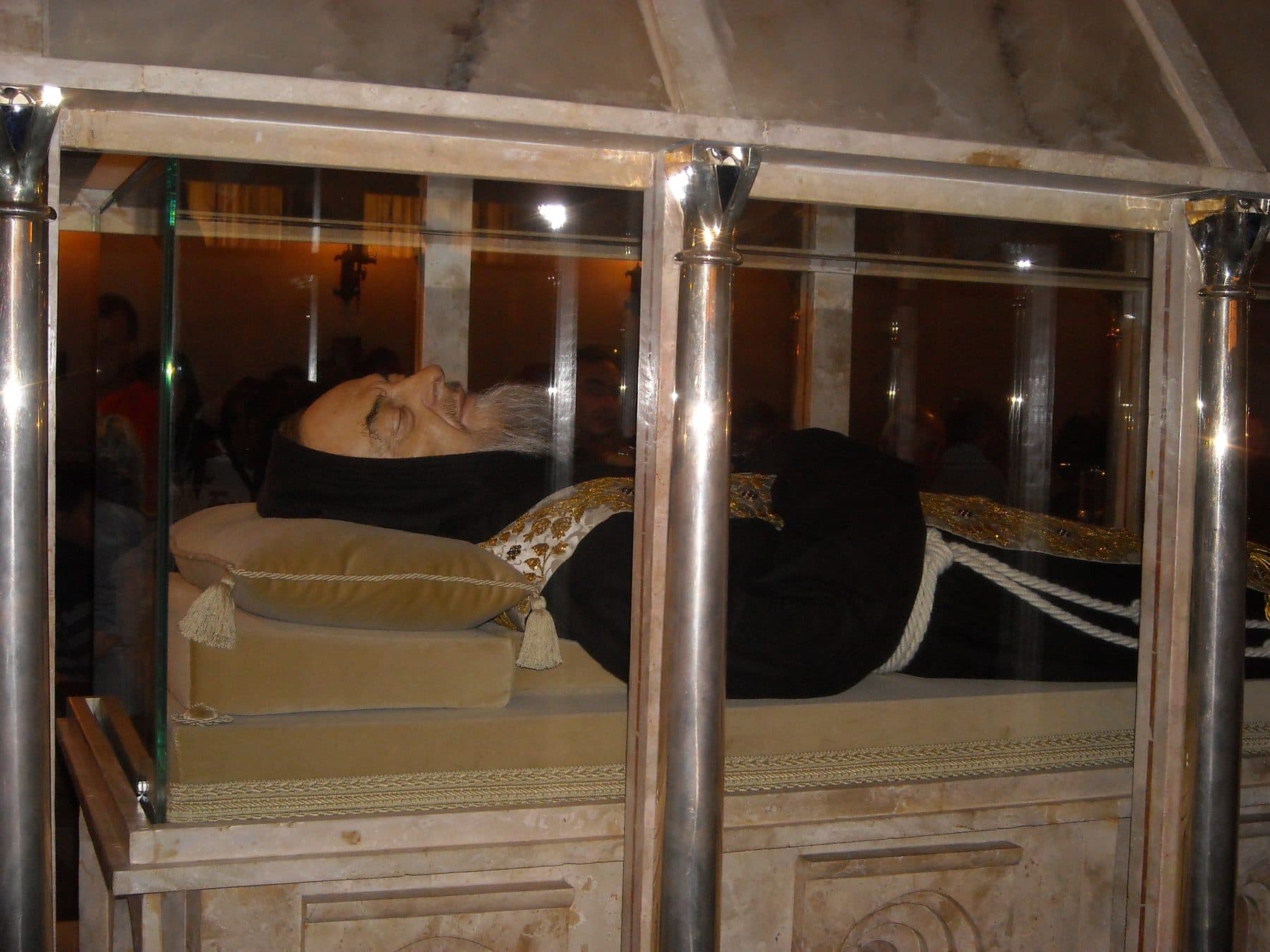
Padre Pio's body was exhumed in 2008, found in good condition, but chemical analysis revealed it had been treated with high-concentration formalin, creosote, benzoic acid, and turpentine — deliberate embalming, not miraculous preservation.
Padre Pio — Chemical Embalming, Not Incorruption
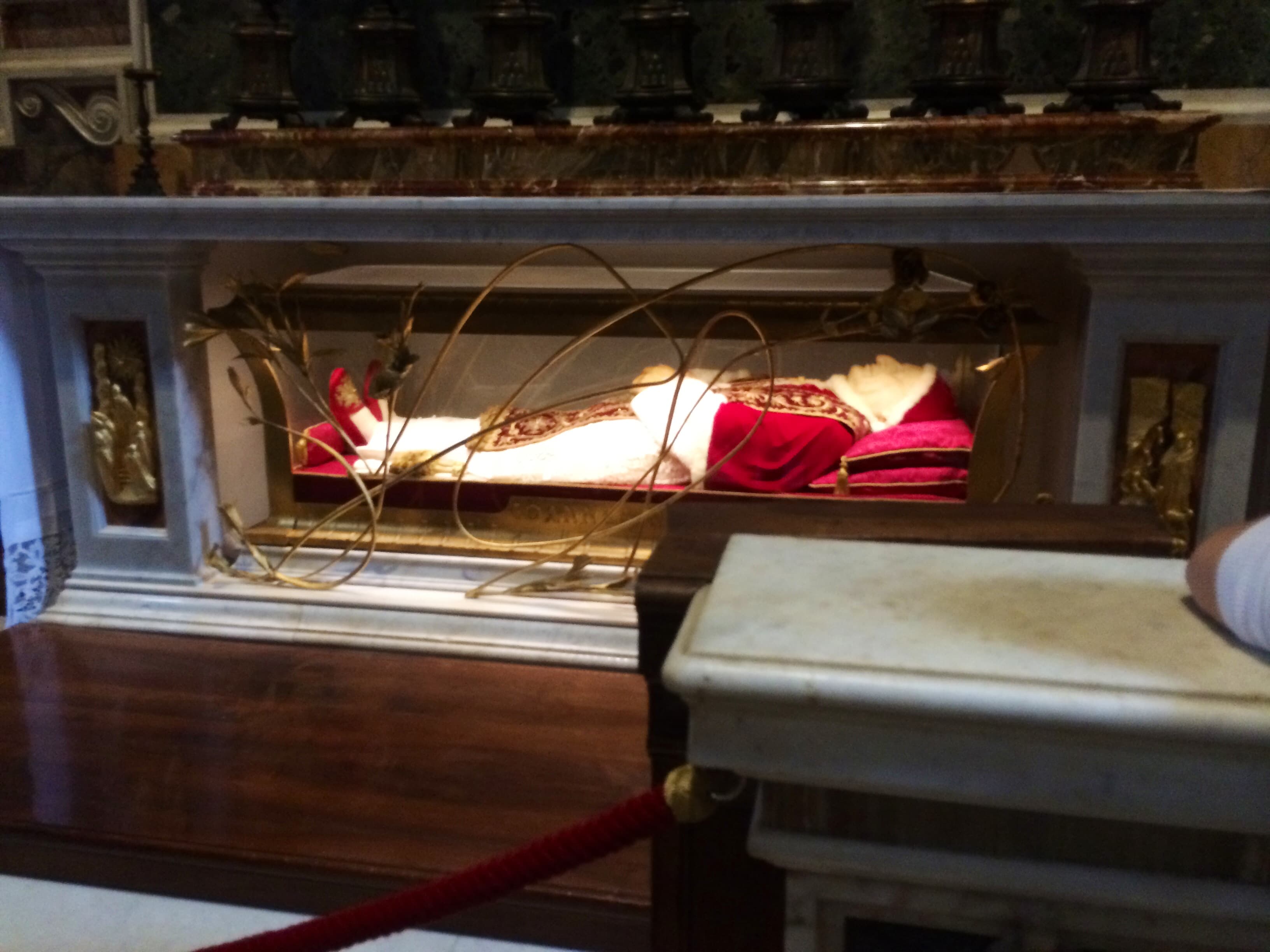
When John XXIII was exhumed in 2001 after 37 years, his face appeared intact and serene; the Vatican explicitly attributed this to embalming with formalin, hermetic sealing in multiple coffins, and Prof. Golia's proprietary preservation treatment — not to miracle.
Pope John XXIII — 'Remarkably Well Preserved,' Not Miraculous
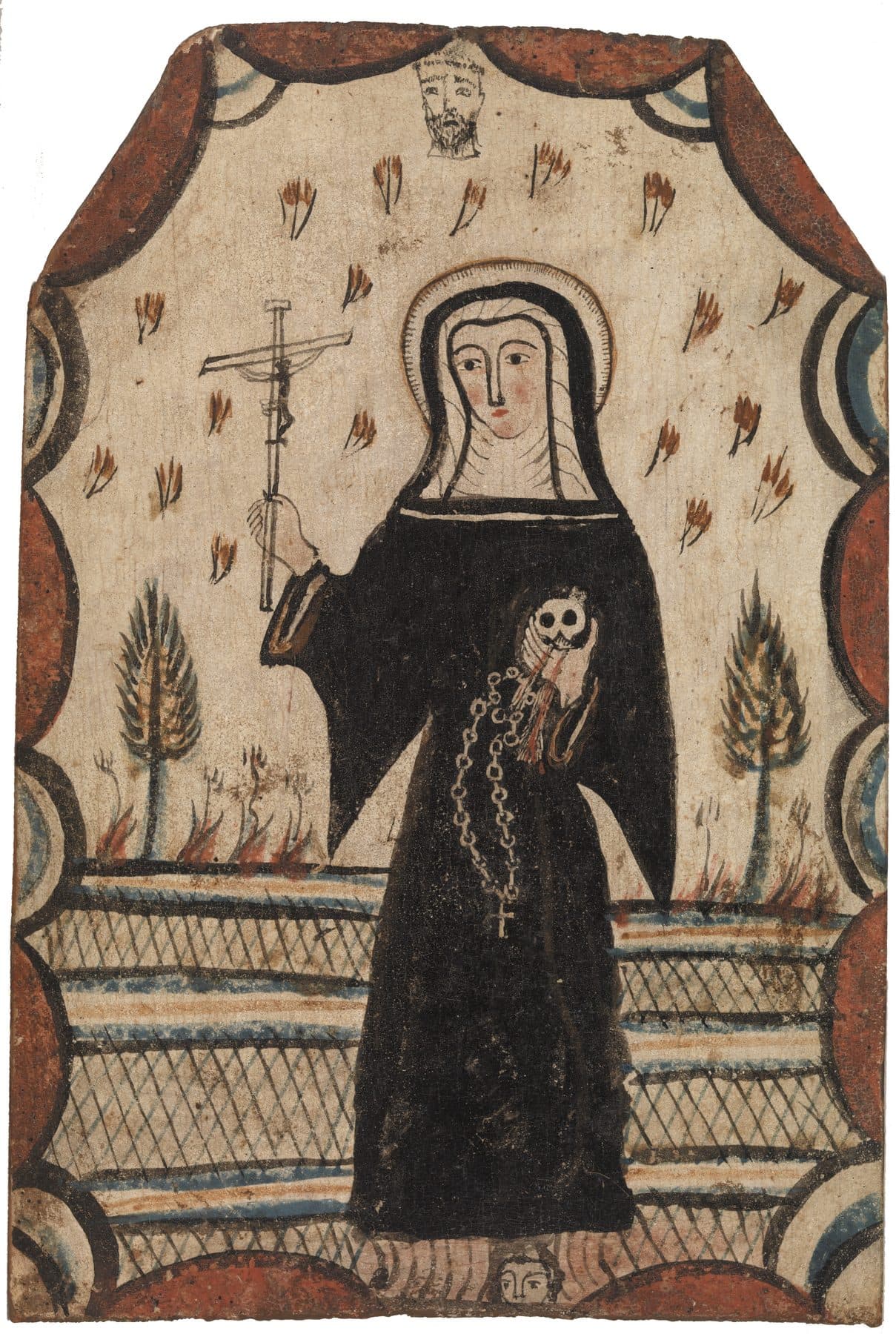
Rita of Cascia, patron of impossible causes, died in 1457; her body has been on display for nearly 600 years, with documented medical examinations in 1743 and 1892 noting repairs to the face using wax and string — indicating partial deterioration.
Saint Rita of Cascia — Six Centuries of Wax-Repaired Preservation
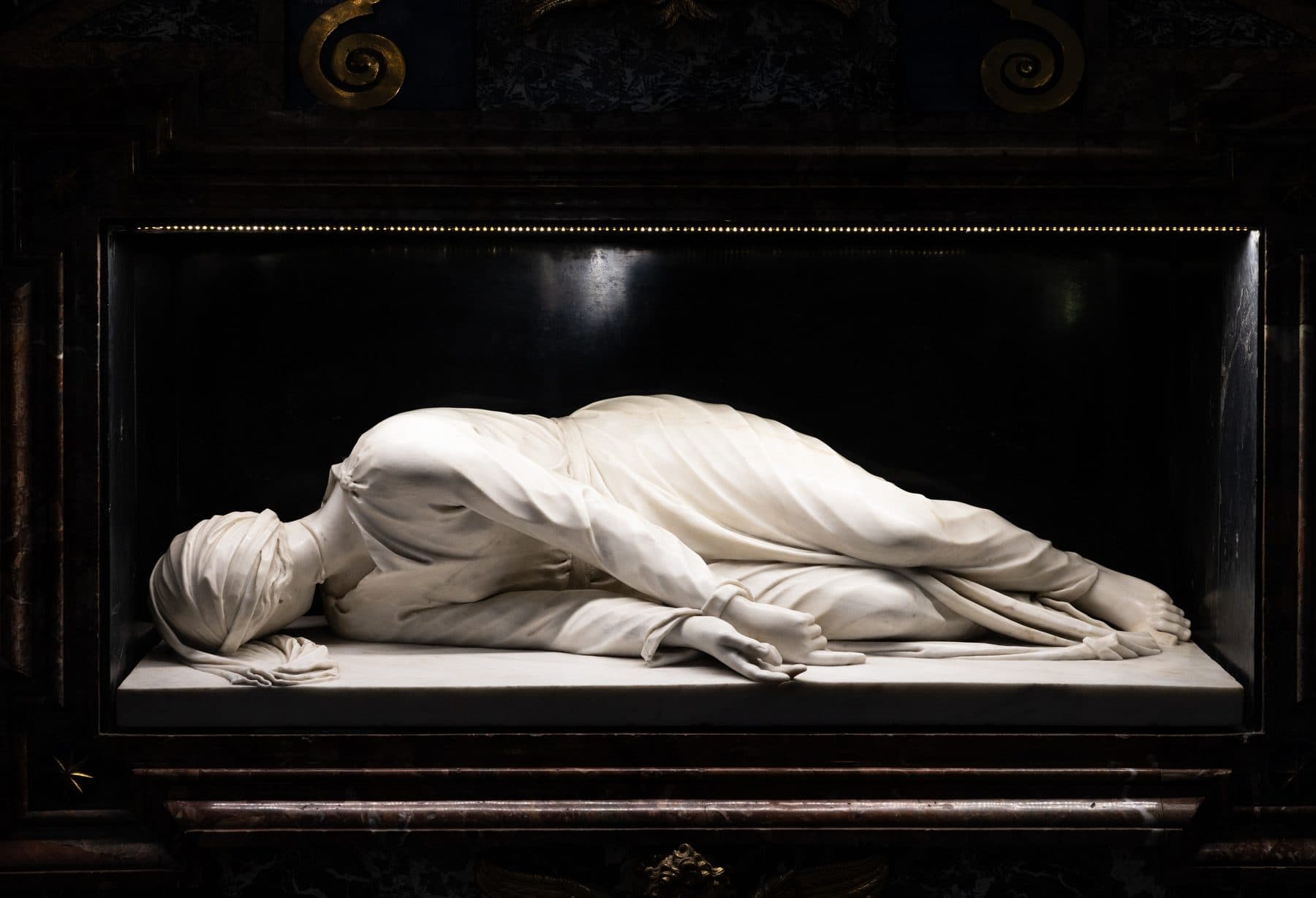
When a sarcophagus believed to contain Saint Cecilia was opened in 1599, witnesses reported finding a body in a distinctive position; sculptor Stefano Maderno created an exact marble replica — but no witness actually saw her face, and historians dispute the account.
Saint Cecilia — The 1599 Discovery and Maderno's Sculpture
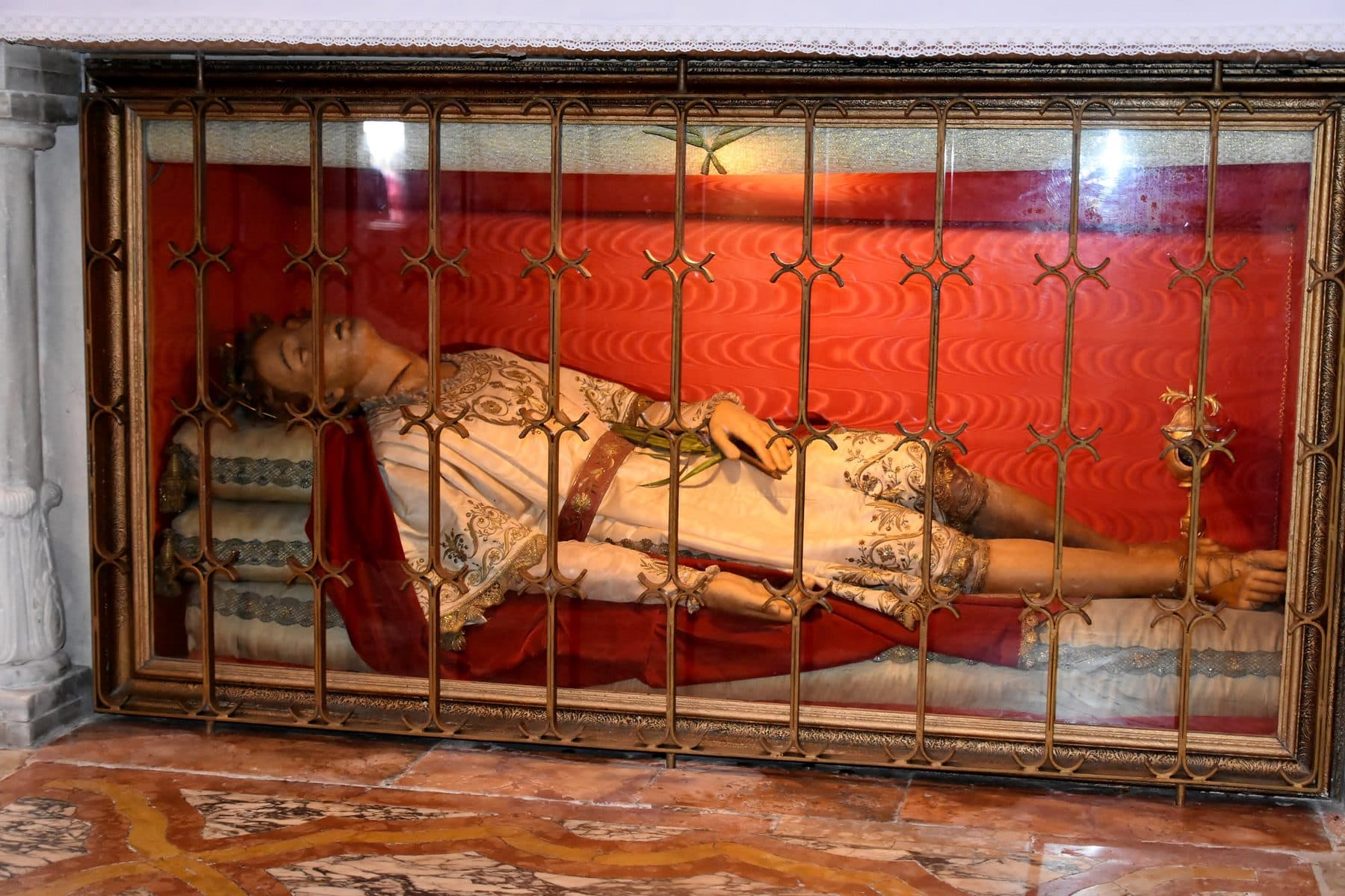
Silvan, claimed to be the oldest incorrupt body in the Catholic Church, is on display at a Croatian church; skeptical examination reveals the 'body' is a wax sculpture with painted features, glued-on eyebrows and wig, and artificially shallow nostrils and ear canals.
Saint Silvan — Oldest 'Incorrupt' Body Is Actually a Wax Sculpture
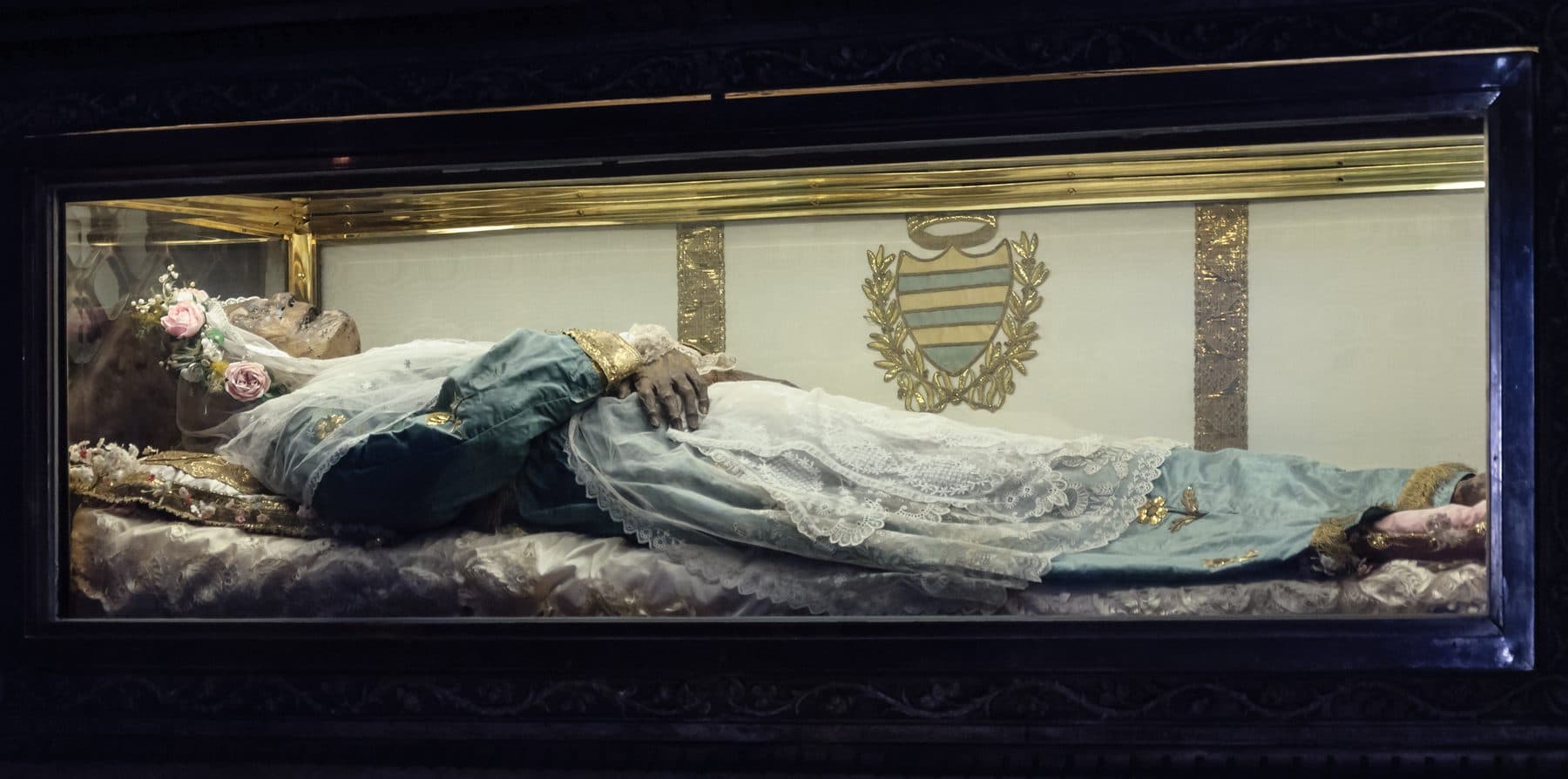
Zita of Lucca's body, exhumed and found incorrupt in 1580, has been on display in the Church of San Frediano for over 700 years; a 1988 University of Pisa examination confirmed it as a case of natural mummification, browned and wizened.
Saint Zita of Lucca — Natural Mummification After 700 Years
Archbishop John Maximovitch (1896-1966), canonized in 1994, was found with largely incorrupt remains at a 1993 exhumation in San Francisco — his face, hands, and beard visibly preserved 27 years after death.
The Incorrupt Relics of St. John Maximovitch of Shanghai and San Francisco
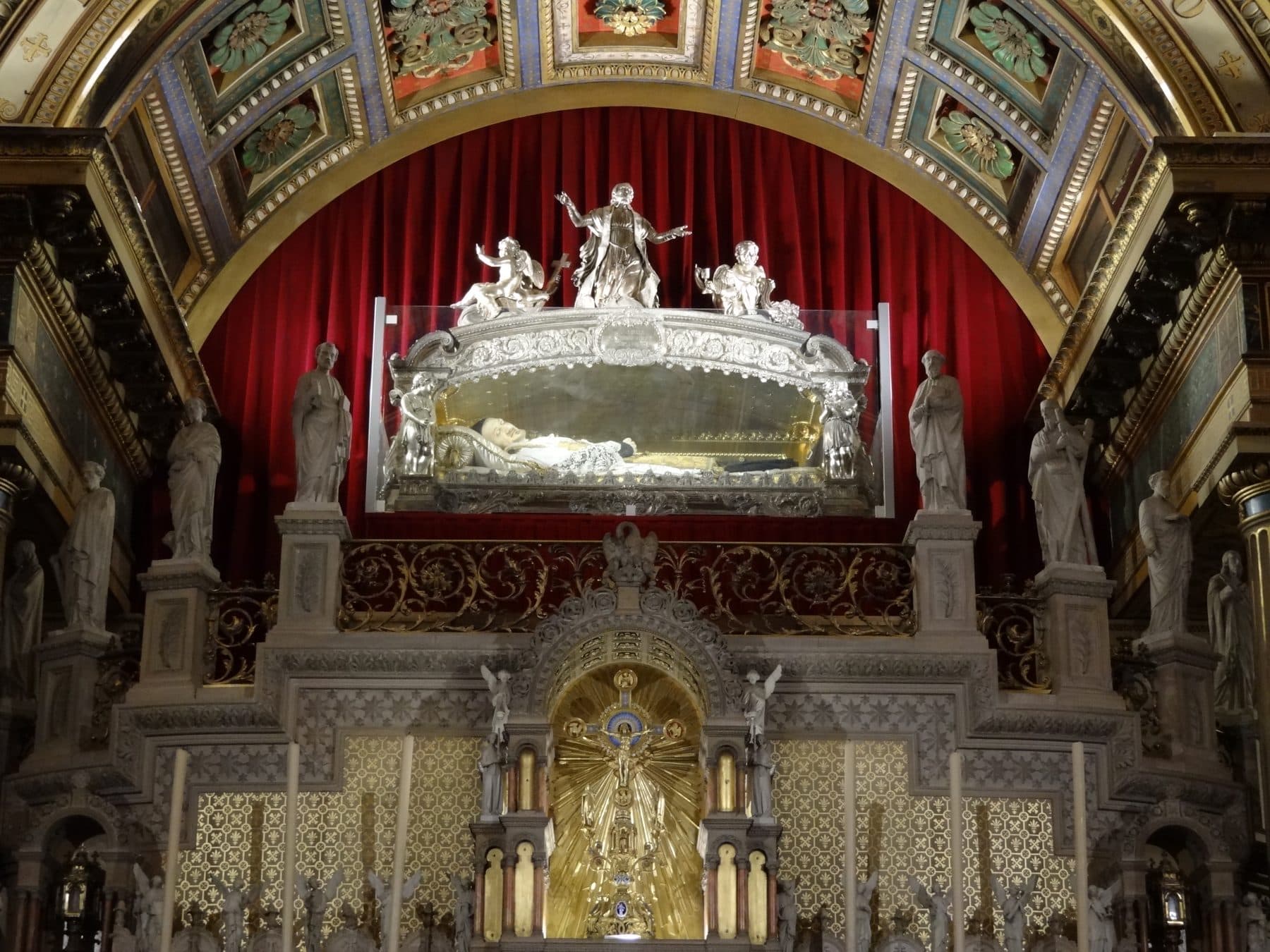
Vincent de Paul was briefly believed incorrupt, but flooding in the vault caused full decomposition; his disarticulated bones were reassembled by surgeons and are now encased inside a wax effigy at the Vincentian mother house in Paris.
Vincent de Paul — The Skeleton in a Wax Shell
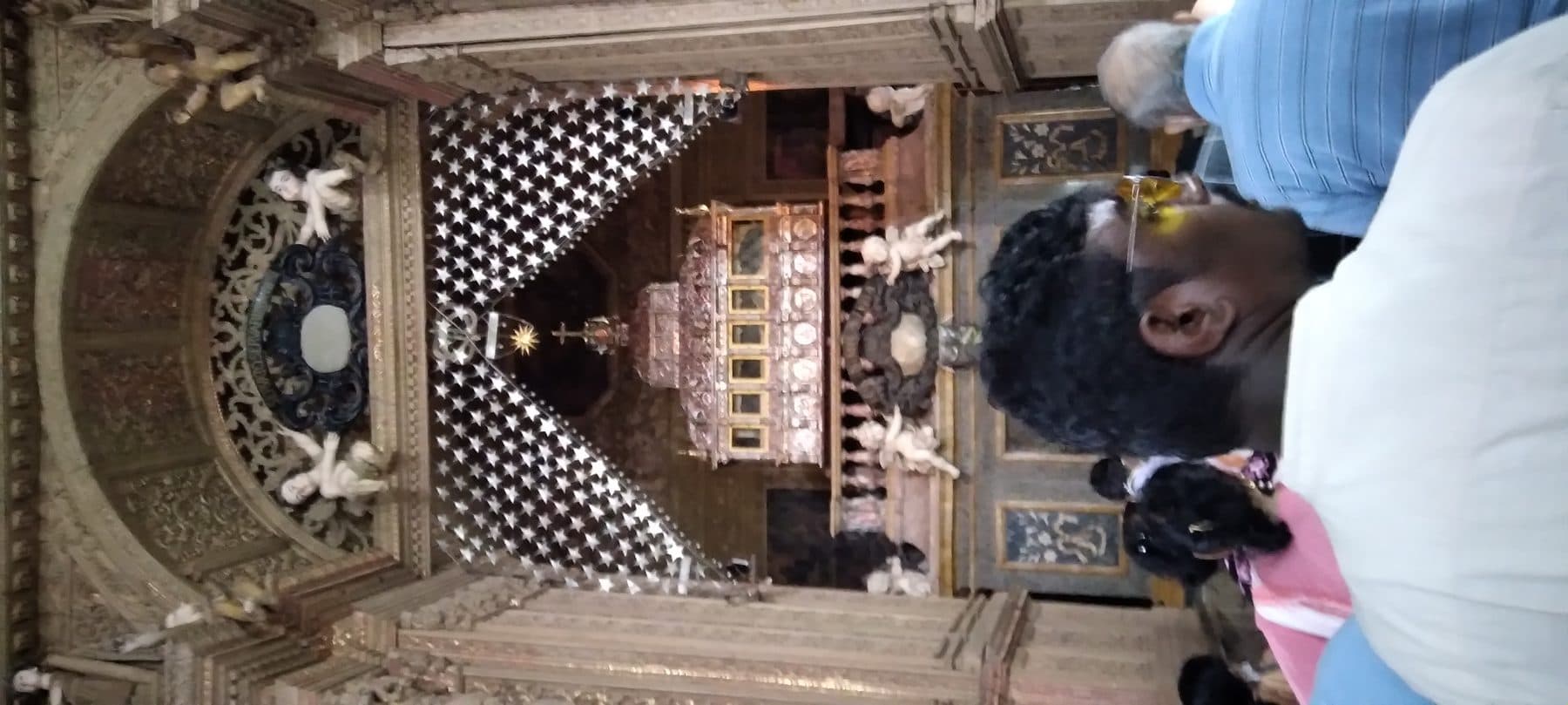
The body of Francis Xavier was declared incorrupt when returned to Goa in 1554, two years after his death, and remains on public display at the Basilica of Bom Jesus -- though the body has visibly deteriorated and lost limbs over centuries.