Miracles Jar
← Across Traditions

The same wonder, many faiths

Images That Weep, Bleed, and Stir

Statues that cry, icons that stream myrrh, a host said to turn to flesh, an idol that drinks the milk lifted to its lips. The claim is nearly identical from Rome to Pontus to a temple in Delhi — and so are the questions we ask of it.

21 claims across 4 traditions

The shared claim

An image, icon, or statue produced or took in a substance — tears, blood, oil, myrrh, milk — or moved or bore a mark said to have no natural source.

One claim, many sanctuaries

Across the Christian East and West — and, in its own idiom, far beyond them — the same wonder recurs: an image weeps, bleeds, exudes oil or myrrh, carries an impression no hand is said to have made, or, in the Hindu milk miracle that swept the world in 1995, a statue appears to drink the milk held up to it. The figure honored changes with the tradition; the shape of the report does not.

Because the claim is physical, it is the most testable kind we hold. A substance is either being produced or taken in, or it is not, and what is involved can be sampled, matched, and measured. That is why this shelf holds both the catalog's clearest frauds and a few of its genuinely open cases.

The same questions, the same rivals

Wherever the claim appears, the natural rivals are nearly identical: condensation and capillary wicking, surface tension drawing liquid onto stone (the leading account of the 1995 milk miracle), applied oils, pigment or pigmented bacteria such as Serratia marcescens, fungus from handling, and outright forgery. Where nothing is produced at all and the wonder is a face seen in a surface, the rivals shift to pareidolia and the drift of a story in the retelling.

None of these is specific to a religion. The chemistry of a hoax in one tradition is the chemistry of a hoax in another, which is exactly why comparing them is fair rather than rude.

Where they part ways

What separates a Civitavecchia — where the 'blood' was DNA-matched to a member of the household — from a case that stays open is not the tradition it belongs to. It is the documentation: who examined the object, under what controls, and with what result. Lined up together, the proven frauds and the genuinely unexplained sit on the same shelf, and the difference between them is the evidence, not the creed.
The same wonder, tradition by tradition

Grouped by the tradition that tells the story. Open any case to see how the same questions — what happened, and what the evidence will bear — are asked of it.

A note on coverage

These bands reflect the cases we have documented so far — not the reach of any tradition. A thin band is an invitation, not a verdict: if you know a well-sourced claim we are missing, please submit it to the queue. Secular and no-tradition cases are kept here too — the same wonder told without a creed, which is its own kind of comparison.

Catholic

14 cases
Disproven

For eight years, crowds gathered on a hillside above Lake Bracciano where Gisella Cardia said a statuette of the Virgin wept blood and delivered monthly messages; court-commissioned genetic testing found the traces on the statue matched Cardia's own DNA, the bishop ruled constat de non supernaturalitate in March 2024 with Vatican confirmation in June, and the Cardias were ordered to stand trial for fraud — while Cardia, through her lawyer, maintains her innocence.

signs·Trevignano Romano, Lazio, Italy

The Bleeding Madonna of Trevignano Romano — DNA, a Negative Ruling, and a Fraud Trial (2016–2024)

Disproven

The mysterious oil reported to exude from religious objects in the Worcester, Massachusetts, room of comatose Audrey Santo was chemically analyzed in 1998 and identified as approximately 80% corn and soybean oil combined with animal fat — commercial cooking oil components, not an unknown substance.

signs·Worcester, Massachusetts, USA

Audrey Santo's Weeping Oil: Laboratory Analysis Identifies Corn, Soybean, and Animal Fat

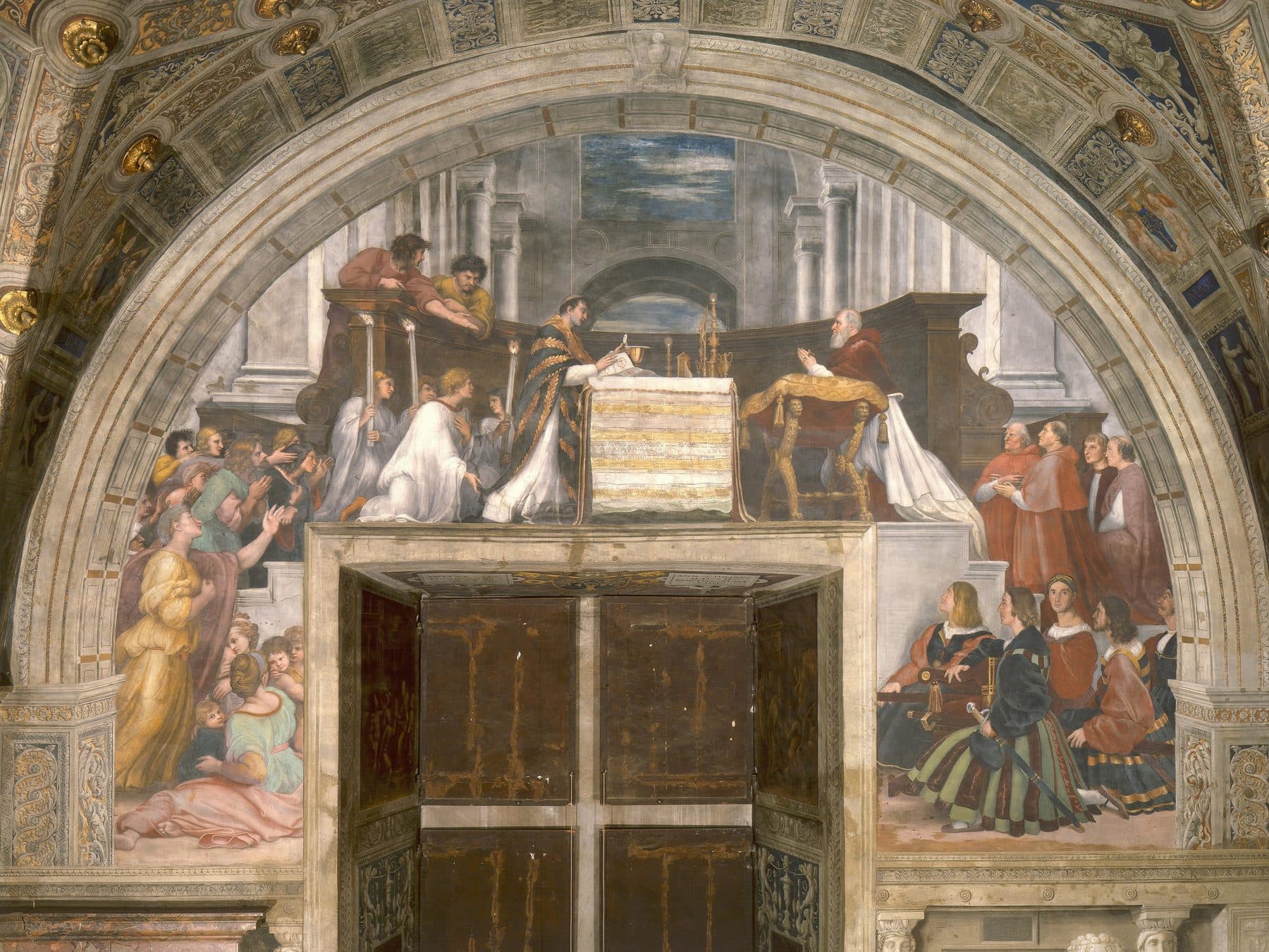
Raphael's Renaissance fresco of the Mass at Bolsena: Pope Julius II kneels at left as a priest at the altar witnesses the consecrated host bleed onto the corporal.
Unproven

A German priest celebrating Mass in Bolsena reportedly experienced a bleeding host that stained the corporal linen; the event allegedly prompted Pope Urban IV to institute the Feast of Corpus Christi.

eucharistic·Bolsena (miracle) and Orvieto (papal court), Italy

Eucharistic Miracle of Bolsena-Orvieto (1263)

Disproven

A hollow bronze Virgin Mary statue at Our Lady of Guadalupe parish in Hobbs, New Mexico, appeared to weep an olive-oil-like substance in 2018, prompting a formal Diocese investigation that confirmed the liquid was rose-scented olive oil.

signs·Our Lady of Guadalupe Church, Hobbs, New Mexico, USA

Hobbs, New Mexico Weeping Virgin Mary (2018)

Disproven

An Italian statue of the Virgin Mary reported to weep blood in 1995 was investigated by forensic scientists; the blood was typed as male, the statue's owner refused DNA testing, and a subsequent Italian trial established a church custodian had applied blood to a different statue using his own blood.

signs·Civitavecchia, Italy

The Weeping Madonna of Civitavecchia: Blood Matched to a Local Man's DNA

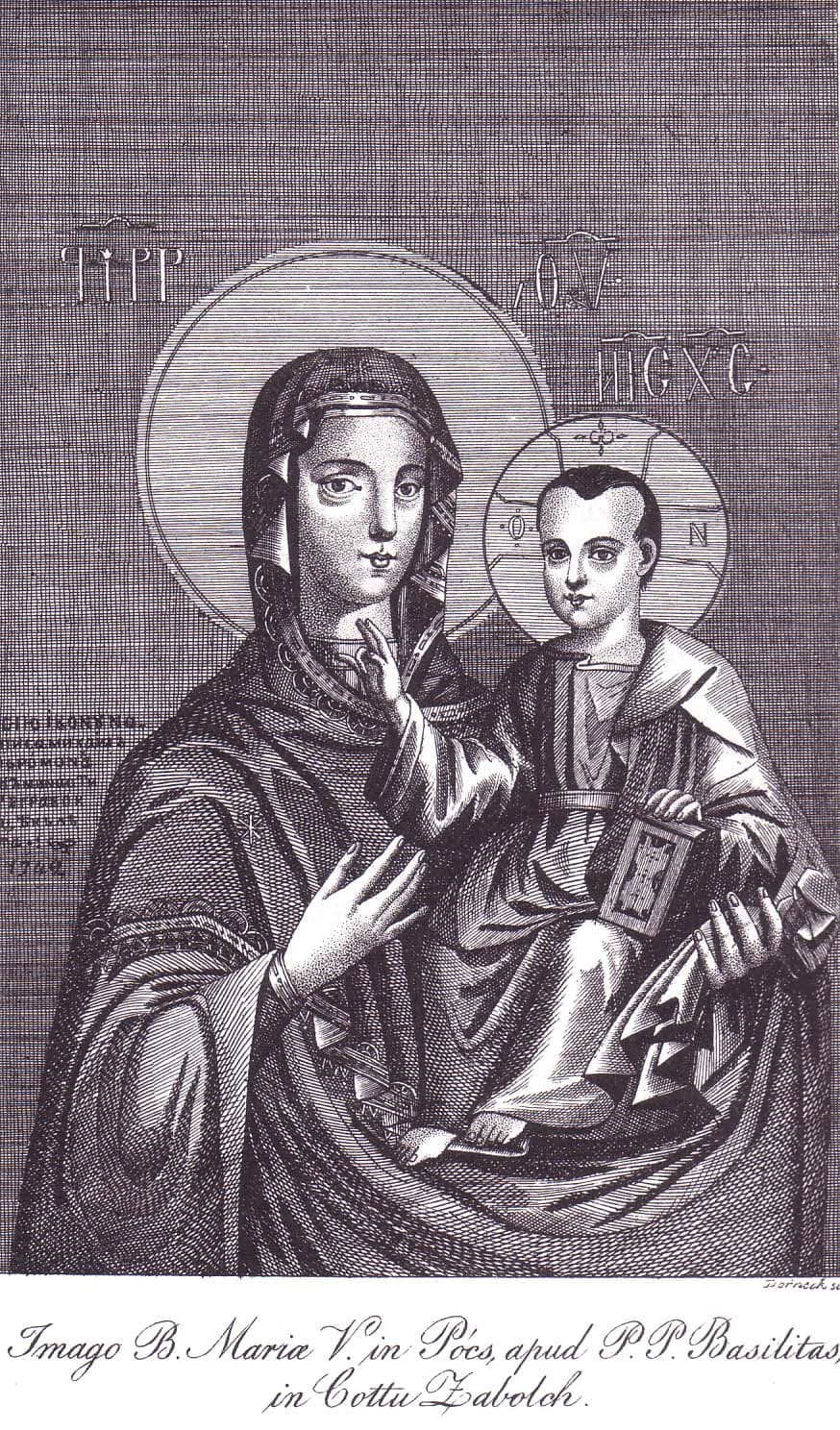
An 1836 engraving of the Máriapócs weeping icon of the Theotokos — the Mother of God holding the Christ Child in the Byzantine Hodegetria style.
Explained

A Byzantine Greek Catholic icon of the Virgin Mary in Máriapócs, Hungary wept visibly for eleven days in November–December 1696, witnessed by large crowds and authenticated by a mixed committee of Catholic, Protestant, and Jewish investigators; it wept again in 1715 and 1905.

signs·Máriapócs, Szabolcs-Szatmár-Bereg County, Hungary

The Máriapócs Weeping Icon

Unproven

From 1973 to 1981 in Akita, Japan, a wooden statue of Mary in a convent reportedly wept, bled, and perspired on 101 occasions, with fluids analyzed by a forensic specialist as human in origin.

apparition·Institute of the Handmaids of the Eucharist, Akita, Japan

Our Lady of Akita (Weeping and Bleeding Statue)

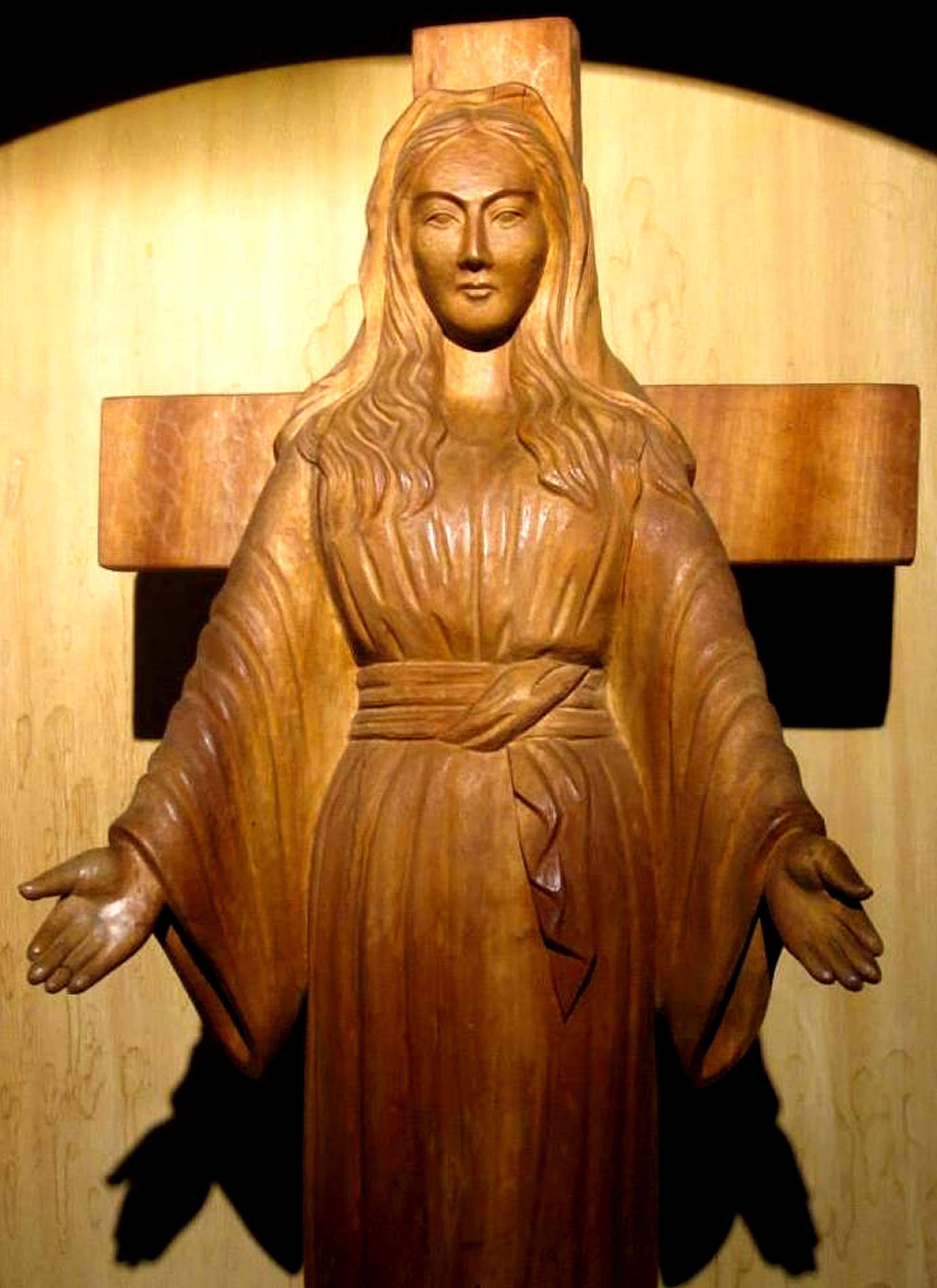
The carved light-wood statue of Our Lady of Akita with open hands, standing before a wooden cross at the convent in Akita, Japan.
Unproven

A wooden statue of the Virgin Mary at the Institute of the Handmaids of the Eucharist in Akita, Japan wept on 101 documented occasions between 1973 and 1981, with tears and blood analyzed as human biological fluids; Bishop Ito approved veneration in 1984.

signs·Yuzawadai, Akita City, Japan

Our Lady of Akita: Weeping Wooden Statue

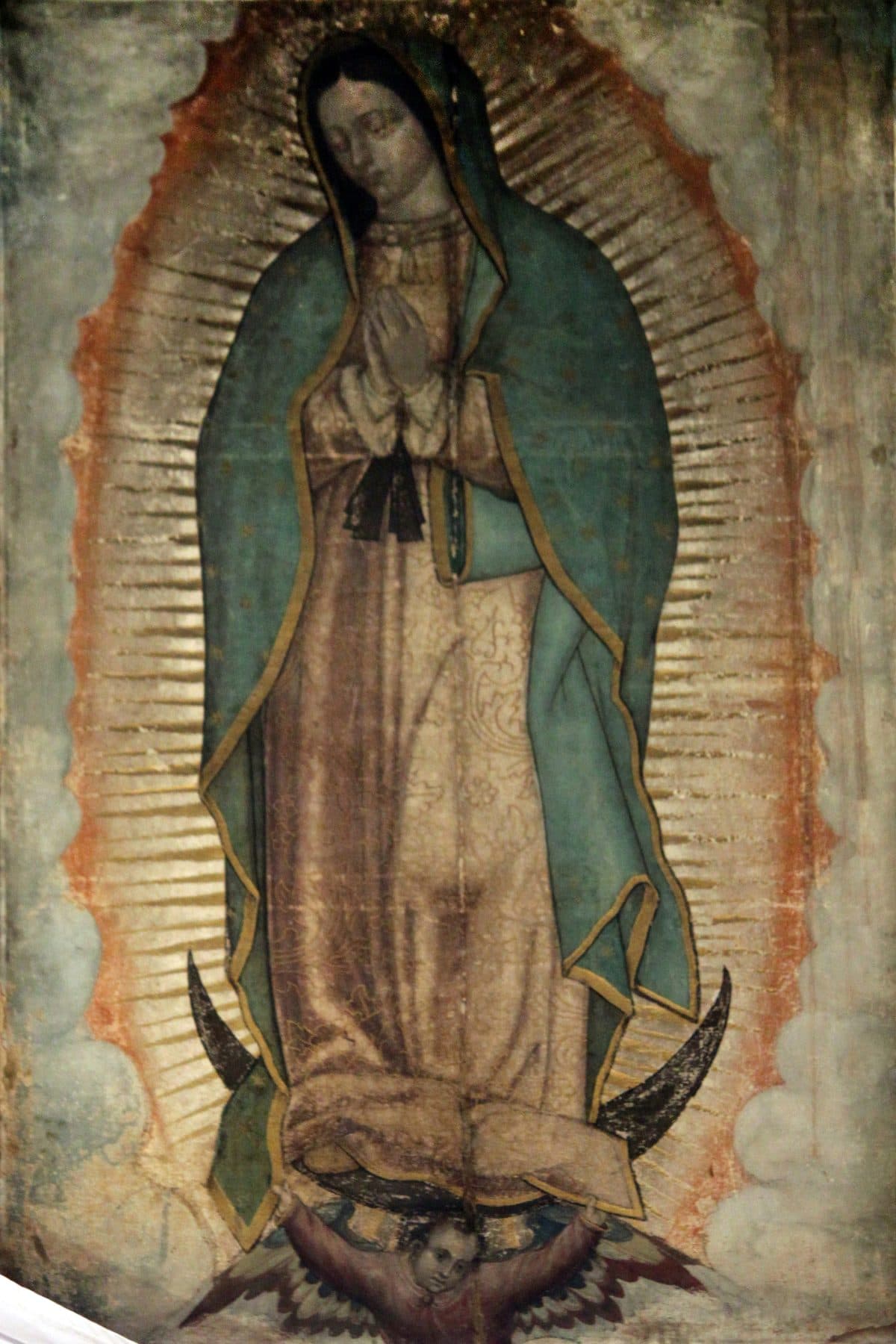
The image of Our Lady of Guadalupe on the tilma of Juan Diego, the venerated cloak preserved at the Basilica of Guadalupe in Mexico City
Unproven

In 1531, a Marian image allegedly appeared miraculously on the cloak of indigenous convert Juan Diego in Mexico City, producing an artifact still venerated nearly 500 years later.

apparition·Tepeyac Hill, Mexico City, Mexico

Our Lady of Guadalupe (The Tilma of Juan Diego)

Disproven

A subset of Guadalupan claims holds that magnified examination of the tilma image's eyes reveals a reflected scene of thirteen or more identifiable people — evidence of a supernaturally accurate image that would have required a living eye to produce.

apparition·Basilica of Our Lady of Guadalupe, Mexico City, Mexico

The Tilma's Eyes: Reflected Figures Claim

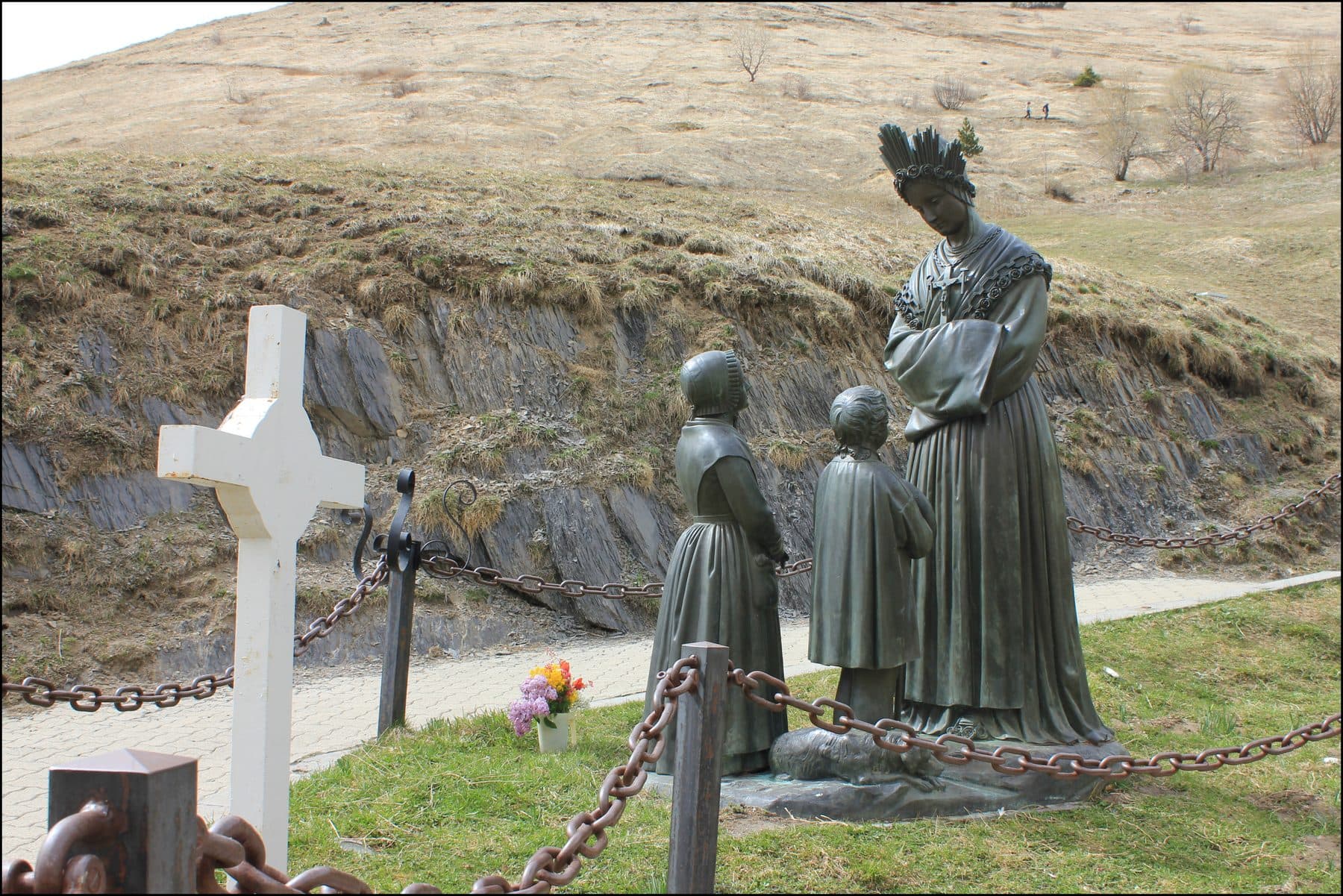
The bronze statue group at the La Salette apparition site in the French Alps: the weeping Virgin Mary addressing the two shepherd children, with a white cross alongside.
Explained

On September 19, 1846, two young French shepherd children reported a weeping apparition on a mountain near La Salette who delivered a message of penance; the event was approved by the Church in 1851 but subsequently complicated by the visionaries' divergent later claims.

apparition·La Salette-Fallavaux, Isère, France

Our Lady of La Salette

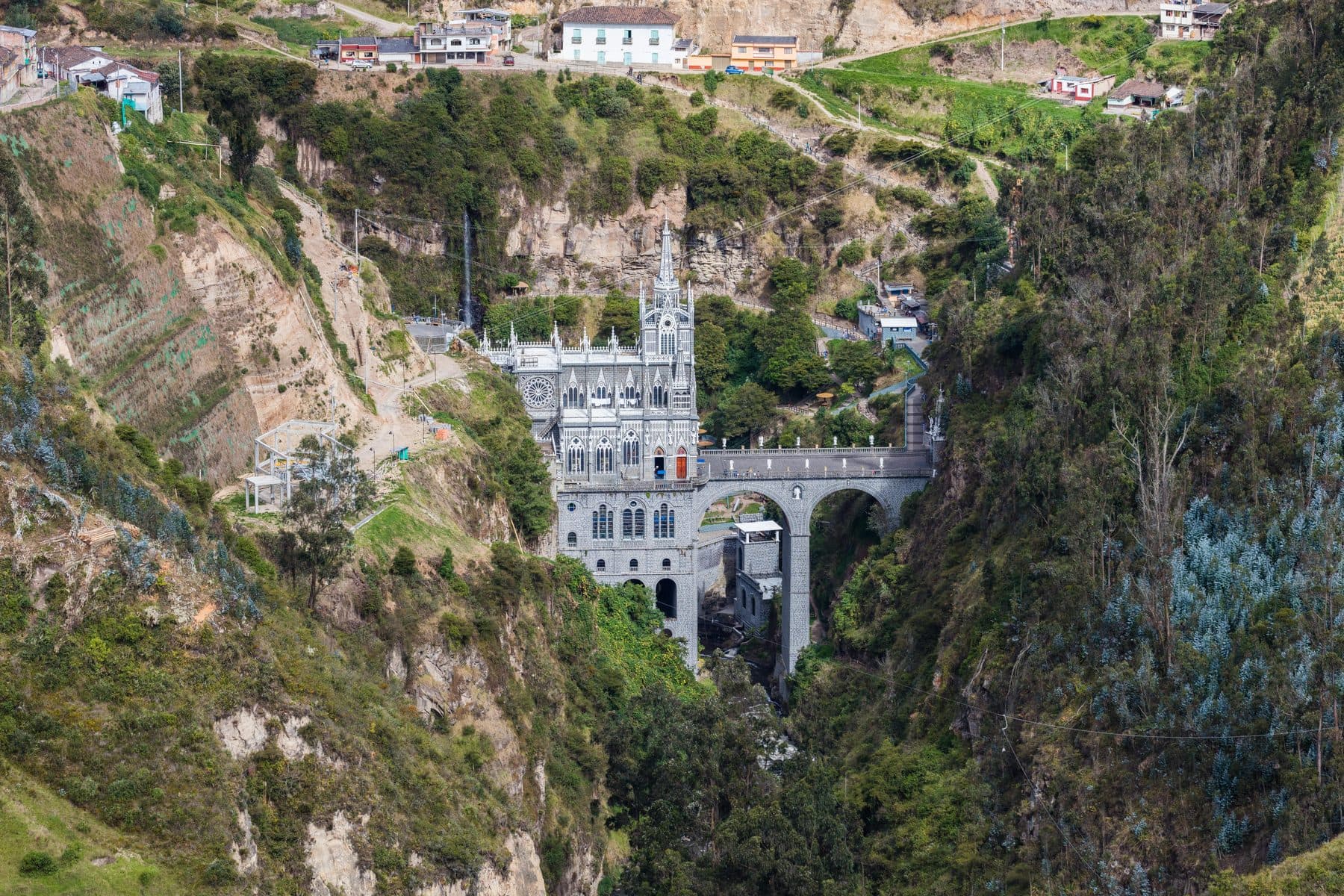
The Las Lajas Sanctuary, a neo-Gothic basilica built into a river gorge near Ipiales, Colombia, home of the image said to have appeared on the rock in 1754
Unproven

A devotional image of the Virgin Mary is embedded in a rock face in the Guaitara River canyon in Colombia, reportedly appearing miraculously in 1754; geological analysis claims the pigment penetrates meters into the stone.

apparition·Guaitara River Canyon, near Ipiales, Nariño, Colombia

Our Lady of Las Lajas (Miraculous Image in Stone)

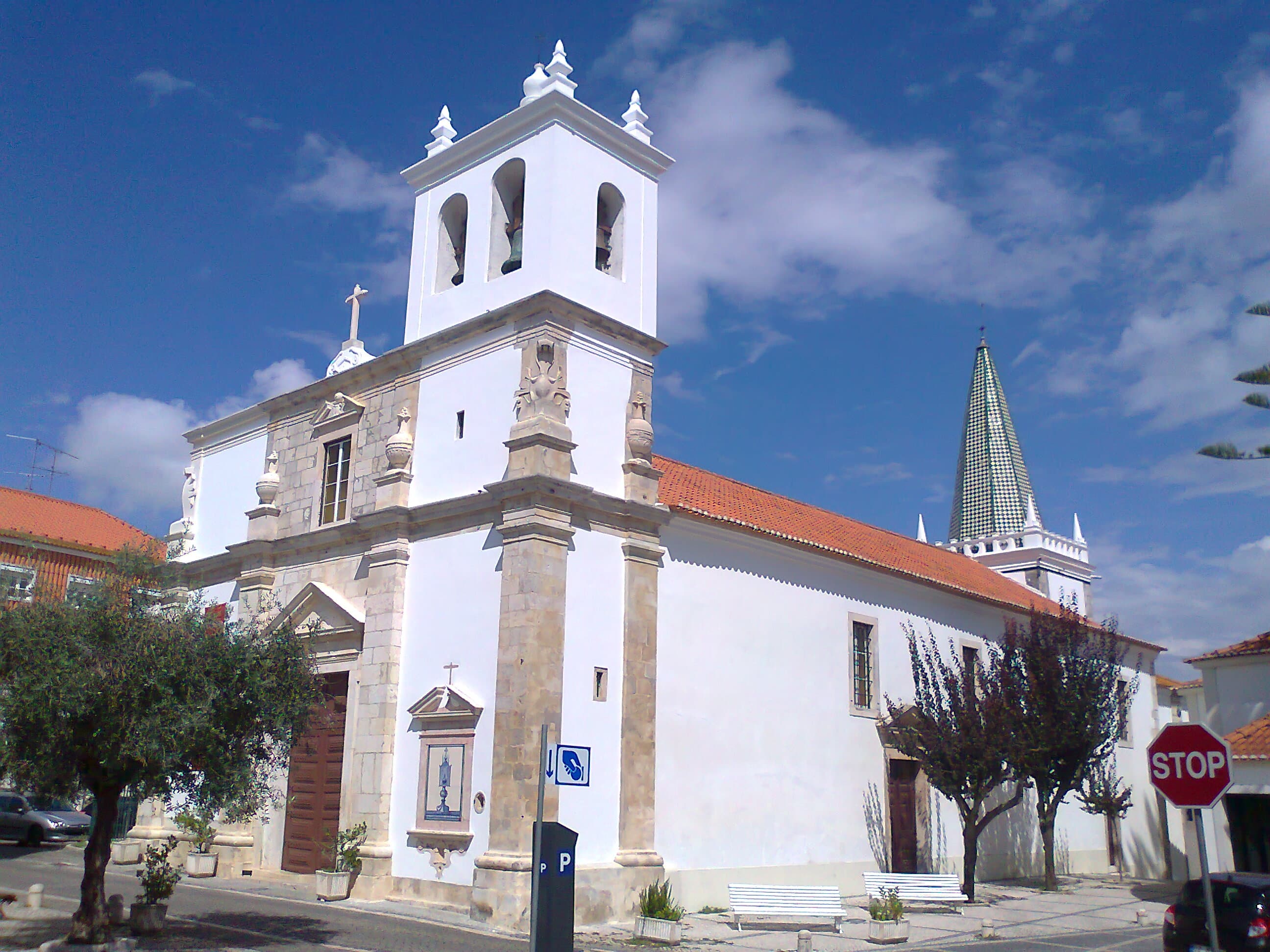
The Church of the Holy Miracle (Igreja do Santíssimo Milagre) in Santarém, Portugal, which houses the relic of the 1247 Eucharistic miracle
Unproven

A 13th-century account describes a consecrated host stolen for a sorceress beginning to bleed, leading to its veneration in Santarém, Portugal, where it is still displayed in a crystal reliquary.

eucharistic·Santarém, Portugal

Eucharistic Miracle of Santarém

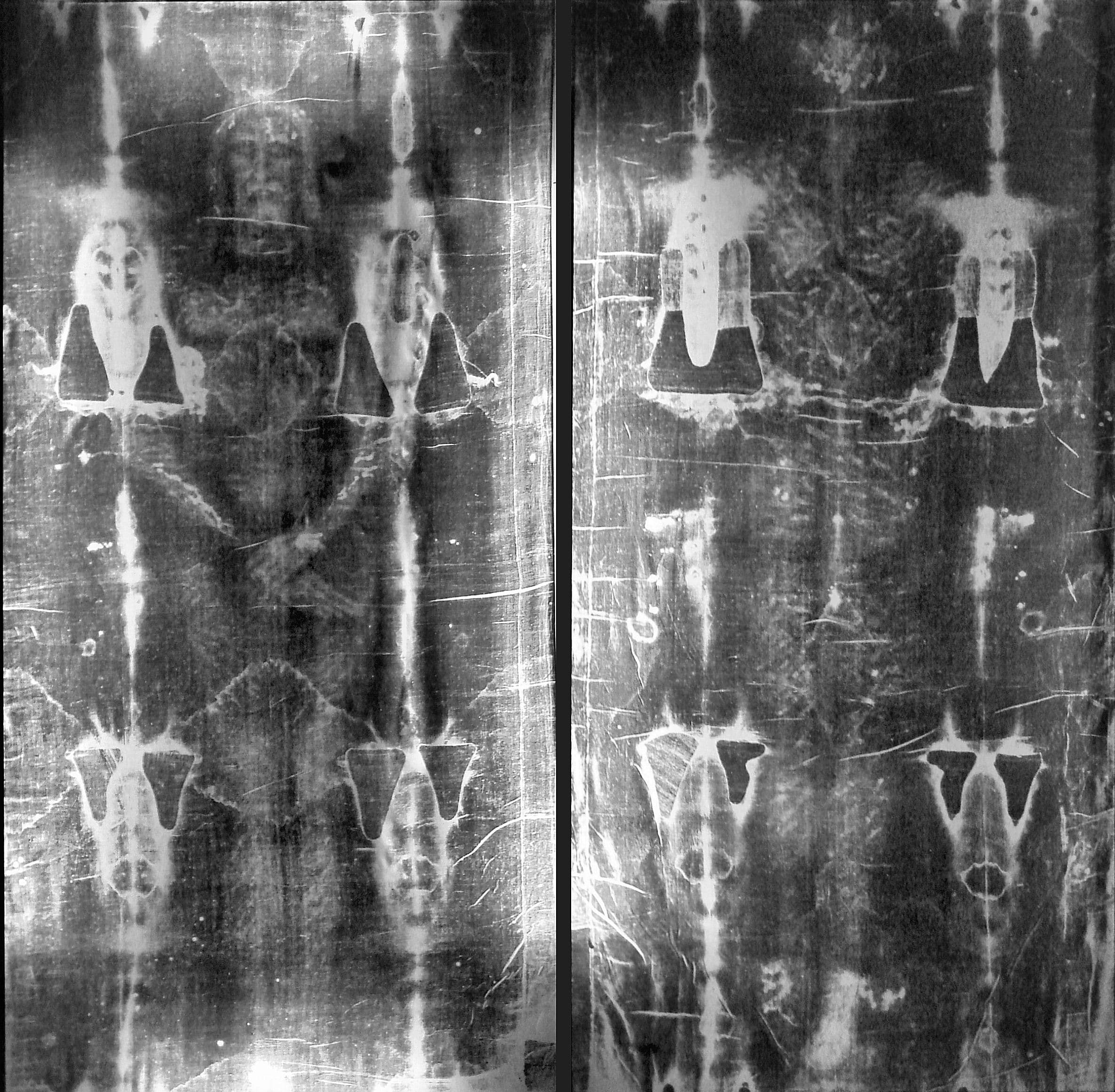
Full-length front-and-back photographic negative of the Shroud of Turin, showing the faint image of a crucified man — the form in which the body and face are most clearly visible.
Silver

A ~14-foot linen cloth in Turin's cathedral bearing the faint front-and-back image of a crucified man. A 1988 radiocarbon test dated a corner to the Middle Ages; that date is now genuinely contested, and nobody has reproduced how the image formed.

relics·Turin, Italy

The Shroud of Turin

Orthodox Christian

5 cases
Unproven

In October 2007, a reproduction of the Iveron icon belonging to an Orthodox couple in Kailua, Hawaii began streaming fragrant oil and was recognized by the Russian Orthodox Church as miraculous the following year.

signs·Kailua, Hawaii, USA; subsequently Holy Theotokos of Iveron Church, Hawaii

The Hawaiian Iveron Myrrh-Streaming Icon (2007)

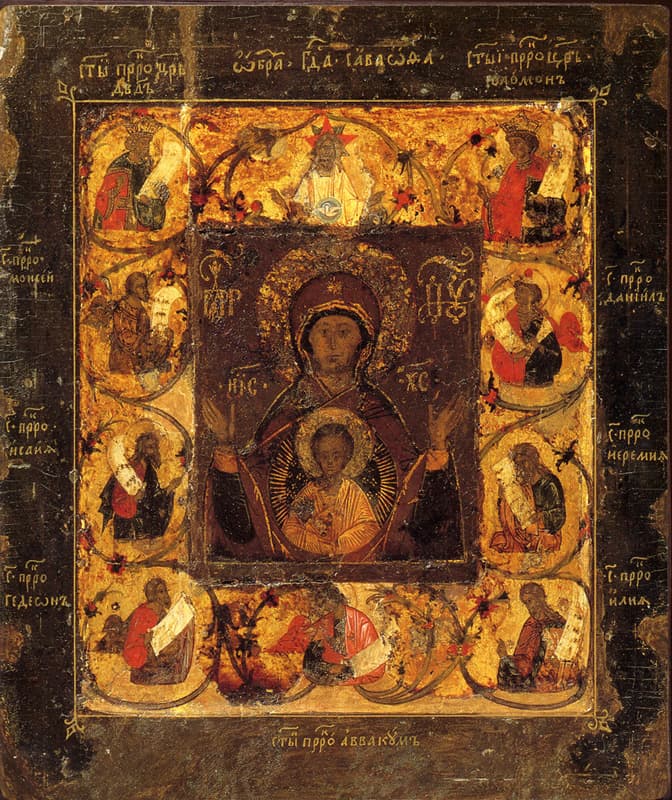
The Eastern Orthodox Kursk Root Icon of the Sign: the Virgin Mary in the orans pose with the Christ Child, surrounded by Old Testament prophets.
Explained

Russia's most-traveled wonder-working icon, the 13th-century Kursk Root Icon of the Sign, survived a 1898 bomb blast that destroyed its iron canopy and marble pedestal while leaving the icon and its glass untouched.

signs·Originally Kursk, Russia; now Synodal Cathedral of the Russian Orthodox Church Outside Russia, New York City

The Kursk Root Icon of the Sign — Survival, Travels, and Diaspora

Unproven

A reproduction of the Iveron icon, entrusted to Chilean-Canadian Orthodox layman Jose Munoz-Cortes in Montreal in 1982, reportedly streamed fragrant myrrh almost continuously for 15 years until its guardian was murdered and the icon vanished.

signs·Montreal, Canada; traveled worldwide 1982-1997

The Montreal Iveron Myrrh-Streaming Icon and Brother Jose Munoz-Cortes

Unproven

Hundreds of Orthodox Christian icons have reportedly streamed myrrh-like oil since the late twentieth century, with clusters in Russia, North America, and Greece; scientific explanations include capillary action, oil condensation, and deliberate application, though none fully account for all reported cases.

signs·Russia, USA, Greece, and worldwide

Myrrh-Streaming Orthodox Icons: The Modern Phenomenon

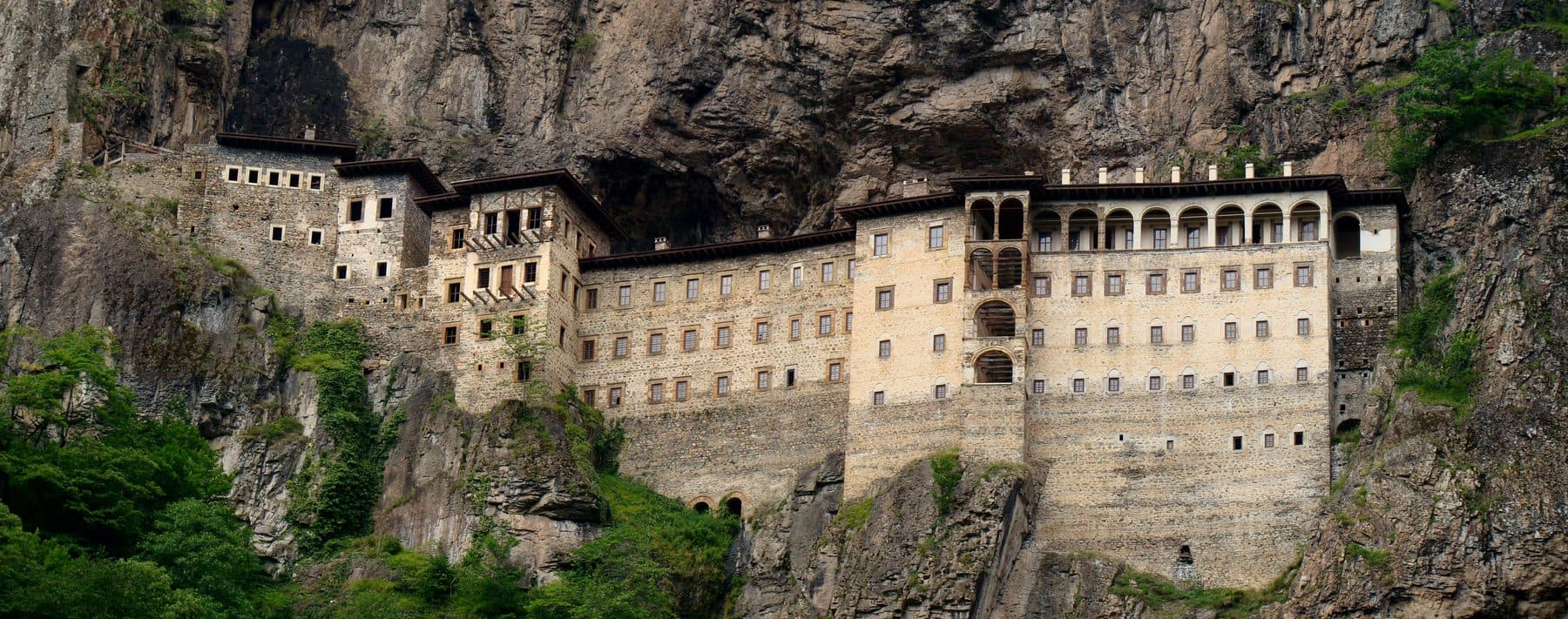
The stone Sumela Monastery built into a sheer forested cliff face high above the Altındere valley near Trabzon, Turkey — home of the Panagia Soumela icon.
Unproven

The icon central to Pontic Greek Orthodox identity, attributed by tradition to St. Luke the Evangelist, was secretly buried by monks in 1923 at the time of the Lausanne population exchange and successfully recovered and transferred to Greece in 1931.

signs·Originally Sumela Monastery, Trabzon, Turkey; now Nea Soumela Monastery, Veria (Veroia), Greece

The Panagia Soumela Icon — Exile, Concealment, and Recovery

Muslim

1 case

Hindu

1 case