Miracles Jar
← Across Traditions

The same wonder, many faiths

When a Figure Appears

A woman in white above a grotto, a saint at the foot of the bed, the dead returning in a vision, a shape that empties a city's streets in fear. The report of an apparition is one of the oldest and most cross-cultural of all wonders — and not every figure that appears is a gentle one.

21 claims across 4 traditions

The shared claim

One or more witnesses report seeing — and sometimes hearing — a figure who was not physically present: a holy presence, the dead, or a vision.

The oldest wonder, retold everywhere

An appearance is reported in nearly every tradition: the Virgin above Lourdes and Fátima, a saint or the dead returning in a vision, angels over a battlefield, and — at the other end of the feeling — figures that arrive as dread rather than comfort. The figure changes with the witness; the structure of the report is remarkably constant.

That constancy is worth seeing in one place. It tells you something about human perception and longing — and fear — that no single apparition, read in isolation, can.

What an appearance can — and can't — leave behind

An apparition is, by its nature, a testimony claim: it lives in what witnesses say they saw. That makes the witnesses everything — how many, how independent, how consistent, how exposed to expectation and suggestion, and whether anything checkable was left behind afterward: a healing, an image, a prediction that later resolved.

The natural rivals here are misperception and the way honest accounts drift in retelling, and the powerful effect of expectation — or panic — in a charged, shared setting. Neither requires anyone to be lying.

Graded by the report, not the creed

We do not ask whether the Virgin, a saint, or a god is real — that is not a question evidence can reach. We ask what the evidence for the report will bear. A private vision with no corroboration sits differently from one followed by a mass-witnessed event or a documented, otherwise-unexplained cure. The same standard is applied whoever, or whatever, is said to have appeared.
The same wonder, tradition by tradition

Grouped by the tradition that tells the story. Open any case to see how the same questions — what happened, and what the evidence will bear — are asked of it.

A note on coverage

These bands reflect the cases we have documented so far — not the reach of any tradition. A thin band is an invitation, not a verdict: if you know a well-sourced claim we are missing, please submit it to the queue. Secular and no-tradition cases are kept here too — the same wonder told without a creed, which is its own kind of comparison.

Catholic

12 cases
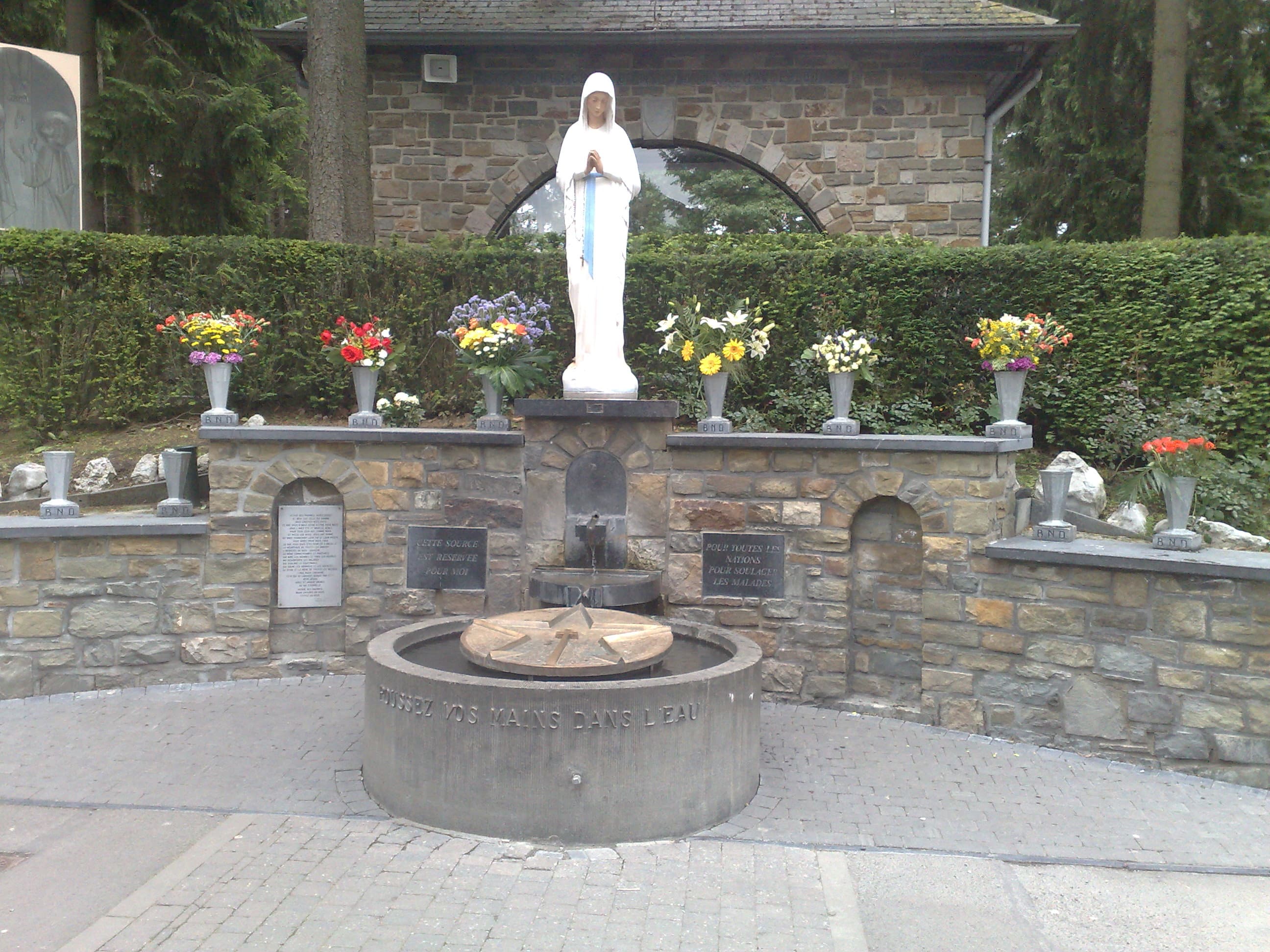
The stone statue of Mary, Virgin of the Poor, above the small spring at the Banneux sanctuary, Belgium — focal point of the 1933 apparitions.
Unproven

In January–March 1933, eleven-year-old Mariette Beco of Banneux, Belgium, reported eight apparitions of the Virgin Mary who identified herself as 'the Virgin of the Poor' and directed her to a spring 'for all nations.'

apparition·Banneux, Liège Province, Belgium

Our Lady of Banneux (Virgin of the Poor)

The statue of Our Lady of Beauraing (the Virgin with the Golden Heart), robed in white with hands joined, at the Beauraing shrine, Belgium.
Explained

Between November 1932 and January 1933, five Belgian children reported 33 apparitions of the Virgin Mary appearing above a hawthorn tree near a convent school in Beauraing, Belgium.

apparition·Beauraing, Namur Province, Belgium

Our Lady of Beauraing (The Golden Heart)

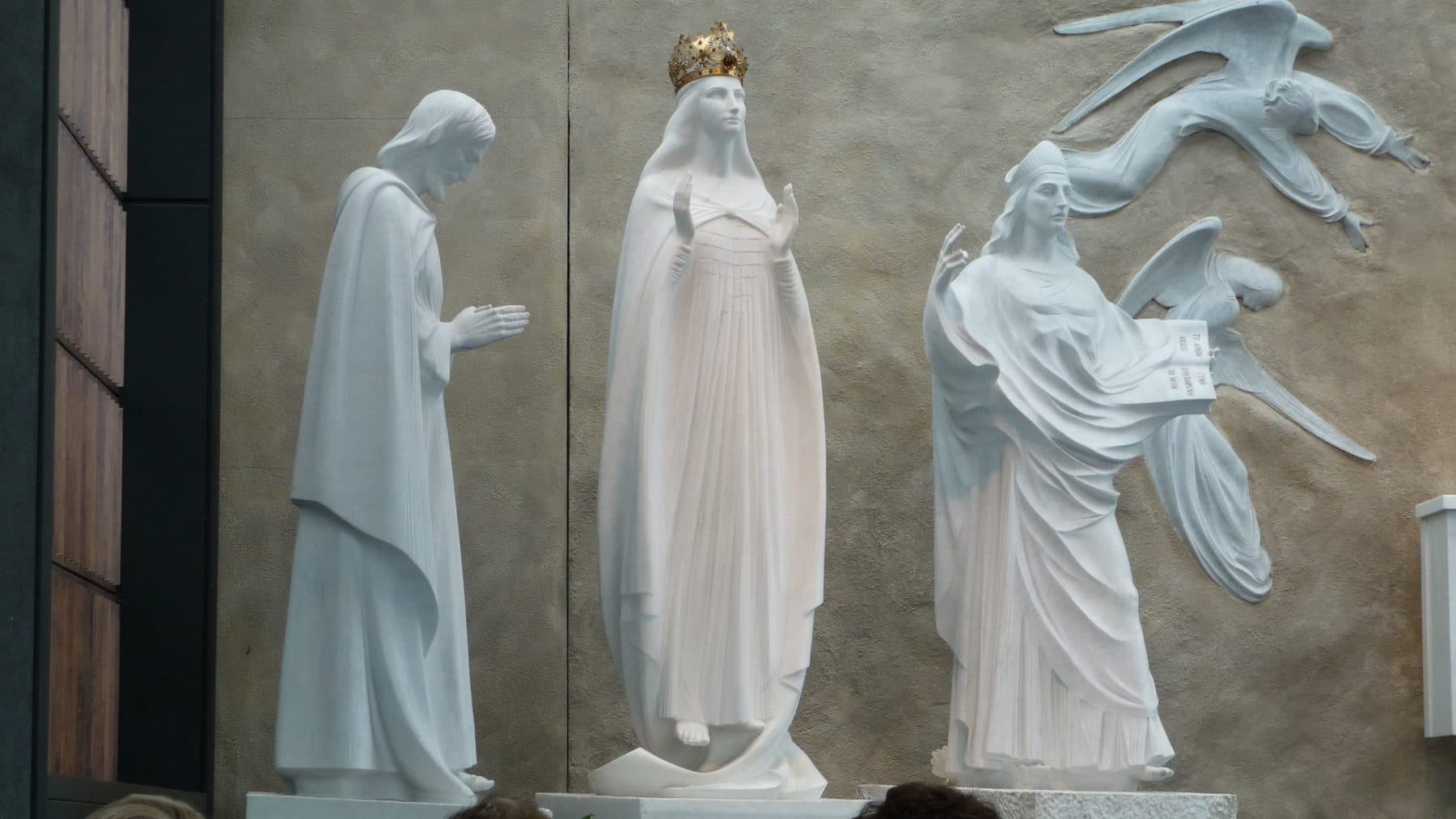
Closeup of the white marble statuary in the Apparition Chapel at Knock Shrine, County Mayo, depicting figures from the 1879 apparition.
Explained

On August 21, 1879, fifteen witnesses in Knock, Ireland, reported seeing a silent tableau of the Virgin Mary, St. Joseph, St. John the Evangelist, and a lamb on the south gable of the parish church, glowing in heavy rain.

apparition·Knock, County Mayo, Ireland

Our Lady of Knock

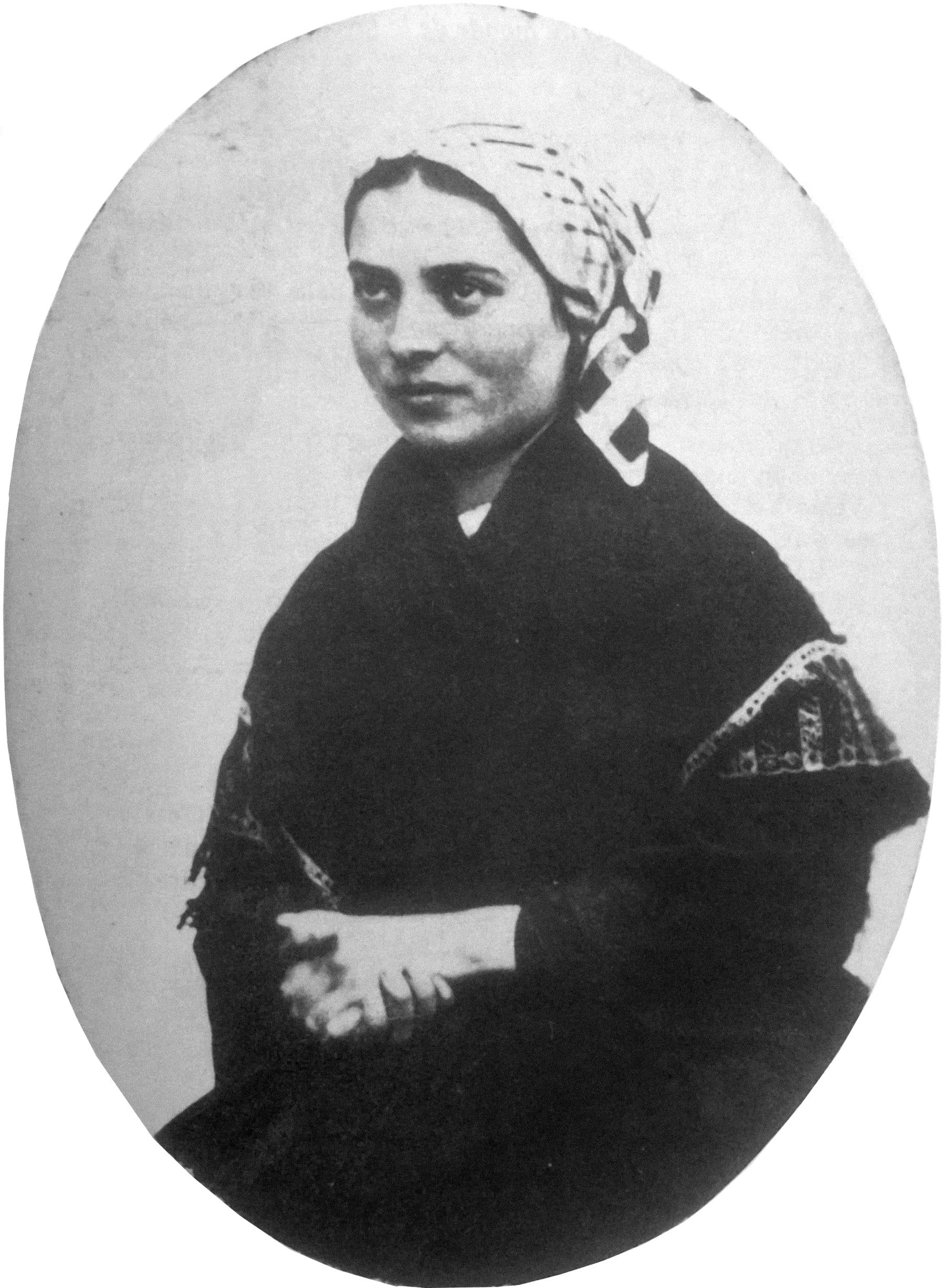
An 1863 studio portrait of St Bernadette Soubirous, the visionary of Lourdes, seated in plain peasant clothing with a headscarf.
Explained

In 1858, a 14-year-old French girl reported 18 apparitions of 'a Lady' in a grotto near Lourdes, where a spring emerged that has since been associated with thousands of reported miraculous cures.

apparition·Grotto of Massabielle, Lourdes, Hautes-Pyrénées, France

Our Lady of Lourdes (Bernadette Soubirous)

Unproven

Since June 1981, six youths (now adults) in the village of Medjugorje, Bosnia-Herzegovina, have claimed ongoing daily Marian apparitions, making it one of the longest-running and most controversial alleged apparition cases in Catholic history.

apparition·Medjugorje, Bosnia and Herzegovina

Our Lady of Medjugorje (Ongoing Alleged Apparitions)

Unproven

From 1973 to 1981 in Akita, Japan, a wooden statue of Mary in a convent reportedly wept, bled, and perspired on 101 occasions, with fluids analyzed by a forensic specialist as human in origin.

apparition·Institute of the Handmaids of the Eucharist, Akita, Japan

Our Lady of Akita (Weeping and Bleeding Statue)

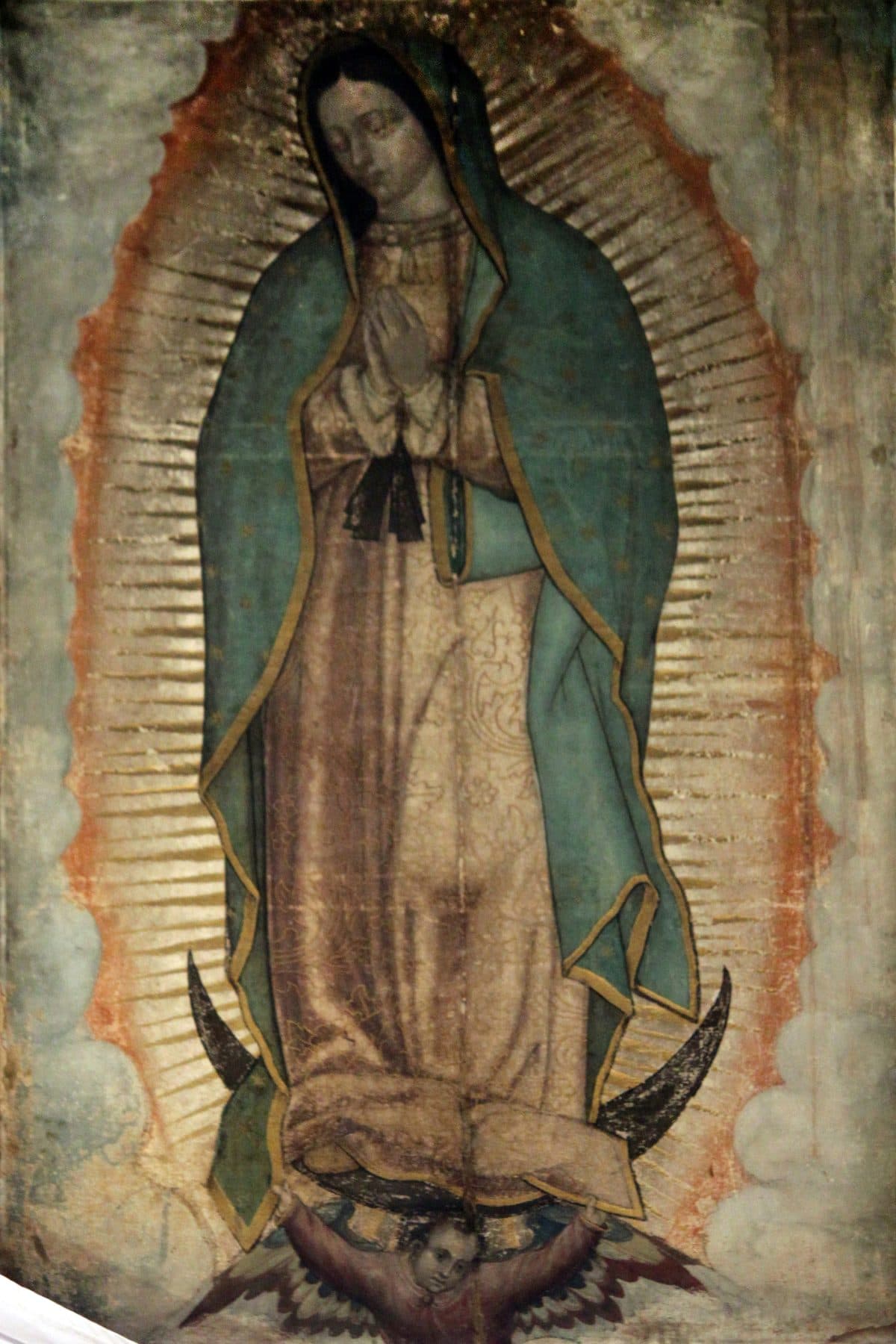
The image of Our Lady of Guadalupe on the tilma of Juan Diego, the venerated cloak preserved at the Basilica of Guadalupe in Mexico City
Unproven

In 1531, a Marian image allegedly appeared miraculously on the cloak of indigenous convert Juan Diego in Mexico City, producing an artifact still venerated nearly 500 years later.

apparition·Tepeyac Hill, Mexico City, Mexico

Our Lady of Guadalupe (The Tilma of Juan Diego)

Disproven

A subset of Guadalupan claims holds that magnified examination of the tilma image's eyes reveals a reflected scene of thirteen or more identifiable people — evidence of a supernaturally accurate image that would have required a living eye to produce.

apparition·Basilica of Our Lady of Guadalupe, Mexico City, Mexico

The Tilma's Eyes: Reflected Figures Claim

Explained

Beginning in 1981, several students at a school in Kibeho, Rwanda, reported Marian apparitions that included visions of mass violence and rivers of blood — interpreted after the 1994 Rwandan genocide as prophetic.

apparition·Kibeho, Gikongoro Province, Rwanda

Our Lady of Kibeho

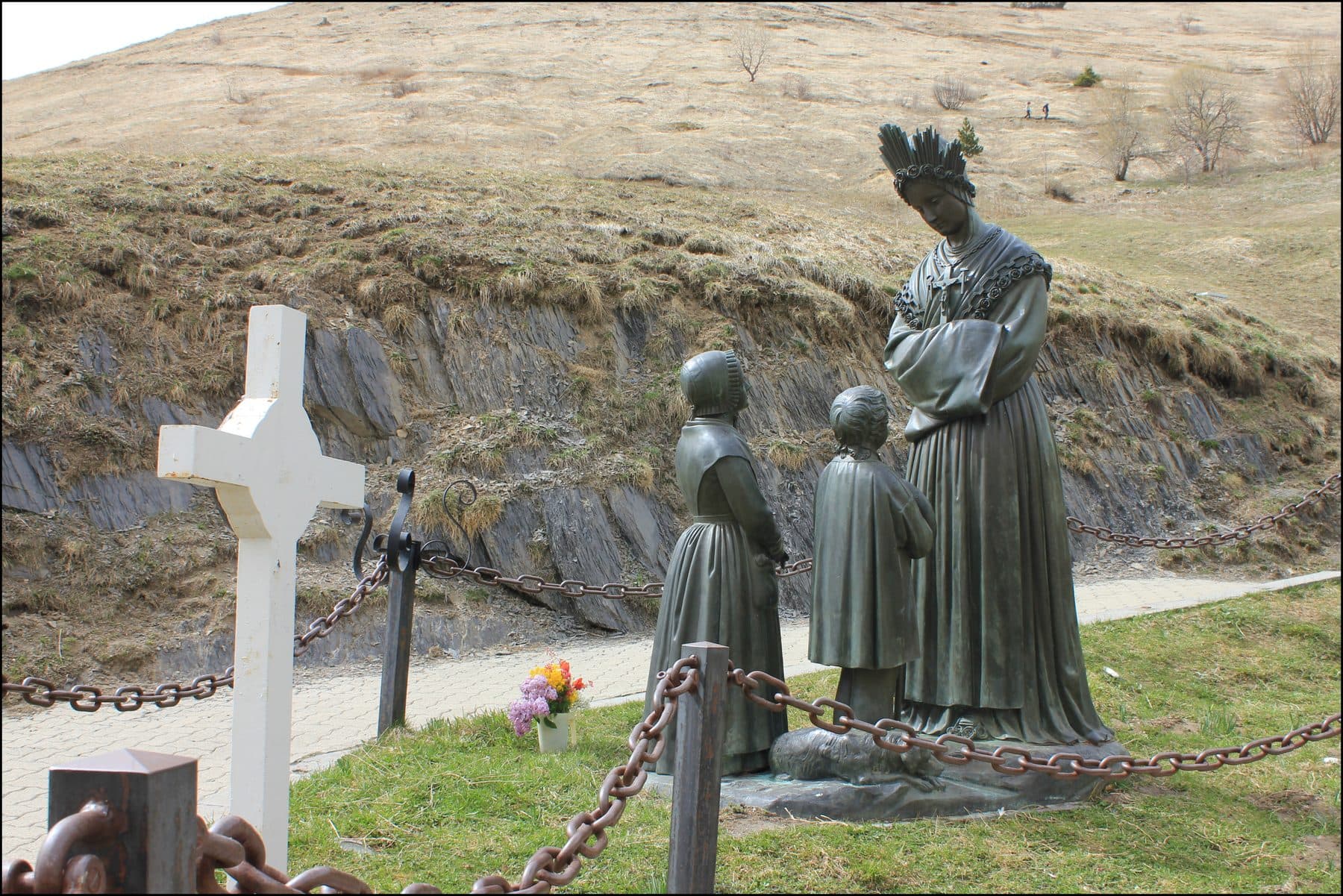
The bronze statue group at the La Salette apparition site in the French Alps: the weeping Virgin Mary addressing the two shepherd children, with a white cross alongside.
Explained

On September 19, 1846, two young French shepherd children reported a weeping apparition on a mountain near La Salette who delivered a message of penance; the event was approved by the Church in 1851 but subsequently complicated by the visionaries' divergent later claims.

apparition·La Salette-Fallavaux, Isère, France

Our Lady of La Salette

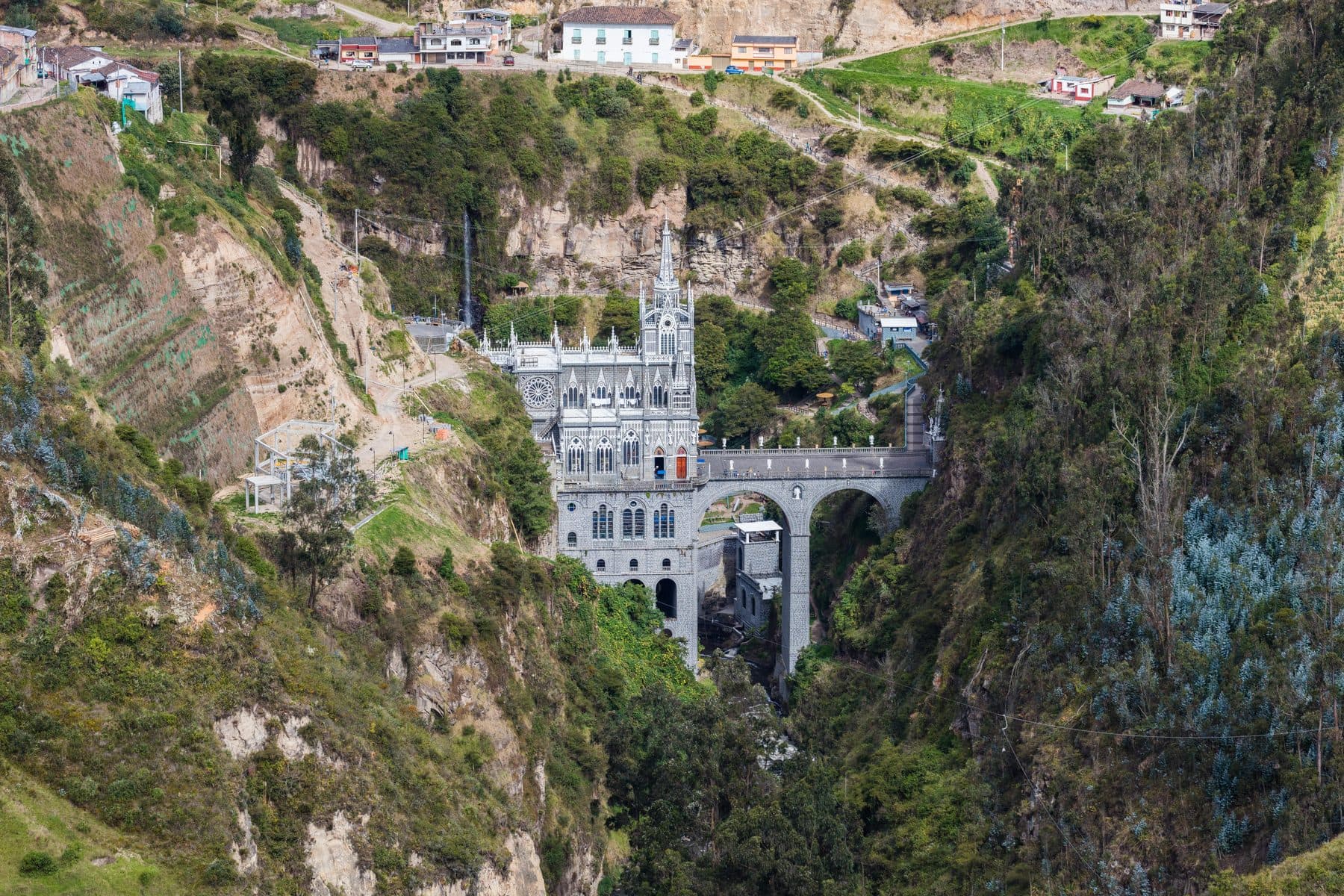
The Las Lajas Sanctuary, a neo-Gothic basilica built into a river gorge near Ipiales, Colombia, home of the image said to have appeared on the rock in 1754
Unproven

A devotional image of the Virgin Mary is embedded in a rock face in the Guaitara River canyon in Colombia, reportedly appearing miraculously in 1754; geological analysis claims the pigment penetrates meters into the stone.

apparition·Guaitara River Canyon, near Ipiales, Nariño, Colombia

Our Lady of Las Lajas (Miraculous Image in Stone)

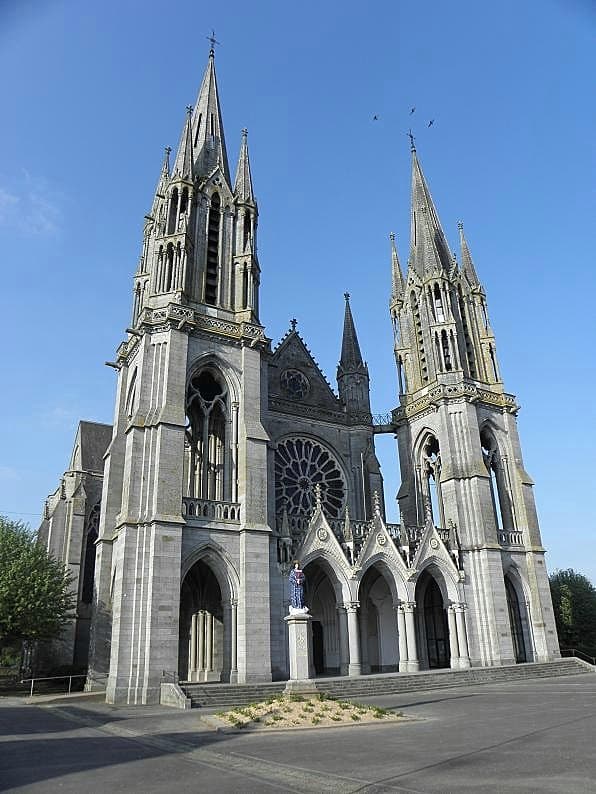
Exterior of the twin-spired neo-Gothic Basilica of Our Lady of Pontmain, Mayenne, France, built at the site of the 1871 Marian apparition.
Unproven

On January 17, 1871, four children in the French village of Pontmain reported seeing an apparition of a tall woman in the night sky surrounded by stars; adults present saw only a bright star, and a ceasefire followed within days.

apparition·Pontmain, Mayenne, France

Our Lady of Pontmain

Orthodox Christian

3 cases

Jewish

1 case

Hindu

1 case

Secular & no tradition

2 cases

Other & unaffiliated

2 cases