Collection
The Legends Shelf
Where the story outlived the evidence. Pre-1900 claims whose documentary trail is too thin to assess — no contemporaneous records, no named witnesses, accounts written generations later. They are kept as stories, not verdicts: the shelf itself is the label.
13 claims
Exodus 7-12 recounts ten plagues — water to blood, frogs, gnats, flies, livestock pestilence, boils, hail, locusts, darkness, and the death of the firstborn — by which the God of Israel compels Pharaoh to free the Hebrews. Some scholars propose a natural "ecological cascade" (a red Nile bloom triggering a chain of frogs, insects, and disease) or a Santorini/Thera eruption for the later plagues; others read the narrative chiefly as theology — a deliberate polemic showing Yahweh's supremacy over Egypt's gods. No Egyptian record corroborates the events, which tradition places in Egypt's New Kingdom period. Partial natural cascades are plausible for several plagues, but the full sequence as told, and its historicity, remain genuinely uncertain.
The Ten Plagues of Egypt
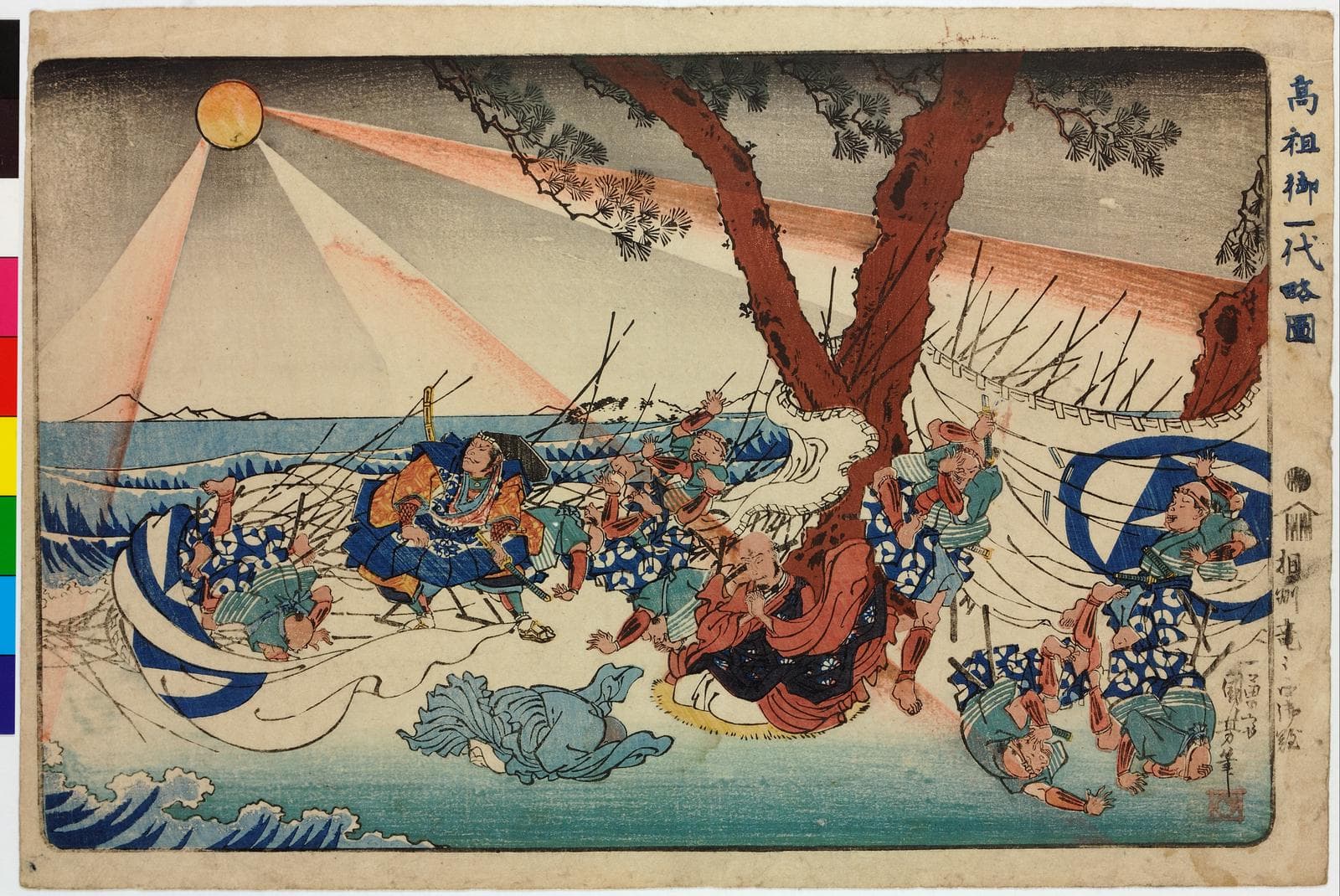
By his own account, the Buddhist teacher Nichiren was taken from Kamakura to the execution ground at Tatsunokuchi in the pre-dawn hours of the twelfth day of the ninth month of 1271, and as the beheading was about to proceed, 'a brilliant orb as bright as the moon' shot across the sky from the direction of Enoshima; the executioner fell blinded and the soldiers panicked. The execution never took place — Nichiren was exiled to Sado Island instead — and the scene became the dramatic center of his tradition, though no record of the night survives outside his own letters.
Nichiren at Tatsunokuchi — The Light Over the Execution Ground (1271)
Angela of Foligno, the 13th-century Franciscan tertiary and mystic, died in 1309; her body is kept in the Basilica of Santa Maria Assunta in Foligno, with incorruptibility claimed but no modern forensic verification available.
Angela of Foligno — Medieval Mystic, Questionable Preservation Claim
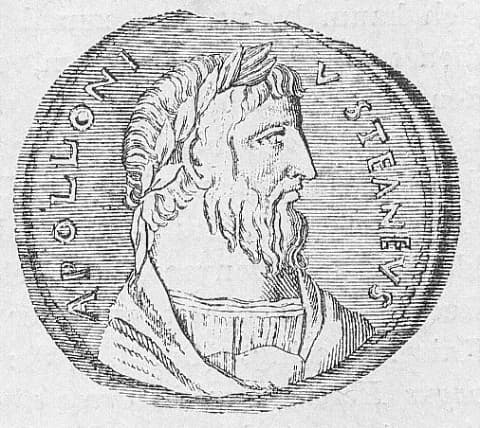
The 1st-century CE Pythagorean philosopher Apollonius of Tyana was credited with healings, exorcisms, prophecy, and a resurrection in a biography by Philostratus written c. 220-235 CE.
The Miracles of Apollonius of Tyana
Imelda Lambertini died in 1333 at age 11, reportedly from an ecstatic episode immediately after receiving her first Eucharist; her body was found incorrupt and is displayed in a wax effigy in Bologna, though independent scientific examination is lacking.
Blessed Imelda Lambertini — The Child Who Died at First Communion
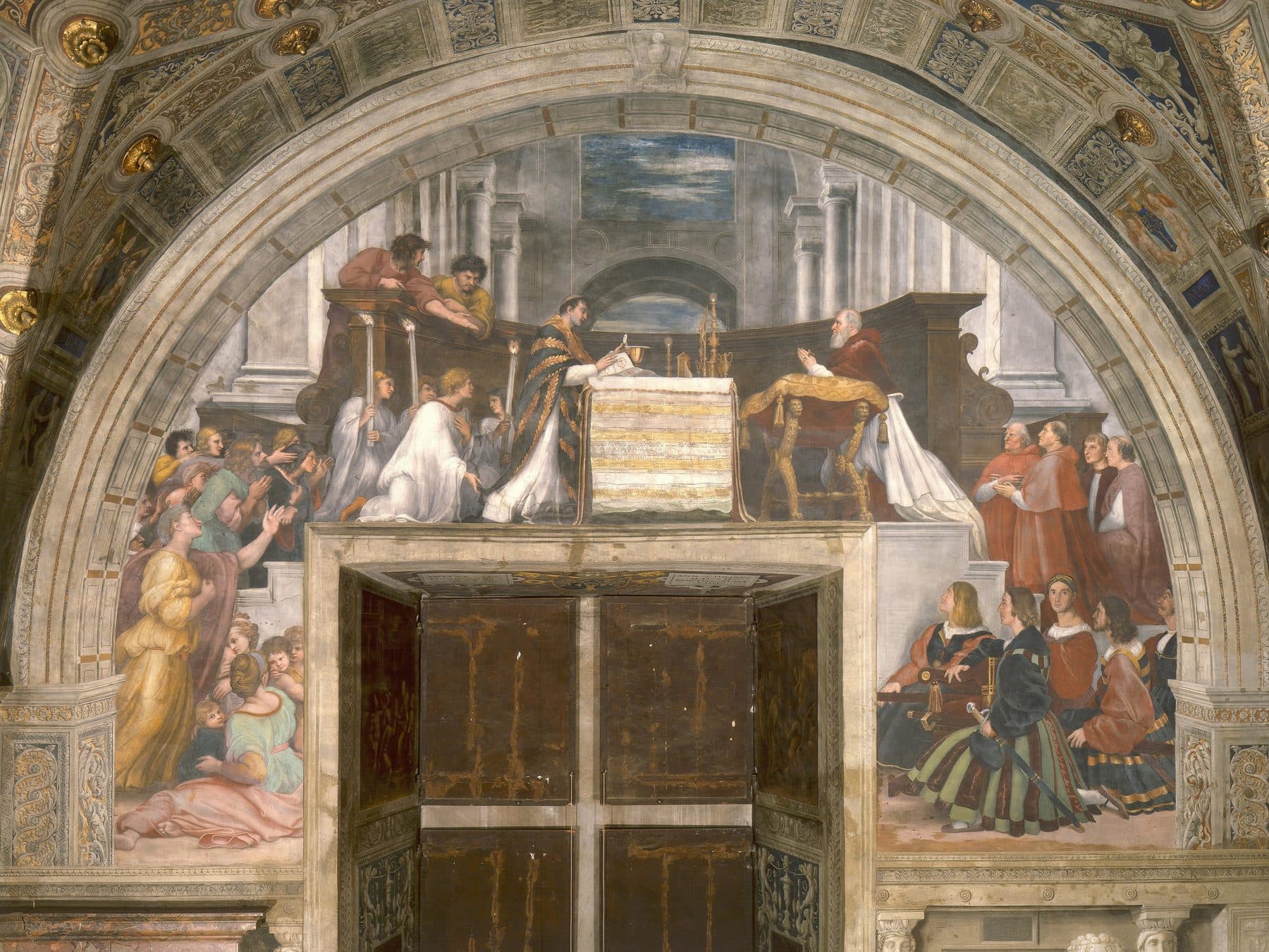
A German priest celebrating Mass in Bolsena reportedly experienced a bleeding host that stained the corporal linen; the event allegedly prompted Pope Urban IV to institute the Feast of Corpus Christi.
Eucharistic Miracle of Bolsena-Orvieto (1263)
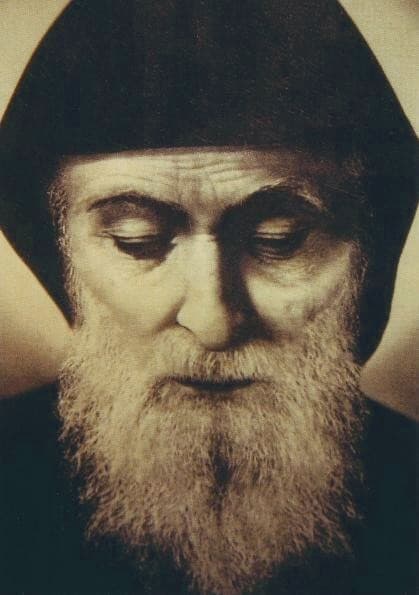
Lebanese Maronite monk Charbel Makhlouf died in 1898; his body was found incorrupt in a flooded grave in 1899 and reportedly exuded a blood-like fluid for 67 years until beatification in 1965, when it was found finally decomposed.
Charbel Makhlouf — The Fluid-Exuding Monk of Lebanon
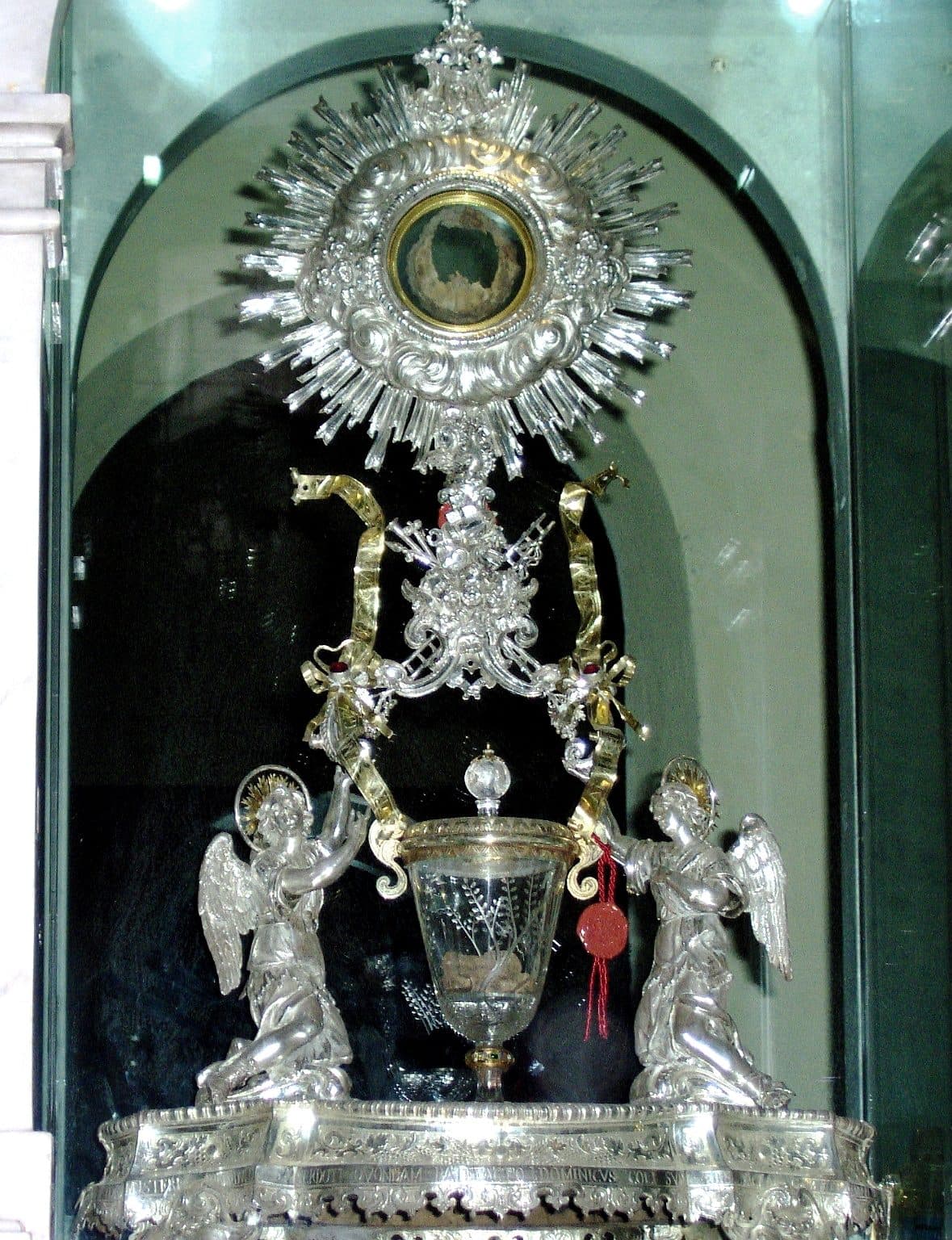
A relic said to date from the 8th century — when a host and wine reportedly became flesh and blood — was analyzed in 1971 and reported to be human heart muscle and blood.
The Eucharistic Miracle of Lanciano
Margaret of Cortona, a 13th-century penitent, died in 1297; her body has been displayed in the Basilica of Santa Margherita in Cortona for over 700 years and is described as incorrupt, though no modern independent forensic examination has been published.
Margaret of Cortona — 700 Years in a Crystal Reliquary
A subset of Guadalupan claims holds that magnified examination of the tilma image's eyes reveals a reflected scene of thirteen or more identifiable people — evidence of a supernaturally accurate image that would have required a living eye to produce.
The Tilma's Eyes: Reflected Figures Claim
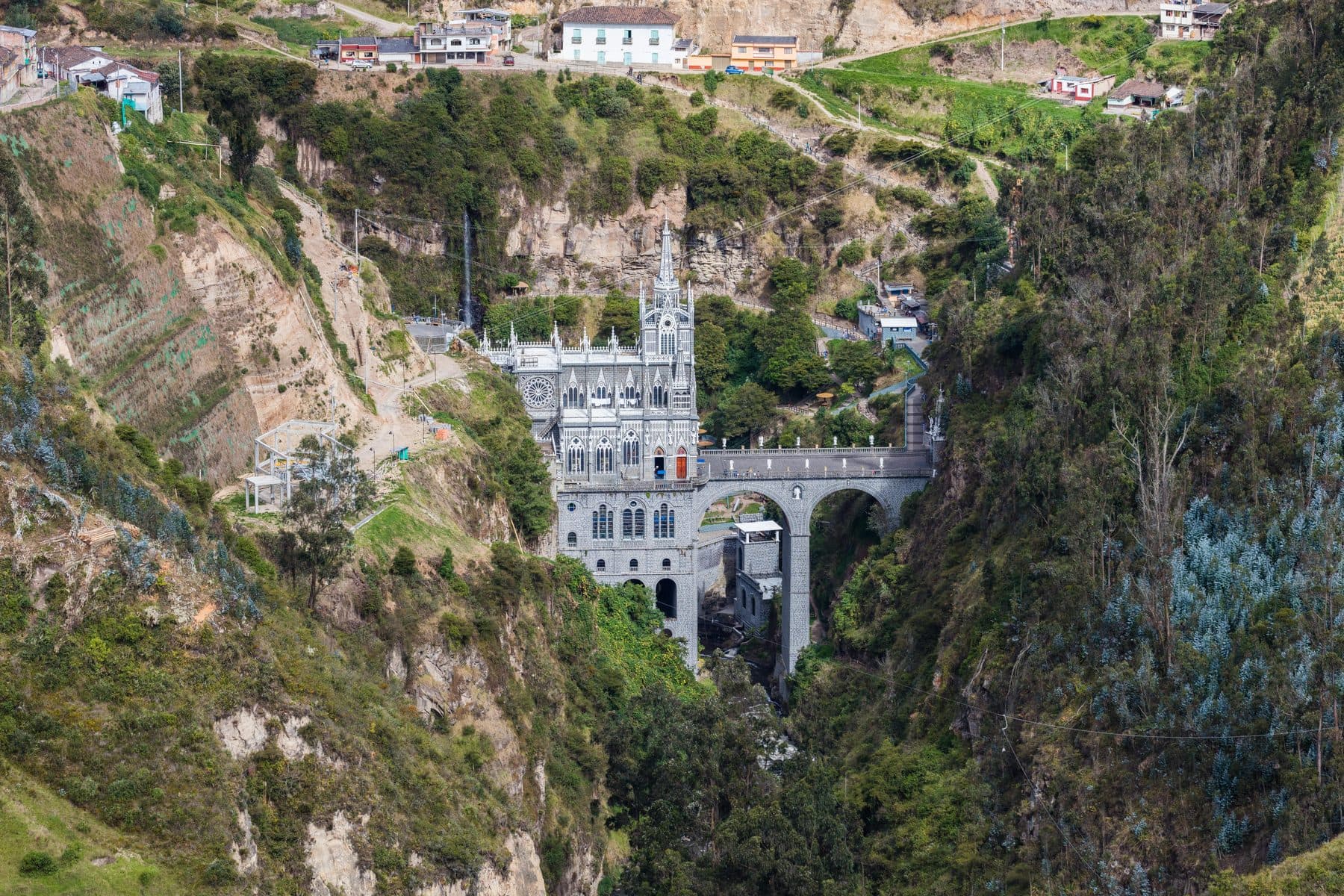
A devotional image of the Virgin Mary is embedded in a rock face in the Guaitara River canyon in Colombia, reportedly appearing miraculously in 1754; geological analysis claims the pigment penetrates meters into the stone.
Our Lady of Las Lajas (Miraculous Image in Stone)
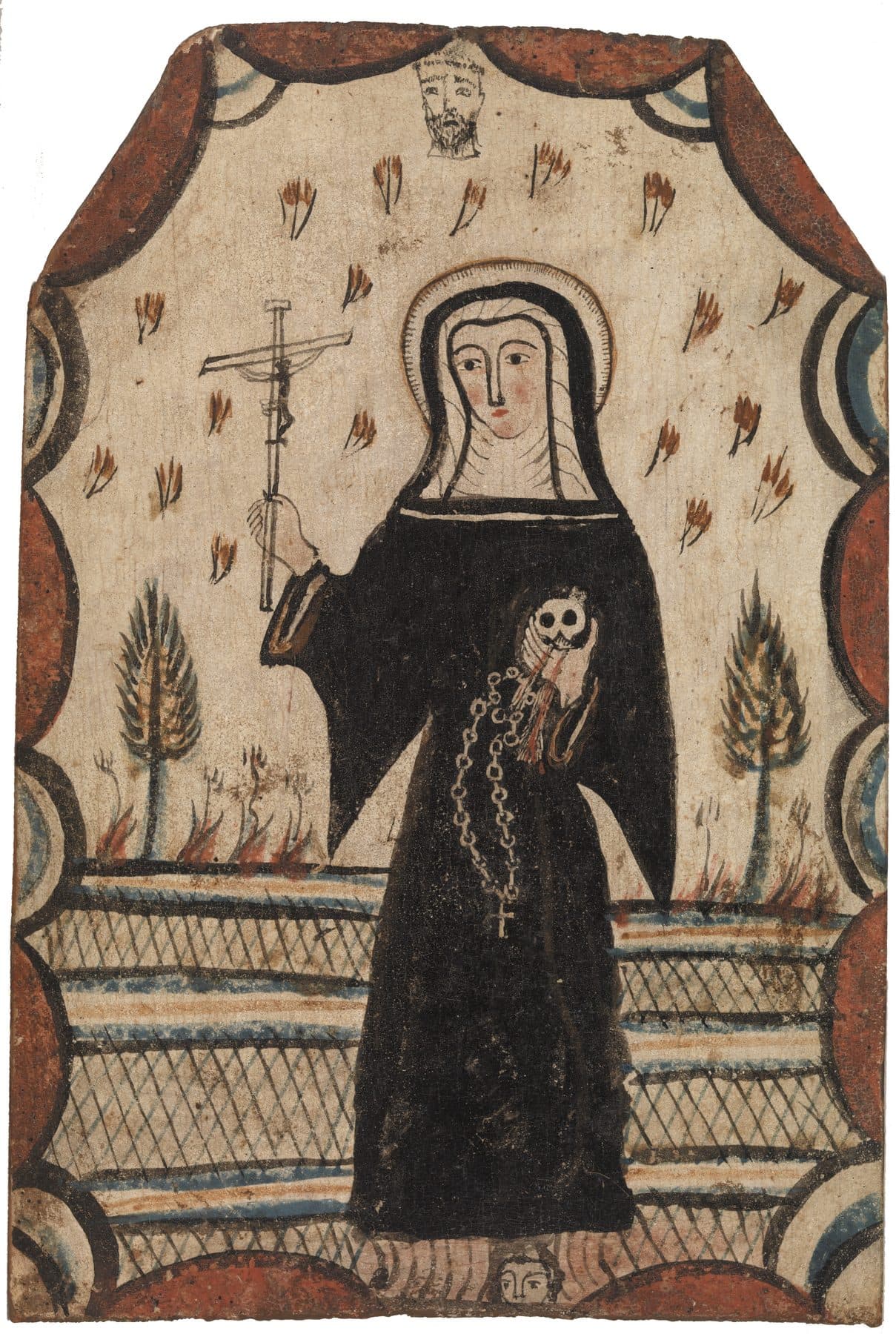
Rita of Cascia, patron of impossible causes, died in 1457; her body has been on display for nearly 600 years, with documented medical examinations in 1743 and 1892 noting repairs to the face using wax and string — indicating partial deterioration.
Saint Rita of Cascia — Six Centuries of Wax-Repaired Preservation
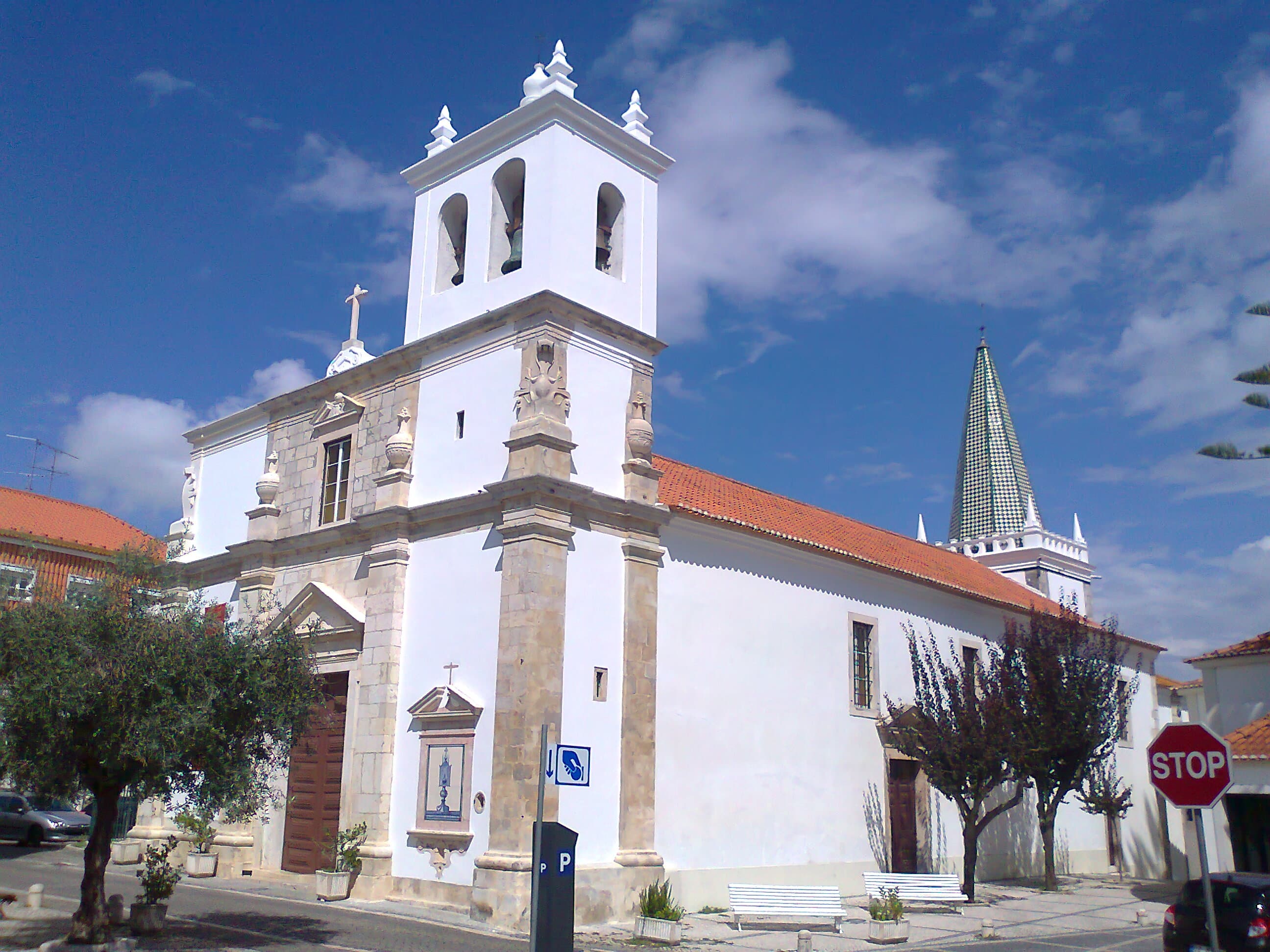
A 13th-century account describes a consecrated host stolen for a sorceress beginning to bleed, leading to its veneration in Santarém, Portugal, where it is still displayed in a crystal reliquary.