What it is
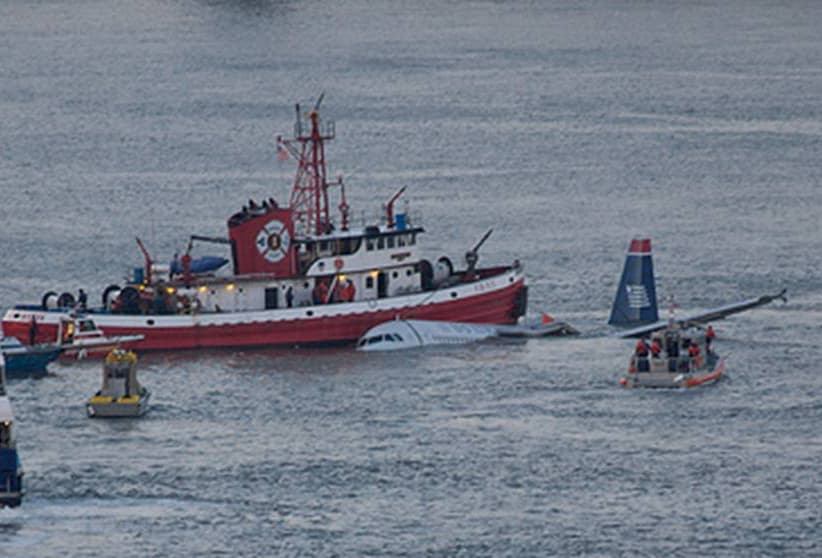
Many of the most moving claims here are not about a law of nature being broken. A pilot lands a powerless jet on a river and everyone lives; a hostage rescue goes exactly to plan; a body pulled from deep cold is restarted hours later; a wind holds back shallow water long enough to cross. The supernatural reading is that providence arranged the outcome. The natural rival is plainer: ordinary capability and ordinary physics, operating at the very edge of what they can do.
This is the characteristic rival to “extraordinary providence” cases — the ones where nothing physically impossible happened, but the timing, the convergence, or the survival feels arranged. The honest question is not “did nature break?” (it didn’t) but “does trained skill plus physical law fully account for what happened?”
How it actually works
Three engines do most of the work. First, trained capability: a crew drilled on engine-out procedures, a unit that rehearsed an assault to the minute, a clinician who has rewarmed a frozen patient before — expertise makes the once-impossible routine for the people who hold it. Second, prepared systems: the river traffic, the medical chain, the rescue protocol already standing by, so a response that looks miraculous was in fact waiting to happen. Third, physical law at its limits: deep hypothermia that slows the brain’s oxygen demand enough to extend the window for resuscitation when the medical chain is waiting, a sustained wind that can measurably lower shallow water (for believers, the timing of that wind is not the mechanism but the message), restraints and crumpling structure that absorb a fall, ambient cold and dryness that slow a body’s decay (some such cases are still under active investigation).
None of these is magic, and none is mere luck — that is what separates this rival from coincidence. The outcome was not drawn from a vast denominator of tries; where it succeeded, it was produced by people and forces doing what they are built to do — and where it did not, the dead belong to the record too.
What it explains well — and where it stops
It explains the survival, the rescue, the crossing — the physical how of an event that no law of nature forbids. Where the documentation shows trained people and known forces fully accounting for the result, the miracle reading on the mechanism side falls close to zero: this is precisely how nature behaves under pressure. And where one event produced both survival and death — the same aircraft, the same raid — the rival explains who survived without explaining the selection, a limit that is part of the honest record.
Where it stops is the timing. Skill explains that the pilot could land the plane; it does not, by itself, explain why the one survivor changed seats, or why help was already in the water. For these Mode-B cases the genuine question was never whether nature was suspended — it wasn’t — but whether the convergence was providential. That is a question about meaning, not mechanism, and a documented skill or a measured wind leaves it open rather than closing it. We grade the mechanism honestly and let the timing stay the open, unfalsifiable thing it is.
How this rival is scored here
A strong skill-or-physics rival pulls the miracle reading toward “Explained” on the mechanism side — these events break no natural law. But unlike a hoax or a misread, it rarely drives the verdict to zero, because the providential-timing question it cannot settle is the very thing these claims are really about.
How we rate →